Today’s guest is Joe Hills, an expert game marketer, ex-Blizzard, Supercell, Meta, Riot, and now Head of Gaming & Partnerships at Once Upon a Time. Also newly joined the Advisory Board for Great Ormond Street Hospital.
We break down why studios obsess over launch day, how long you should actually market a game, why gut instinct vs data is misunderstood, and what indie devs consistently get wrong. Joe explains how to find your audience, build long-term hype, create content players genuinely care about, and avoid the traps that kill campaigns before launch.
If you’re an indie or AA studio trying to stand out in a brutal market, this episode is for you.
Connect with Joe:
LinkedIn:  / joe-hills
Website: https://www.onceuponatime.agency/
Connect with Harry:
LinkedIn: / hphokou
YouTube:  / @hphokou
Instagram:  / hphokou
Get exclusive podcast recaps & industry insights: → Subscribe to The Gaming Playbook Weekly at thegamingplaybook.com
Chapters:
00:00 Intro
02:40 Why Studios Obsess Over Launch Day
03:35 What Studios Misunderstand About Marketing
05:00 What Every Indie Developer Should Know
07:14 Launch Timing, GTA6, and Market Windows
09:16 Joe’s Gaming Preferences
12:46 Social Games, Roguelikes & Replayability
15:42 What Joe’s Agency Actually Does
17:35 How Devs Should Think About Clippable Moments
19:20 Tools That Help Identify Your Audience
22:59 How to Brief an Agency Properly
25:44 How to Choose (and Evaluate) a Marketing Agency
29:49 When Marketing Fails: Is It You or the Agency?
33:12 Leadership, Hiring, and Hard Lessons
36:33 Surviving Layoffs & Career Advice
41:12 The Biggest Mistake Studios Make in Marketing
43:52 Mojang, Dev Diaries & The Power of Human Stories
46:41 How to Reach Joe & Closing Thoughts
Let’s say you’re talking with an indie developer. What do you wish like every indie developer would know when it comes
to marketing a game? One of the most important ways for you to build fandom or hype around your game
is obviously to have a good product. But it’s to have people empathize with the story that you’re trying to tell. People
buy people. They buy into human stories. Today I’m joined by a marketing strategist who spent over a decade in
the games industry. Joe has worked with esport giants like Optic Gaming, global platforms like Meta and Riot Games and
big studios like Blizzard and Supercell. And now he’s head of gaming and partnership at Once Upon a Time, a
creative agency helping studios cut through the noise. At some point, you’re going to run out of cash. So, you need to launch, but I’m guessing we all would
wish we do a little more marketing, a little more development, but at some point you need to pick a day and then go for it.
There’s this kind of obsession with Q4. you’re trying to hit festive buying periods. And I think that a lot of that is institutionalized from when the
industry was more reliant on physical copies. Hell divers and a couple of others have really done well by looking
at late Jan, early February as a really quiet time. We talk about what effectiveness in games marketing actually means, why
launches are backwards, and how to balance data with gut instinct to create work that moves the needle
for dev cycles of multiple years, which is super common. If you’re trying to ride a trend that was really popular
three or four years ago and then then your game comes out, the market will have moved. So there’s a big roll of the
dice and risk for chasing trends when you can’t keep up with where the attention is.
From Dallas to London, esports to agency and now an advisory board member at Great Ormond Street Hospital. This is
the games marketing playbook with Joe Hill.
Joe, welcome to the show. Thank you for having me. Very nice to be here. very excited for this
conversation. So, you’ve been at Blizzard, Supercell, Meta, Riot Games,
also even been a head hunter for Optic Games, esports back in the day. And now you’re a very interesting business,
which it’s I’ve got a marketing service agency, but you’re like kind of the big
full service agent. I was like, how do they actually work once you get to that scale? But you I feel like you’ve been in so many different places answering
kind of the same issue. So, yeah, really excited to get into today’s chat. So everyone for everyone at home games
marketing effectiveness we’ll be covering three things kind of like how long should we market and why second
thing is kind of gut instinct versus data they both have a place but how do we manage it and then how do we actually get creative on a repeatable basis
without it kind of like hoping for it to happen so I want to start Joe with kind of why do you think there’s this
obsession with like launch day and I feel like studios are missing the
bigger picture like you were saying before we started recording how like people underestimate how long they can
market. So I want to ask why do people obsess over launch day? Well, I think a lot of the time a games
companies if they’re if they’re larger will feel a lot of pressure with regards to their own run rate or investor
expectations on when that big influx of new revenue is going to hit um hit the
annual report. Smaller studios don’t have a lot of budget either. So, it’s always kind of an opportunity cost of if
we don’t go now, when will we and will we have some time to finish? Um, you’re
kind of looking at the state of gamers funding as well in the space at the moment. Uh, there’s just not a lot of
uh proactive um investment out there at the moment. So, it is quite quite
challenging. There’s a lot of pressure in a a very demanding market. So, curious when you worked at these
different companies, right? So, you’ve worked at Supercell, worked at Blizzard. I’m guessing all of these studios
approach marketing differently. What do you find is like a big misconception every time you join into a new studio,
like people don’t actually understand like what’s happening behind the scenes when it comes to marketing?
Yeah, I mean, in the size and scope of businesses that I’ve worked in, um, the cultures have been completely different.
So, Supercell and how uh Blizzard will approach bringing a game to market will
be completely different. Um, an esports org will market itself in in a
completely different way as well. Um, so there are lots of factors that come into it. Um, if you’re working in a AAA
environment, it’s you’re not just trying to speak to your core audience that you’ve already identified through
research and maybe it’s a pre-existing franchise. you’re going out to a variety audience that might be closer to some of
the themes of your games. You’re you’re trying to crack it to mass market. So then the attention game is not just
against other games that have released. It’s against film. It’s against entertainment. It’s about people’s time
spent on their phone. Um so those are a completely different set of challenges to smaller indie teams that are just
trying to get some form of of attention with their with the hardest of hardcore audience. So um yeah. So touching on
that like like marketing launch day, right? So let’s role play. Like I’m
thinking in today’s market, I’m bootstrapping, right? I have x amount of money. I want to launch my game. And you
raised an interesting point. I wanted to ask you on it. Like at some point you’re going to run out of cash. So you need to
launch at some time. But I’m guessing we all would wish we do a little more marketing, a little more development,
but at some point you need to pick a day, then go for it. Um like let’s say you’re talking with an indie developer
or like the indie developers that you have spoken to like what do you wish like every indie developer would know
when it comes to kind of marketing a game? Yeah, I think um one of the most
important ways for you to build fandom or hype around your game is obviously to
have a good product, but it’s to have people empathize with the story that you’re trying to tell. So people buy
people. They buy into human stories. It’s why people listen to podcasts. It’s why people love kind of BTS videos or
dev diaries. I think what Baldersgate 3 did really well was putting their voice talent kind of front and center and
letting their huge fandom and uh creative abilities kind of speak for for
the team as a whole. Um, for indie studios specifically, um, if you’re going into early access,
obviously you’re going to have a longer time in market. Um, so you might be you
might have a playable version of the game um, out there for over a year. Um,
maintaining the engagement, having new content either in game or out of game
through um, through pieces of content that are going to tell your story, I
think it’s really important. Um, also trying to look at from a paid media perspective, when are some of the
quieter moments that you can try to get a share of voice in is going to be it’s going to be key as well. Quieter moments.
Well, I think you’re for next year it’s whenever
GTA is not going to be and and you’ve seen some really kind of interesting shifts with people realizing it and now
there’s a a more of an open goal at the end of this year. So, some people are trying to rush through. It’s funny because like
some launches. Yeah. for like um for people listening right um GTA 6 was
scheduled already for this year and I understand a lot of million dollar decisions were made about the fact that
that’s happening so like the launch date changed and then GTA 6 was like oh actually next year and then everyone’s like oh [ __ ]
but could that happen again next year I doubt it because it’s a big move but like is that something where everyone
should actually like are you doing that with your clients right now like okay we have GTA 6 window and non GTA 6 window.
Is that a decision people should make? I mean, I think some of the larger franchises have definitely um tried to
get out of the way of that because from like a culture bomb perspective, a GTA
will be the biggest entertainment moment of of the last 10 years. I mean, I’ve spent reportedly over a billion in in
gamedev and the largest studios themselves will normally spend the same they will on marketing as they will for
gamedev themselves. So, it’s going to be inescapable as a cultural moment. Um,
but for smaller studios, I actually think um there’s this kind of obsession with Q4. You know, you’re trying to hit
um festive buying periods. And I think that a lot of that is um maybe institutionalized from when the industry
was more reliant on physical copies. Um, you’ve if you’ve seen Hell Divers, which
I wouldn’t call an an indie game, but Hell Divers um and a couple of others
have really done well by looking at late Jan, early February as a really quiet
time where a lot of other franchises are are asleep and there’s still avid
players even on PC, console, and mobile that are still looking for something new to play. Um, so I think being a little
bit selective and uh extending that if you can so that you’re you’re giving
yourself the best bet because you can only spend the money once, right? Um, so make it work harder for you and then
there are some tactical things like media slots will will be cheaper outside of Q4 and other areas as well. So yeah.
Cool. Want to zoom out for a second, Joe? So you’ve been marketing games for
5 10 years, right? So, like I’m sure things that have happened 10 years ago versus 5 years ago versus now is
completely different. And I was curious like what’s your gaming habits right now? Cuz this became a debate on every
podcast I’ve done. It’s like I’m like the worst type of gamer where if a game’s too good, I won’t play it cuz I have no time. And I’m also I would
pretty much only play if it’s on mobile and also rogue light cuz otherwise I feel like I’m not doing any work. And
then if I’m ever doing any game that isn’t that it needs to be social otherwise what’s the point? And then I’m
like, okay, wait a minute. like the amount of games that are left is pretty much the big platform games at least for me or like this indie rogike. I’m
wondering like what do you do you play games? Are you playing much right now? Yeah. Yeah. Yeah. I’ve been um I’ve been
um I’ve been playing far too much for far too long. Um so I grew up um in a
small family with no brothers or sisters. So um multiplayer games from a community and from a competition
standpoint uh were a place where I found um found my people. And then the kind of
immersive story and single player games like Metal Gear Solid 2 were some of the
formative experience for me with games as a medium. Um where you could have
some agency in the story like I think only books and maybe chess is the sort of entertainment where you have a choice
in the story because you’re making the picture in your mind with with books. But u when it comes to streaming or
YouTube or doom scrolling, it’s a passive brainoff experience. Um
I spent the first half of my career in esports. Um wasn’t necessarily marketing the games. It was more kind of marketing
the players that were playing the games and and trying to build a commercial proposition around those teams. Um or
those leagues where the players were were playing. Um and back then I was I I was all about the kind of big platform
games. So, I’ve got I don’t know 2,000 plus hours in League. The same in in Dota. I don’t know why I’ve played both,
but I did the CS. That’s probably unique. I haven’t heard that before. Yeah, I I uh started off in League and
then went to Dota cuz I realized that it is frankly a superior title. Um, sorry everyone. Um, and then was kind of huge
into FPS um into FPS games as well. So, CS GO and a bunch of others. Um but
nowadays as what happens as you get a bit older and you have less time um and
your time is taken up with a small puppy and and and
other things. Um I I I find that I’m in a really unique spot at the moment where I’m playing more games but for shorter
time. So I’ve got a couple of rogue likes like you. So loved the launch of Nine Kings by Hooded Horse. um earlier
on this year. Was absolutely obsessed with that. Um playing Mecca Bellum, which is like a um a turnbased
grid strategy game um by Dream Haven. And then I kind of flex between a couple
of games of Hunt Showdown, a couple of games of Undisputed, which is the box the boxing title made by Still City
Interactive. Um and then whatever my mates will play as well. So absolutely agree with you. It’s the stuff that’s
going to engage me for shorter sessions now and then if I can play
socially with people because that it just becomes like a a backdrop for just
memeing with your friends basically. Joe, you mentioned something there where you have the fact that like players are
changing. I feel anyway I see this anecdotally but like I also see it on
the outside if we ignore mobile for a second like the games that are doing well tend to be an Among Us something
that’s really streamable or social or for me a rogike where you can speedrun it or there’s like a leaderboard of some
kind and you can’t necessarily finish the game and then you have the platform games. I’m wondering how are you seeing
this in marketing now? Because if you market a game saying it’s got hundreds of hours of content and it’s got all of
this, all of that, but it doesn’t have the social aspect or it’s not really streamable, then I don’t see how that
game can be marketed in today’s world. I don’t know if you’ve seen that in like a marketing campaign that’s doing well
versus a game that didn’t do well because of the marketing. Have you seen anything like that where you think is a good example?
Yeah, I mean I think it’s hard to make broader trend
points about why people play what they play because there are so many different games and so many different players that
people play for a whole bunch of different motivational reasons. Um the kind of underpinning for us whenever we
go into audience strategy or or go to market work is we try to identify what the player motivations would be when
they’re kind of associated with that game to start off with. So, for a more competitive title, you’ve got mastery,
you’ve got competition. Um, for story player games, you’ve got immersion. Um,
and kind of self-actualization with the power of fantasy. Um, increasingly, um,
there are more cozy games, uh, which I see a lot of discussion around is a
cozier genre and why is it not on Steam? Because there are relaxing games and all kinds of different stuff within
that. category. Um, but people play for a whole bunch of
different reasons. I play different games at at different times of the day based on what I need. Um, a lot of
people I know kind of read read different books based on like they’ll have multiple books in rotation based on
what they need out of it at the moment. Um, but I think we definitely saw from COVID um there was a huge kind of boom
of the four player social game where you’re live reacting with VOIPE. Um, and
you see it again with Peak recently. Um, absolutely smashing it at such an accessible kind of price point. The
simplicity farmy of clips of people kind of leaping to grab their friend’s hand and falling
to their deaths. Um, it was I think in terms of the reality of those games like
that feature is never going to go away. Um, as something that’s going to drive a
lot of traction. Um, but you’re mainly seeing a lot of kind of mixing on on themes as well. So rogue
likes for example, lots of different genres are kind of mixing into that just with like a a larger replayability loop.
So when you’re looking at your clients, I wonder could you quickly
explain like what because you mentioned before the podcast like um what once does right it’s full service agency like
what does your actual dayto-day look like? Just a quick 60-second just so people can understand. Yeah. So Once Upon Time is a full
service strategic agency for games. So kind of USP for us is a big planning and
strategy toolkit that we’ve built um that kind of addresses
questions that game devs might have. So we’ll go from a top down perspective where we’ll go from market segmentation
data. We’ll go kind of bottom up from the community insights and then we’ll go from the side with some AI tools that
will look at trailers. We’ll look at storefronts. We’ll look at um uh key art
and say what’s standing out from those pieces of creative. So essentially whenever we’re looking at how can we
make our budget go further for a launch um how can we drive a more like effective partnerships pipeline is one
of the things that we’re working a lot on at the moment or how can we find our audience. That’s the general process
that we go through. Um and for frankly like the licenses for these tours are
quite expensive. So we kind of democratize access out to smaller studios by having them in house and then
the strategy work normally brings some really interesting recommendations for us for the marketing campaign and
hopefully we get to work with the studios um when it comes to the creative work as well. So um yeah that’s the
general kind of USB and we work across indies and um and larger studios as
well. Just to give you a sample of some of the clients that we work with is PlayStation, Team 17,
um, Five Live Studios out of Australia, Blumbhouse Games, um, the film studio
known for so many awesome horror films, um, and and a bunch of others as well.
So, if you allow me, I’d like to roleplay an indie developer because you’re mentioning
Yeah. because you said like there’s interesting strategies coming out and I’m thinking for the person listening to this, right? they want to market their
game better or know how marketing works in general. So when you say you have tools and those tools help you recommend
different strategies in marketing, I’m just coming back to what you said earlier about like Peak has
a built-in I guess phenomenon with the game is that it allows for clipping. It allows for
social content. Um, is that something that the marketing team is supposed to be
thinking about or is that more the development side? Because I feel like when you identify that in a game, then
you want to like pour gasoline on it, but like in a paid manner. Like for example,
going on a bit of a tangent here, but like the peak thing, it’s kind of like it’s happening anyway,
but I know like Landfill Games specifically, they’ve done that on their previous games, right? It’s it all of their games have an element of ah
that’ll be a crazy funny clip somewhere. I’m wondering is that the marketing team’s jobs? Like okay, is this game
going to give us something that we can then turn into kind of more raw gameplay behind the scenes or whatnot? Like if
you’re an indie developer, when should you start thinking about that? Well, I think it’s a good question. I
don’t think you can force the like you can’t force an RPG to be like a a
multiplayer game with VO just because that’s what’s going to bang on social media. So like you have to be authentic
towards the kind of core of the story that you’re trying to tell. Um I I do think it’s more on the devs
because they should be leading like what the identity of that game should be. Um, and it’s probably marketing’s
responsibility to help with when it comes to product market fit to understand actually what we’re making at
the moment. Is that going to is that going to cut the mustards? Is that going to enough? So, that’s how we kind of use um some of
the tools that I mentioned these tools just go into a bit detail would be yeah it would be good cuz like if
someone’s high level like they haven’t heard of these tools, they don’t want to spend money right now like is there anything high level they can just keep
in mind? Yeah. So, um there’s kind of global audience surveys like GWI,
Yuggov, Nuzu, uh which you can kind of go after and we have a couple of those um that will
basically help you work out who, where, how many players are there around
specific genres and then what they’re passionate about. So, you can find overindexing points that you can start
to build into your marketing campaign. Um, so you, so you may from like a
partnership perspective, you may find that, I don’t know, um, for like an FPS game, um, a more hardcore FPS game like
a Hell Let Loose, there might be, unsurprisingly a a really strong
interest in in history, but also in audio content. So you can start to play
around with actually this gives us a really clear we in um for some of the
shoulder content we might want to include, some of the partner stuff that we might want to work with and how we can build some content that’s going to
be really authentic to our players. Um, for an indie studio, I think a lot of
smaller teams that are making a game, they don’t always necessarily have someone who has necessarily
a commercial head or a marketing soul. They might just be really passionate about what they’re trying to make. Um,
and that’s why you’re seeing there’s more agencies that are kind of helping with co-publishing these days. There’s a
lot more smaller publishers that are spinning out to kind of help on that journey. Um, and agencies like us can
also kind of plug in to to fill the gap when it comes to starting off from strategy. What do you really know about
your players and who who you think that your game is for? Are we able to kind of validate from a
source of truth who these people are, where we see the opportunity in terms of size and scale that then gives us a
sense of truth, mutual truth when we’re speaking with our clients that can then inform those kind of creative decisions.
So, there’s been a couple of projects recently where we started off getting a trailer brief. We just need X, Y, and Z
on this specific timeline. Please, can you do this for the amount of budget that we have? And then we work out if
that’s feasible. Then, uh, we say yes and and then we go from there. But, as we’re going into the trailer process,
we’ll do some audience work just to make sure that we’re on the same page as our client. That normally informs some
really interesting things with regards to social amplification. So you can look at what the cut downs will be from that
trailer, what are the other really quite lowhanging fruit things that you can um
that you can uh create around what your audience is interested in. And then it
kind of informs what you’d put some paid media behind afterwards. Um, I think a lot of marketing decision-m in games is
made on gut instinct based on we’re making an action RPG, we should target
Hades players, but a lot of the time if people are playing Hades already, they that’s one of the best games in the
category, why would they play yours that’s got like a third of the budget? Um, and you know, doesn’t have the same
name recognition value, right? So, you’ve got to find something different um and something unique to say um in
your campaign if you if you really want to cut through in my opinion. So, you mentioned a point there like the
trailer itself is kind of like that hero asset, but you’re saying you’re doing audience work and then finding
potentially in this trailer what could we have and be smaller pieces and then put like paid money behind that. Like
for me that’s something where I don’t imagine the developers thinking those
steps ahead but like should they I’m just trying to think like is this are they at the mercy of
the agency at this point like um I’m just really trying to
champion for the indie developer listening to this like what questions should they be asking maybe maybe that’s a good question here. So like what
question should an indie developer be asking their marketeteer their agency to get the most out of the project? Yeah.
Well, I would I would ask the question internally first so that you get on a on
a on the same page with your team like what is the game that we’re making? What
are the three core kind of gameplay pillars that we really believe are are core to this
experience and who and who and who do we think our players are? sticking to your rule of threes. These are like a three
three questions that you should be on the same page with in in your team that enable you to give a good brief.
An agency can then go and take those assumptions and those ambitions and validate those with with data in in our
position. And then when you’re going into the creative process um for a trailer, you can make sure that those
pillars are communicated. Ultimately, a trailer is
It’s a vibe test. It’s an eye test, but it’s also a a subconscious menu for what
players can buy into with your experience. So, for example, if you’re building um a trailer for a very cozy
title with furry animals where you can dress them up and you can craft and it’s very like wholesome. There are some
really interesting themes around kind of customize customization, relaxation, and almost mental health
around that kind of game title which you can play with. And the complete opposite will be if you’re working with a horror
title where you want to be driving as much suspense. You’ll use completely different music to make people as uncomfortable as possible. And normally
in a horror title, there’s mystery. So you you want to entice enough but without spoiling um without spoiling the
twist or something. So there’s a different challenges for different titles, but for smaller studios, I know
what you’re making. Who who do you think it’s for? And what are the three things that you’re trying to have in your game
that like are unique to you? And if you can start there, then you’ll be you’ll be off to a good start.
Cool. I want to take you back to when you worked kind of in industry instead of in
the service industry. I’m guessing you’ve worked with other agencies and whatnot and you probably work with some
good ones, some less good. I’m wondering how did you determine like who to work for? If you’re a developer and you don’t
have that marketeteer inhouse, the commercial head, then you’re kind of it’s a very big decision I feel like
choosing who you work with. So, how did you make that decision back then? Yeah. Um, with larger studios, it can so
with Blizzard it was more more complicated. We had some historical relationships and once the Microsoft
acquisition kind of went through there were some you know looking at the agencies that you have been using
locally versus what those global contracts will look like that’s just an entire kind of a different beast that
I’ll leave to the side. Um but I think evaluating an agency is exactly the same
as looking at a new game as a game scout as making a new contact on LinkedIn as
meeting someone in your personal life. you kind of go on reputation and you go on on vibe and then you go on
credentials as well. So leaning into good case studies
trying to reach out to people who might have worked with that agency before to actually see what the experience was
like. Um luckily gaming is a really small industry still despite the fact
that it’s kind of bigger than film, music and and TV combined. Um, so I
think you can get a pretty decent read on someone that you’re speaking to through going around and asking um quite
quickly. Um, one question that I would always ask and have had asked of me and
now I’ve been agency side is um, like everyone’s in the business of saying what they’re good at, but asking the
question, what aren’t you good at? I think can always throw throw people for a loop. I was actually in a client
meeting this week and someone asked me that and and was very very clear that we
work with a great partner um for PR which is plan of attack who’ve been in the space for 20 years. So for us
specifically PR isn’t something that we can help with um and we don’t manage any influencers specifically. So if you
that’s also in kind of plan of the tax wheelhouse. So if people can’t confidently answer the question around what they don’t do well and then they
might be spinning you for a yarn or or they might not just be uh the kind of
best um the best actors. So yeah, it’s similar to hiring someone I’d
imagine, right? Absolutely. Yeah. I mean, rolling the dice on a on a hire, um,
you’re like you you employ someone based on like three or four hours of interview experience and kind of looking at a CV
like it’s then you’re making a judgment, right? Yeah. And there’s there’s no and you have no idea what the kind of pros and
cons of that person are going to be when you work in stressful situations, when they’re challenged, when a client puts
them on the spot, or you have no idea of their propensity to completely surprise you in a brainstorm. um
or have some form of insight into a game that you’ve just never heard of. I I’ve got a really talented team um at once of
people that kind of live and breathe at the space and there’s quite a lot of
crossover in the games that we play, but it’s also they play completely different stuff. Um, so in a in a couple of
projects, we’ll be going into a genre that I’ve got no experience of, and there’ll be one person in the team who’s played 300
hours of a very similar title, and it’s just really helpful to lean on them, too. So,
um, yeah, it’s the same process. It’s it’s a it’s a roll of the dice, but I think you can mitigate that risk through
um looking for recommendations, seeing what the other kind of companies are that they work with and and have they
kept working with them as well. If you’ve got a bunch of like one-off projects um and people haven’t want
wanted to do more with them, then that’s might be a sign that things didn’t go
the best. Well, you can probably just ask them as well, right? It’s like, oh, why have they not come back? Yeah.
Then you can probably vibe a lot. I have a question here because I have a marketing agency and
we can’t control the outcome. We can control how good the trailer is, but then
what if in this universe you did everything right as a marketing agency, but it didn’t cut through, but as a
developer, I mean, how can I understand whether it’s the agency’s fault or not? And I
think this also ties back into having someone on your team. Like
if something isn’t performing, when do you quote unquote give up on that person or agency versus is that something that
we need to do and do differently? Because I feel like that’s something that comes up quite often in the games industry in life. But I found like when
it comes to marketing games, it’s such a high failure rate. How do you know they’re failing because it’s just like an execution problem or it’s just like a
it happens problem? I think when you look at founders of companies, you know, most people will
kind of fail multiple times in a row before they find something that hits. Um, we all fail more than well, we all
learn more from our failures than we do when we succeed in life. So, um, that’s
not really answering the question, but I think um, when it comes to is it an
agency uh, like is it the agency’s responsibility? Is it the marketing team’s responsibility? Is it the the
dev’s responsibility? There are going to be a lot of things you can’t control um based on what other games
come out at the same time. Um for for dev cycles of multiple years,
which is super common. If you’re trying to ride a trend that was really popular three or four years ago, and then then
your game comes out like a lot of this kind of battle royale extraction shooter stuff, um the the market will have
moved. Um, so there’s a big roll of the
dice and risk for chasing trends when you can’t keep up with where the
attention is. Um, I think this is why something like Rematch from from Kepler
is such a great example of people having a really clear vision of understanding the sports
genre. Football games have always been the same. It’s just been how can we replicate and make the experience as
real as possible. Um and that has led to it I think being quite stale over the years. It’s been super over monetized by
by the the major studios as well. A kept saw a huge opportunity based on the
success with Sefue. They believed in their ability to make a game that was
compelling from a a mechanical standpoint and they wanted to make a big bet themselves to do something completely different and make kind of
maximum 5v5 um mechanics heavy football game which
is you know a complete kind of left field option from them. Um so I think trying to do something unique that you
actually believe in ra rather than chasing trends is going to lead to you being more successful. But in terms of
like who takes responsibility for for um for if things are successful or not, you
need to have you need to have good and clear and realistic expectations on what what you’re looking to get out of
whenever you’re working with a team member with an agency or or or with any other partner. Um these needs to be like
grounded in fact. They can’t be um aspirational or just what you’d like to
happen. Um, what I’m thinking about here is, yeah, what if they’re not performing?
When do you let them go? Have you ever had any experience where something’s not happening, whether it’s
team member and it’s just not performing and you kind of give them another chance? Do you let them go? Because I
feel like if every time something doesn’t perform and you quote unquote stop with the agency or let them go and
then you just you’re not learning, right? Um, but it’s also a balance where you can’t just
be insane and do the same thing over and over again. But I feel like that’s a difficult decision to make. Do you have any points on that?
Yeah. Um, I’ve been l lucky that the only time I ever had to be involved in
making someone uh redundant was with my own company LFG. Um, he’d been kind of part-time as
someone helping me from a a researcher perspective. And I took the responsibility fully on myself um for
his failure because he was working remote a couple of days a week and I was
completely all encompassed with what I thought I need need to do with the job which was to be kind of super new
focused and outreach focused. Um so he wasn’t I didn’t have the time or
or the willingness to put to put in the time required to get him up to speed to the level that I wanted. I think I also
hired someone expecting them to be like an exact clone of me, working exactly the same way as me, and and I’d be able
to just do do what I needed them to, which I think was completely unrealistic. Um, so, um, going back to
my previous point on making sure the expectations are clear, I think is is is really important. Um, from a performance
with with agencies, um, you should have ROI in mind. um for
anything that they’re doing. Um if it’s a trailer where there’s no like marketing KPIs like attached to it, if
they go over budget hugely, then then they’re not doing their job. So
don’t work with them again. Um if from like a media perspective, if they’re promising you the world with regards to
wish list and impressions and they’re not delivering, have very clear questions as to asking them why they
didn’t happen. Um, and I don’t think you’re obligated to keep working with with a team member or or or or with a or
with a third party. Um, like if you’re not happy. So that there should be natural forms of escalation in there to
have those conversations as well. I feel like I’ve kind of inadvertently start started having like a conversation about
people management in an industry where like I don’t know 60,000 people have been laid off in the last 3 years which
is definitely not not where I wanted to kind of be pontificating cuz I have huge
like I’ve been impacted either directly or indirectly by layoffs in the last five roles that I’ve been in and it’s
um hugely emotionally taxing for those that survive and for those that actually get
laid off. Um, so my heart goes out to everyone who’s experienced that and I hope that the industry can find a better
a better more more consistent flow in the course of the next few years but it doesn’t look like that’s happening at
the moment which is really sad. Yeah, it’s not fun.
Just thinking to close off here for people who in that situation, you know, there’s
some people who listen to this who may be looking for their next gig, their first gig, an upgrade, and just double
clicking on what you just said, right? You’ve kind of gone through this cycle more times than most. Like
any advice to Joe five cycles ago, like what he could have done differently or
anything in your career you can speak on? Um yeah, I would say
um first of all that being made redundant isn’t a judgment on your value on who or your worth as a person. Um I
think especially in bigger companies these decisions are made a thousand thousand miles and many layers above
where you may be sitting and you might just be a number on the page. Like I I know with the kind of larger studio
stuff like no one’s thinking about the individuals that are impacted that the number just needs to go down from like a headcount perspective and that’s just
how it is. Um and you could can feel completely powerless in that situation.
Um, if you’re in a startup environment and there’s kind of inherent unpredictability, then I think
preparing yourself um, and being ready and and making sure that you’re kind of you have short-term
goals where you can really feel like you’re tracking your experiences and growing in that role is important so
that you can have things that you can take away. Um, and I would have probably
told a younger version of myself to share how I was feeling more um to
people that were close to me cuz um I think people’s career can be a huge
source of pride and then when it does it’s not out outwardly looking like it’s going well because of instability. Um
you can start to kind of internalize that worth and that status stuff. Um,
and just like anything with mental health, I think just talking about it and sharing it and airing it out rather
than having it echo within your brain is probably um a much kind of healthier way to go about it. Um, I also think um that
green banner on LinkedIn like it it’s an opportunity in a way there there are thousands of people that are in a
similar situation to you that would normally be far too busy to have a conversation with you now. So, if you are laid off, um, don’t necessarily just
focus on kind of reaching out to people if they have a job that they’re hiring. like you never know where people people are going to end up. We’ve actually been
like for the events that we’ve been organizing very kind of informal drinks
and that sort of thing. We’ve been inviting a bunch of people that aren’t currently employed. One because they’re
super talented, great people that have interesting things to say, but also very selfishly in the future like you never
know where they’re going to end up. And if they are great, then they will no doubt have another great role within the
industry. and you’re one of the few people that actually gave them a time of day and um some support in a hard time.
So, it’s just about building relationships when it comes to that sort of thing as well. But um yeah.
Yeah. No, definitely seen that in my life as well. And I think it’s a very good point. Um back in my recruitment
job, biggest way we met new people was through the podcast. We did roundts and
if someone was just really interesting doesn’t matter if they were working at the time where like a recruitment
company selfishly we should probably speak to people who are hiring but to your point sometimes it’s going to be a
good conversation and guess what after 6 12 months things happen they either move
to a new business or they just might meet someone who needs your help and if we take this back to the job hunting
scenario I did a podcast earlier today with John Wright and He mentioned how
someone from cyber security was trying to join a the games industry and was struggling how and basically it was just
a translation problem. He had to translate his cyber security experience into what the market’s needing right
now. But he would never know how to do that unless he just speaks to someone who’s in the industry. And if you’re struggling to get a reply or feedback
from a company, then you can get it from someone who’s either recently been working or what have you. And I think
it’s just a win-win. So like having more conversations, not less, um definitely is a big big big factor.
Yeah, I 100% agree. I I met John for the first time um a few months ago at mobile
event. Uh big energy and I’m a really uh excited to see what he can do as CEO in
his new role. Yeah, we had a great conversation today. very very interesting guy because he
doesn’t have to do anything with the way he set up his business which I feel like means he’s going to do different things
than versus what like has actually happened let’s say um for other similar companies
beautiful so I want to end on this point so like based on this conversation today
let’s say there’s an indie developer or double A studio listening to this like what is something that we feel like we
haven’t spent much time on that you’d like to speak on maybe leave them something with to think about.
I think if anyone’s listening has a game in development um or is thinking about
how they’re going to market their game, I would really encourage them to think about how long they’re going to be doing
that for. Um I think a lot of games businesses get stuck in this. I’m going to start my
media campaign kind of 6 months out and then just buy attention. Um, I think
there’s a lot of research around anticipation and savoring um, that’s been out not just within the games
space, but we can all probably empathize with that. You know, it’s uh, it’s midweek while we’re recording this now.
I’m sure that the weekend that’s upcoming and what our plans will be, there is anticipation towards that. When
it comes, it will be sweet. Um, but the academic research says that when we
anticipate and savor something, we have a better experience. We have a deeper experience. we engage with it at a more emotional level. And when we engage with
things at a more emotional level, we’re more likely to do the most important form of marketing, which is telling
people in our social network about it. So better experiences drive ad advocacy and
that advocacy loop of I tell my friends, they tell their friends um builds a longer tale for a marketing
campaign as well. So I would really encourage anyone who’s thinking about when they’re going to go into early
access or when they’re going to go into a 1.0 know, not just what is the new content that you’re putting in the game
at each of these each of these patches and updates, but what’s the story that you’re telling of who wrote the music,
who’s doing the combat design, the voice actors, finding these brilliant basics
that a lot of people do through dev diaries, but actually letting them have their own space and um and time of day
in the marketing campaign to let people build in a one-to-one connection with you and and the story that you’re trying
to tell and it and the game that you’re trying to make um if you can make that personal soul connection
in terms of intent and aspiration, I think that you’ll you’ll do much better. And that’s why we see so many smaller
teams, smaller studios with a really strong clarity of purpose having games that absolutely blow up at the moment
because they’re not trying to play to the middle. They’re not doing the mass market thing that a lot of AAA studios
are going where they’re making a game for everyone and therefore making a game for no one. So, um, that’s where I’d
recommend that you start. Yeah. I don’t know if you’ve seen Moyang. They started I don’t know who
they hired, but like their YouTube shorts game is so freaking good right now. And they have exactly what you’re saying, like the dev diaries, and they
like did the recent copper golem release. Don’t know if you follow. The day they released it, they did a
short and they explained why they made it. We came back and then it just had the person who developed it explain the
reasoning and why he enjoys the way it done and then it had the artist explain how it made it and then like basically
all the engagements like holy [ __ ] finally amazing and you can definitely see like if you could measure positive
sentiment it was like and it was like um it was like a two-day
thing so it was like oh now it’s out on bedrock Java soon or what have you and yeah um from seeing some Kickstarter
campaigns uh there was one that had broomsticks and witches on broomsticks, like a racing game, but like they funded
the whole game through a Kickstarter. And if you noticed, all the promotion they did was essentially just the devs
explaining here’s our plan, here’s what we do, here’s the team. It was very much like personled. And to your point, you
mentioned about like savoring the moment. And yeah, for sure. Like, you know, when you go on a holiday and then
every day you forget what you booked for that day and you just show up and do it. I don’t know why, but it’s just not as
exciting as if if you just have like when I was a kid, every year we’d go to the water park. I was like I literally I
remember one time we went we were going to go it cost like 20 quid to go there. I never knew how much it cost. But it
always felt like it was really expensive for some reason and then everyone’s like 7 days to war, six days to war and then
the day I go there it’s like it’s like boom, I’m in there. But now it’s just like, oh, I’m going to world and it’s
like a switch and the enjoyment. Obviously, I’m older, but like it’s not the same. And I feel like,
yeah, GTA 6 is going to be like this big like moment cuz it’s like everyone’s been waiting. I can imagine you want to
create that um if you can practically. The anticipation thing, I’m not going to
sit here and say that it’s bulletproof because sometimes having expectations for something means that whatever you’re
looking forward to can actually crumble. Yeah, there’s risk. crumble under the pressure like you see kind of the hype
trains of Cyber Punk getting completely out of control versus um what was
actually delivered on launch. Um expectations in general in in life can
sometimes kind of get in the way of you just being present in the moment as well. But if that’s us as individuals,
if you’re trying to tell a story, if you’re trying to get people to buy into what you’re making, then you need to leave these breadcrumbs as you go. Um,
yeah. I haven’t been to a water park in in in many years. This is this is this
is the sign. Next holiday speedos. The UK is doing this new one, aren’t they? They’re doing like that big theme
park. I thought so. No. Okay, cool. Oh, Joe, really
appreciate this conversation. Um, if someone’s listening to this and they want to get in touch, how would be the best way to do that?
Yeah, so always reach out to me on LinkedIn, Joe Hills. Um, and then you can go to the once upon a time website
which is once upon a time. Agency and see all the the cool stuff that we’ve done. Um, but and if you’re going to go
to Gamescom or if you’re going to go to DICE Europe or if you’re going to go to Reboot next year or if you’re going to
go to Develop Brighton next year um, and you see me, just come and say hi.
Beautiful, Joe. Thanks so much. Thank you. Cheer.
Fill in the form below to request a brand audit with more details of how we work & our results
Still Scrolling?
Ok, you can DM me on LinkedIn too!
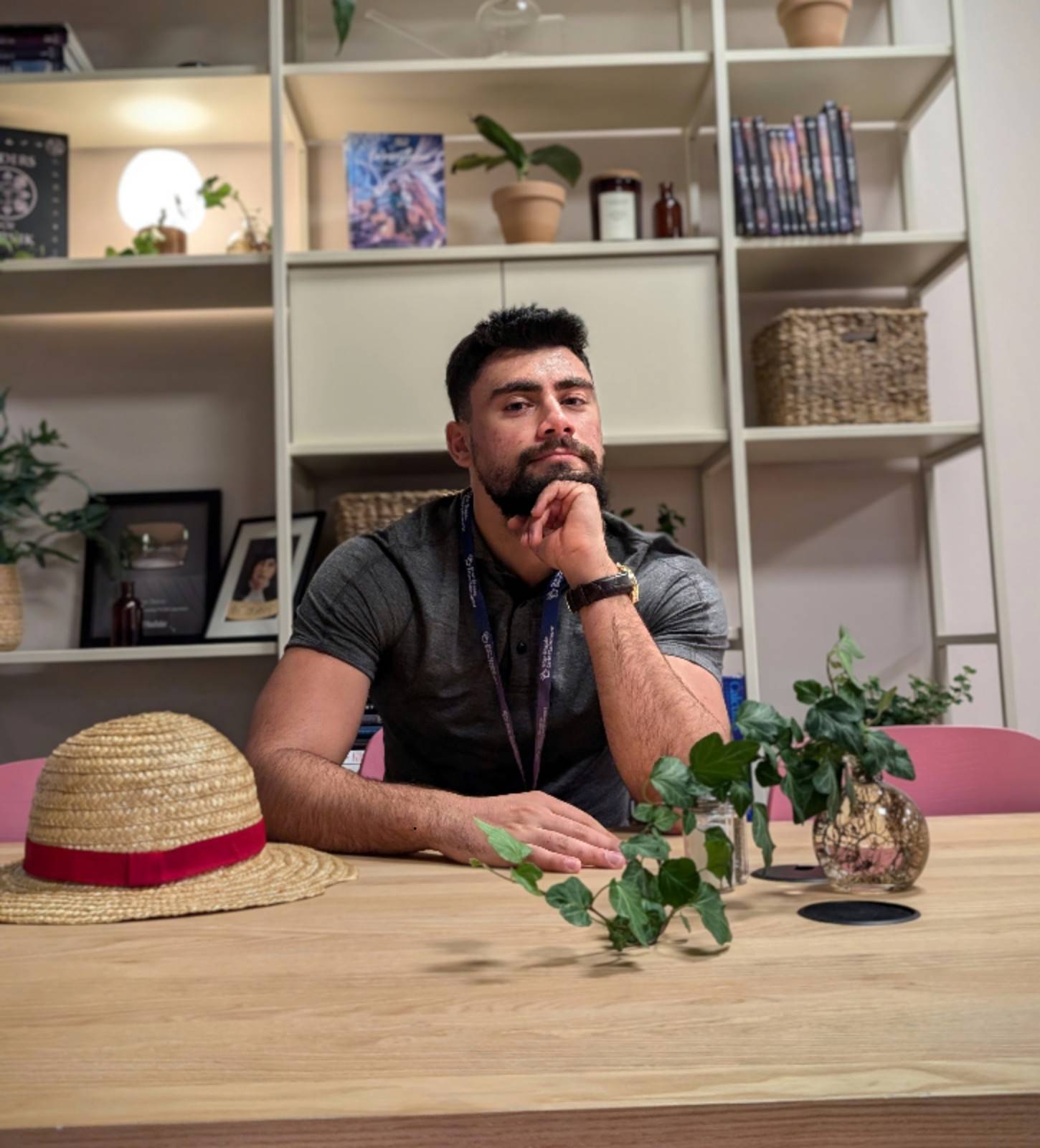
Real photo of me, patiently waiting for your DM.
Copyright ©Phokou Digital 2025
Website by: Do It Digital
It was a pleasure collaborating with Harry on our Live session. Unlike other experiences, it was good to get the feedback and in-put on content and successful Linked-In formats.
The support in the lead up and post event was great, this made all the difference in terms of reach and success. A very supportive and collaborative approach for reaching out to our industry.
Cheers Harry 🤗
Harry is an excellent coach!
I had a plan to strengthen my personal brand on LinkedIn, but I really did not where to start. I just kept delaying that. And then during the 1:1 power hour with Harry it became clear that I need somebody experienced to help me put a strategy in place. This is how it started.