

Intro
So, you’re managing a brand. Could we answer this question for people at home? Like, what does a brand mean when it
comes to a game? Brand isn’t what you say it is. Your brand is a reflection of what your
players tell you it is. It’s a reason why you buy Adidas over Nike or the the
other way around. They’re both sneakers. They’re both great. Which one do you choose? Today, I’m joined by a strategic brand and marketing leader with over 20
years in the games industry. He’s helped shaped global franchises like Need for Speed, Unravel 2, and The Hunter: Call
of the Wild, working with studios including EA, Code Masters, and most recently Avalanche Studios. We didn’t
have the roaming police in the open world, which we now know was a key
motivation for playing Leap for Speed, which is you want to be a badass. How do you be a badass? By outwitting the cops.
If there are no free roaming cops, you can’t outwit the cops to be a badass. And therefore, it didn’t deliver on
motivation. We talk about how to build brand into your game from day one. Engaging your players earlier than you
think and what it means to be in brand marketing at different studios. Your product needs to mean something. It
needs to stand out. It needs to be remarkable. And it’s not about being the best. It’s not about being the cheapest. It’s not about being the shoutiest or
the most expensive. It’s just about standing out for something or some collection of things that make you
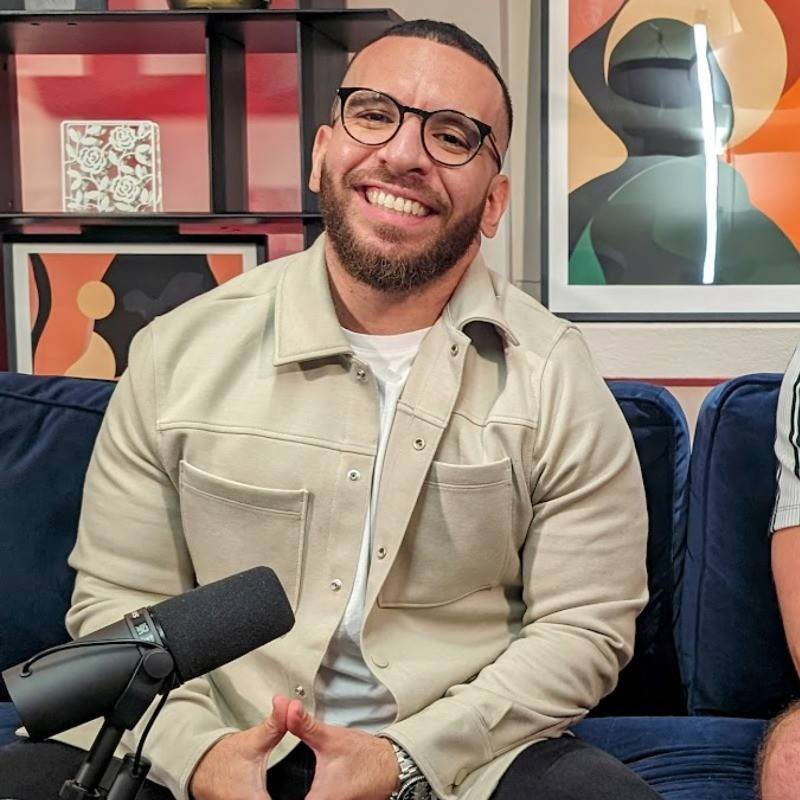
remarkable. From someone who’s helped create global brands, this episode’s guest, Ed Newbie Robson.
Ed, welcome to the show. Thank you, Harry. Lovely to be here. Lovely to have you. And yeah, very
excited for this conversation. So, I’ll quickly catch people up and I want to get straight into it. So, we met at
Nordic Game at the Avalanche Openhouse and for people at home, 20 plus years in the games industry,
brand and marketing at pretty much the highest level. So, we’re talking for franchises like Need for Speed, Unravel 2, Hunter, Call of the Wild, working at
studios like EA, Code Masters, and most recently Avalanche. So, what we wanted to get into today is kind of why some
studios still treat marketing bit like an afterthought and kind of talking about what is an actual brand when it
comes to marketing and then all the things that follow from that. So, I want to get straight into it and ask kind of
What a “brand” actually means in games
how has a marketing brand kind of evolved over when you first started in
games when you’ve started now? Cuz I’ve noticed on your LinkedIn like the job titles you’ve had aren’t that
dissimilar. For example, like senior brand marketing director and then head of group head of marketing and then at
the code master was a senior global brand manager. So you’re managing a brand, but that’s over like 15 years. So
I’m guessing definition of what a brand means probably has changed. So like could we answer this question for people
at home? Like what does a brand mean when it comes to a game? Awesome question. And and it definitely
has changed over the years. I think in very simple language is a brand is a way
to choose. It’s a reason why you buy Adidas over Nike or the the other way around, right? They’re both sneakers,
they’re both great. Which one do you choose? Um, and in and a great example of that is if you walked into a hotel
that was Nike branded, you’d be able to tell that was a Nike hotel. But if you perhaps as a an OPA post, that’s because
Nike are bloody brilliant with brands. But if you walked into a if you bought a sneaker that was managed that was built
by Hilton, probably less less able to tell, right? in games.
I’ve I mean I’ve been doing brand for a long time and I think it’s definitely evolved to be more sophisticated.
Um at Code Masters we we had great brands. We had Colin McCrae rally which turned into dirt. Um and we had to have
a real big think about that point where we dropped the Colin McCrae from it cuz sadly Colin died in 2007. Um, and that
was a really interesting challenge for the company is like respecting his lineage, respecting his life because we
were great partners and we got on very well with his family as well, but also being able to move on from that because
I think you just have to. Um, so it was a really big challenge in in kind of figuring out how we did that. And we did
it basically by going from Colin McCrae Rally, Colin McCrae Dirt, and then I
think it was still Colin McCrae’s Dirt Two, and then on Dirt 3, which was the game that I personally kind of drove
from the beginning, we decided that’s it, it’s done. We checked with the family that they were okay with it. We did some great DLC um that was a kind of
charitable donation to his charity. Um uh but yeah, it was definitely something that was a
transition. I you’re thinking of the word transition there because like you kind of did it very gracefully, especially with the little cherry on top
of the DLC. Yeah, exactly. We wanted to do it. We wanted to respect it. But I think brands
brand has become so much more important because there are what I mean I’m what is it 18,000 games launched on Steam
last year or something crazy kind of become a joke on the podcast that I think it comes up.
I didn’t even want to say it but you know you have to. Um and and and according to Nuzu, it’s like what is it?
8% of game time isn’t games that were that are more than six years old or
something like that. So old game problem. So when we hit the gaming playbook bingo card, we talked about the old game problem and the steam
amount of games. So it’s it’s a real problem. It’s a real challenge, I would say. Exactly. So game game quality is super
important always. Like if you don’t don’t have a great game or a good game, a solid game, that’s the foundational
piece. But then being able to differentiate yourself from a brand perspective as to giving people a reason
to choose a platformer over B platformer or a racing game over B racing game.
That’s where brand really has value because people go in the old days they go into a store. That’s one that’s one
massive thing that’s changed, right? Is you used to have people browsing in physical stores and now
I remember I used to go into game in the mall and I always thought I wish I could play Sims cuz the cover art looked
really cool. But then I never did because my dad was like, “Games are free. Just use the internet.” I was like, “Okay.” But that was my
experience. But I used to be like pretty much making decisions based on cover art. Yeah. And you’d browse and and and now
it’s similar, but ultimately I so much more game discovery is is friend recommendations
um and your discovery queue on Steam and just frankly spending money on on on
advertising. But yeah, brand brand’s still super important and is more so because you need other ways to stand
Need for Speed: when players define your brand
out. Um, and I think we were probably just less aware of what brand is. And I
think another thing I learned at EA actually was that brand isn’t what you say it is. Your your brand, your brand
is a reflection of what your customers, players tell you it is. And that was
really um that came about very strongly because um at uh on Need for Speed
Payback for example, we built what we thought was a good game. We were like, we’re going after Fast and Furious.
going to be a massive explosive uh entertainment spectacle. Uh and that was
great, like awesome, love that. But in building that game and making the decisions when you come to scope
cutting, we cut free roaming police thinking, well, you know, we got this big explosive game, great story, we’ve
got the things that make Need for Speed important. We had our brand tenants, which are the things we made up. Um and
then we did a and then and then Payback wasn’t the best Nepe game ever launched. Um, there were lots of reasons for that,
but we did a bunch of research afterwards and ask players and basically
you can track it from we didn’t have the the roaming police in the the open
world, which meant that when you weren’t in the story, you didn’t encounter the police. You couldn’t get into police
chases, which we now know or we did we then knew was a key motivation for
playing Leap for Speed, which is you want to be a badass. How do you be a badass? By outwitting the cops. If there
are no free roaming cops, you can’t outwit the cops to be a badass and therefore it didn’t deliver on
motivation. And I think that’s where you start to get that’s interesting because it’s actually I want to touch on that before we go
back onto brand cuz like that’s almost like the role player in the player I guess but also like the expectation when
they play the game. Like when I play Call of Duty, sorry not Call of Duty, Grand Theft Auto, if there was no
police, what’s the game? There’s no game. There’s no consequences. And I bet like the core gameplay loop in the race
were probably checking all the boxes, but then the person didn’t feel like they got what they expected even though
the core gameplay loop might have been there. Which is interesting cuz it was like we’re not measuring based on if
that game was quote unquote enjoyable. It’s like okay, but outside of this experience, I don’t feel what I wanted
to feel and now it feels frustrating or, you know, lackluster, whatever word you want to use.
Yeah. I mean, basically the way we think about brands is a game has a certain amount of features or a brand has a
certain amount of like things that have to be in it to make it that. Um, a Nike
has to have the swoosh on it, for example. That that’s a visual indication, but it probably has a bunch of other things that I don’t know cuz
I’m not a Nike expert, but um, in Need for Speed, it had to have cops. It had to have uh, a narrative, but not a
story. It had to have customization, all those kind of things. They then give you
they the benefit of that is your functional benefits in a game. So what does it allow you to do? It allows you to have cop chases. Cops allow you to
have cop chases. And then what emotions do they trigger? What emotional benefits? Well, cop
chases are like nerve-wracking. They’re exciting and they allow you to um
ultimately escape the cops, which then give you that payoff. And the payoff is That’s interesting. But you had all of
that, I’m guessing, in missions, but you don’t have the same stakes, I guess, because it’s a mission.
And once the once the career was done, which is what I don’t remember what it was, 8 hours or something, and the the the meat and bones of those big racing
games is not just the career, it’s the rest of it, right? And people just weren’t they weren’t getting out of it what they expected. And they told us and
they said, “This is not this is not the new speed game I expected it to be.” And so, and this is difficult for smaller
brands to do this, but there are some ways. But really truly understanding what your players tell you your brand is
is critical, especially if it’s a longunning brand like uh The Hunt of the Wild or Ne for Speed um or The Sims or
any of those games. Sweet. What I’d love to do maybe is I did this once on a podcast with Bobby.
Indie studios: brand mistakes to avoid
We talked about game scouting and we just covered like the three I guess stages. So, you mentioned small brands.
So I want to single them out here. So the people listening who are maybe
they’ve made one or two games or they’re doing their first game and they started to think okay how do I approach brand? I
don’t know if you’ve ever spoken to any indie developers before where they’ve made some common mistakes or they might have misunderstood certain things like
what should a new person sorry what should a new developer look for when it
comes to developing their brand for their games. What should they be looking out for? really great question and I I was on the
I was on a call with a with a Linda developer this morning actually and and I won’t name any names but the the
developer question has chosen to use some of their um company brand in the name of the game which I think is a
really interesting choice. It kind of reflect I really reflected on that because I thought is that just making it
a bit complicated but then I what I liked about that is they’re trying to build a brand for their company as much
as the game because whilst um you it’s complicated and I don’t
think there’s a there’s necessarily a certain answer to it but brand is important if you intend to exist more
than one game like if it’s only a single game right because if you’re not then yeah
you’re pretty much promising you either fail or you’re building one title and that’s pretty much everything the
company will ever do. But that sounds risky. Yeah. And I think an example of that and I I work closely with Hazelite um who
are now very famous because uh with with Split Fiction being their latest release um and their their brand is basically
Joseph Fues um because he is absolutely incredible at building um not only
building great games and get great games that stand out but also he has a vision and he has what he wants to do. And I
think a lot of people just know Joseph Fares makes a game, I’m going to go buy that because it’s going to be amazing. In the movies, for example, like a movie
director, absolutely the same. Yeah. If it’s uh Yeah. If it’s Steven Spielberg, God, it
shows my age, doesn’t it? Um but uh or any other movie director um Brockheim is
probably still not helping. Um anybody any any movie director has a style and has a reason. will go to see a movie if
if James Gun for me like Quentyn Tarantino like the fact that James Gun made Superman well
I’ve played sorry I’ve enjoyed a James Gun movie before Guardians of the Galaxy it can’t be that bad like I already just
have that assumption right yeah exactly so so I think I think that that can be like personal brand so
you’ve got lots of layers of it you’ve got your personal brand which for most indies is probably not that important
initially that’s something you build over time I mean Joseph and Hazite built a bunch of great games to get to the
point where they can really expand. But I do think it’s important just to think about like and it goes back your
brand is ultimately a reflection of your products, right? So it starts with product and your product. So your
product needs to mean something. It needs to stand out. It needs to be remarkable. I love that word. Thank you,
Seth Goden. Um one of my favorite words because it’s beautiful and it means it
doesn’t it’s not about being the best. It’s not about being the cheapest. It’s not about being the shoutiest or the most expensive. It’s just about standing
out for something or some collection of things that make you remarkable. And I think your brand will be built on that
product that you launch first. So I guess the challenge can be depending on what you’ve decided to build. if it’s a
uh cutesy um chill platformer and your next game’s going to be an 18 plus
bloodthirsty FPS um like how do you start to and that that that becomes a
challenge and I think it’s it’s because brands need to be consistent. Look at Call of Duty. I mean, as much as there’s
the good ones and there’s bad ones, um, both from a visual perspective and a playing perspective, you always know a
Call of Duty game is going to be high action and it’s going to push you along and you’re going to be done with the
career and then if you’re in for if you’re up for it, you can be killed by 12-year-olds um, all over the world in
multiplayer. Yeah. So, it has like guidelines. It’s interesting cuz I’m listening to you
Logos vs brand attributes (and why visuals aren’t enough)
speak. I’m actually redoing my not red. Yeah, I’m re So I’ve done events. I just called him gaming rally before. We came
up with that name like very quickly because we had to name it something. And now I’m redoing it and oh my god I’m
like basically paid for a logo designer got somewhere and I was like ah oh we
found something really liked and then I reverse image searched and it was the exact same copy paste from another gaming company. I was like no. So now I
had to redo it. So now I’m on like a website called 99 designs and I’m trying to put the keywords of the name of the
company in the logo, but then someone is saying, “Yeah, but that feels too corporate. That feels too childish.” I’m
like, “Ah, okay. What do I want my brand to feel like?” Then I we come up with some words. Okay. I put that back to the
designers and now I’m in the final stages. I need to like select the logo and the colors. And it’s just taken so
much longer than I thought. Like this process started like a month and a half ago. And I’m like, I just need to name my event company something. because I
know this is going to last a while and I can’t just launch an event with a name and a logo and then say ah we changed it
in six months times like especially with an event I feel like it needs to get it right. So I’m in that process now and
I’m just thinking I don’t want to make this about me but like for a developer for example if we take it back to gaming
should they even be touching their logo before their game is made or should like
cuz you mentioned it comes from the product like I understand what my events look like now so I feel like I’m in a lot better
place to pick a logo but yeah if I told myself to make a logo 10 like 10 events ago I think I would probably have to
redo it. So, is it similar in a game situation like you just make the product first? I think I think that’s a really good
question and I think and you you’ve touched on the most obvious, the most commonly understood and one of the big
parts of a brand which is the visual ID. Yeah. Um it’s not however it probably isn’t
the most important because the most important is that brand those brand attributes. What is it that makes it?
So, for example, if I if I go to one of your events, why is it one of Harry Focus’s events?
Well, probably because it’s been, you know, I’m gonna I’m gonna feed you lots of nice things, well organized, the drinks are on tap that, you know, we
what the thing that actually people use me is energy and like the vibe surprisingly or
like the right people in the room. Okay, how do I like I can tell you probably the a brand will be announced
by the time this podcast comes out. Like so my brand’s called Hivemind and the idea is everyone joins the
Hivemind and I actually managed to get the domain hivemind.world. Nice. I’m like, okay, nice. So, we got the
Hivemind World Game Summit where premium people from around the world, you can connect to the Hivemind. We can all share ideas also plug in and I’ve got
that going. I’m like, great. And then I realized, ah, there’s no games in here. How do I put a gaming feel to this?
Should I force a gaming feel into this? And now I’m having those problems. Like, yes, I want it to feel a certain way that I feel like I have too many
checkboxes. And what’s happening in the logos is like it’s just way too busy. I’m like, that’s where I get overwhelmed. The brand is trying to do
too much. Yeah, I definitely and and just carrying on the the the visual side of things. Yeah,
I am I definitely have a style if you look at all my uh all my pack shots of which um there’s been a few probably
more um less recent because the Hunter call the wild the um the brand visual design redesign is it was
Is there something I can find it is is you can’t see that because it’s not out yet. So um but the uh but the um
but for Ne for speed uh Nee 2015 payback and heat uh which are kind of my I was
involved in and all the dirt games I like clean. I like because I think that always
ultimately the the visual design of your of your key art, let’s call it that. Yeah.
Um is about getting noticed and being memorable. It’s not about communicating a whole bunch of things because you
can’t. And we have these uh uh hilarious things. There you go. So, Payback, this
was this I mean, I’m not going to say I designed it. It was a very clever agency called Hackami Carol. And they were
being um briefed by um the amazing God knows what they’re called these days. EA
likes to rename departments, but the amazing uh creative departments at EA um
uh that we work with at the time. And you know, we we went for something that was relatively clean, clear, um, and
pulls out what you wanted, which is ultimately, um, an exciting um, explosive racing experience with
different vehicles. And if you’re a nerd, if you’re a car nerd, you can go and go, “Oh, that’s a R34 Skyline. It’s
got the Watsip body kit on it. It’s got Toyo Allies on it or whatever, or tires on it, sorry.” And you can pick those
things out and you can go, “Oh, that’s that old one of those and got a BMW, blah blah blah.” but they’re secondary.
The main thing is it’s a car being chased by a helicopter on a dirty kind
of um sunbleleached pack and that’s kind of what you need to get. So it’s simple. Um I’m a big believer in simplicity of
of brand and clarity. And if you again go back go to look at Nike, Call of Duty, McDonald’s, all the biggest brands
in the Coca-Cola in the in the world. How often do they screw with their brand? Rarely if never. Um, you know,
Pepsi had a famous relaunch. Could argue with that before. Same with Burger King. They just
went back to classic. Yeah. And, uh, and Jaguar Cars is a really interesting one because they did
this absolutely bonkers, um, rebrand to say, “We’re not making petrol cars anymore. It’s all going to be electric.
We’re ditching everything. Here’s the new brand. Everyone hated it.” Massive PR stir. Now they’re going back and kind
of reworking it a bit, but ultimately they made a massive massive um impact on
the industry and everyone’s gonna remember that time when Jagura did that wacky logo design and and pushed out a pink car because they made impact and an
impact as you know is important. Um so so yeah, brand visual ID very important
When should marketing start in game development?
part of brand but not the only part. you know, you’ve got your the the really interesting components of the brand, the
feet, touchyfey stuff. Um uh which are the kind of uh attributes of that brand and then what
benefits that so like what’s the you mentioned something the most important thing about brand isn’t the visuals,
it’s like the attributes. So if I’m looking to make a game now, like if we can role play like look Ed, I do not
have time to start thinking about this like let me just make my game I can come back to it later. Is that an issue? like
where does this fit in the life cycle of kind of developing a game? M I mean I think I think that’s great and I I think
it touches on where uh the kind of the the subject matter that we kind of discuss which is the idea that marketing
flipping marketing the idea of marketing from at the end to the beginning because if I’m if we’re sat together and you’re
you’re an amazing dev and I’m a marketing guy or a brand marketing guy I’d be going okay you have to have the
idea like I can help I can help say here’s some gaps here’s some interesting genre mashups that someone hasn’t tried
yet here’s some areas of market. Here’s some platforms maybe you should focus on because Steam’s a disaster. So maybe
focus somewhere else. Let’s not even talk about mobile. Um, and so I can help with that, but you’ve got to, you know,
the create, I want the creator, the person that’s building the game, the dev to have the idea because it needs to come from something. And I’m a big
believer of this mix of amazing creativity with great intellig market
intelligence will is going to get you to a good place. And market intelligence is what I just discussed, but it’s also
players as well. Like, so if you say to me, I want to make a um I want to make a
shooter. I mean, I’d probably say, please don’t. Um there’s too many. Um but let’s say you did. And um and you’ve
got this idea that’s that’s that’s kind of something in innovative, different. Great. Let’s go find some let’s go find
some players um to talk to that are in that market. Go talk to them about what maybe the current games aren’t
delivering, how we can find some place. You got to find that that innovation space where you can deliver. And I think
that’s where marketing adds the value at the beginning, which is not just making a cool game because you’ve come up with
a cool idea and everyone loves it around you and are all high-fiving and going, “Whoop! This is going to be great.” Getting it to market and going, “Shit,
nobody wanted it.” Um, it’s great, but nobody wanted it. There’s not enough people going to buy it. And
that’s fine if if the out if the outcome is art. Um, but if the outcome is I got
to pay someone and I’ve got to, you know, I’ve got to put food in the cupboards, then uh ultimately you need
to have something that’s commercially viable and successful and has a market. All righty. So,
How to check if your game idea has a real market
how how does one check for that like early days? And I’ve heard a lot of different answers here, but I’m
wondering like if you were making your own game, like where how do you fact check? Sorry. Yeah. How do you check if
there’s commercial ability for my game? Cuz I’ve heard one answer which is pay all this money to test from like play
testing essentially. And then the other one is just look at what’s already out there and then maybe see if there’s a gap and then make that game. I feel like
everything is just different. And then there’s the other side is like just make a good game and you know you the rest
will come. Yeah. Exactly. I wish the last one was true and let’s be honest it just isn’t.
There is some there’s so many examples of really really great games that don’t find an audience because of it wasn’t
nobody wanted it or it was sadly too late. Yeah. It wasn’t remarkable in in a
particular way or or it just didn’t have the support. Um I think I I think um going back to
the question I think it’s just really important to to to figure out whether
um I think you can do some base. Sorry I blanked on the question. It’s come back. Don’t worry. Um, that was that was me
wasting time. Uh, while the brain was catching up. Um, so there’s lots of different ways to figure
out where there’s a market. If you got money, then it’s easier because you can, you know, in EA’s case, for example,
there was a big team that could, you’d go, I need to know whether these, you know, how successful has sports horizon 5 been and tell me if there’s a market
and some really amazing, clever people would send you a spreadsheet in three days. Um, not the case at any other company I’ve worked at and certainly not
the case for an indie startup. There are things in between where you can go um uh there are some services VG charts there
is a couple of other different kind of ones you can pay like 30 40 bucks a month or something um which I think is
reasonable given that that’s how much I paid Google just to you know give me some interesting AI answers um uh and I
think that’s kind of that’s probably indie level um there’s news which is fantastic I’m not plugging it but it is
a tool we use at Avalanche because we’re a kind of mediumsiz developer publisher and that’s where you can dig in and get
a lot more data about sales and and stuff like that. So that’s good for for understanding is there a market because
I think that is really truly important. You know even big games companies and this is before my time at Avalanche but
um a cool idea second extinction which was a game that um got released into
early access. I want to say probably 2021 when I the year I started um
Dinosaurs a co-op shooter where you shoot dinosaurs together. It’s a cool concept. Um, but it just didn’t find a
market. Um, and there were some other games around it that were just better. Um, unfortunately. Um, so yeah, it’s,
you know, it’s got some, uh, we’ve done some did some interesting work on on rebuilding the ka for that. It’s, uh,
um, and it’s cool. And I’ve never heard of it. No, I know. Unfortunately, and and even,
you know, even a medium-sized company like Avalanche doesn’t have the money to just throw tons of acquisition to
towards something. I mean, we went into Game Pass if uh and I wasn’t working directly on it, but I went into Game
Pass, got a million people in straight away, and unfortunately, it just didn’t it wasn’t remarkable in the right ways
and therefore people just fell off. And there’s so many tales of that, right, of games coming out in early access on
Steam or a demo. You play it in Steamfest and then no, it’s not got that. So, so that’s why I would always
argue for having conversations early on about even making some stuff up about
what players, you know, what players do you think it’s for? Cuz let’s be honest, how many small indies are making games
that they want as opposed to making games for right? Um, I would think so. No offense to any
of them. I think and I think it’s because of the logistics like to make a game you need to be the person putting code or drawing
something there’s some games which are done by both now like there’s the solo developers also doing the art like
Undertale or Batro for example but they by nature made games they wanted to play
I think they’ve publicly said it but because the marketer is not making the game in my head therefore they probably
Why great games still fail commercially
don’t have the marketer hat on so by nature indie games are now made will not
think of marketing first. No. And I think and and even, you know, medium-sized game developers um are are
often in that in that case where they’re still making things that they want. And even big developers, let’s be honest, they’re still doing things that they
want. And if you’re, you know, if you are um the Hower crew at great GTA, I
don’t think it matters. You can make games that you want because everyone else wants them, too. And the same probably for Joseph Fres. But I would
say that they’re the exceptions. the the majority needs to be that’s great and I’m glad you want to play your own game
because I think that’s also very important but um but how can we how can
we um help people find that other information and and and think about it
commercially at the early stages. You know, you can you can ask yourself a bunch of simple questions of like what
um what is it as in give me a pitch. What’s your elevator pitch? What makes it different to other games in the same
category? not just all other games, but in the same category. Who is it for and
why will they care? Like that’s probably like if you’re just asking those questions. I would I would I’m I’ve not
worked with a bunch load of load of indie developers. Um and um I don’t know
what necessarily normally goes into a pitch, but that’s what I’d be expecting to see if in a pitch is like really like
getting to that remarkability, if that’s even a word. Yeah. I want to maybe take us back with your
Moving from marketing into production at EA
journey if there’s any marketers listening to this if we shift from the developers now. So because you worked as a producer at EA, right?
Yes. Two years on N speed Heat. I was a senior producer um working together with two other senior producers. Um and I had
a part of that game that I was responsible for. So with production because then you
moved into more the marketing and brand side like what carried over? Were you doing production on the marketing side
or was it like a jump? Can you tell me what happened? Yeah. Yeah. Um, so I started I started
um I moved from code masters as a brand manager to EA as um the uh brand
director on New Speed and then after four or so years can’t remember the exact time it was then there was an
opportunity there was a there was a reshuffle. It’s EA that happens every week. Um so there was a reshuffle and I
had the opportunity to move into a production role. Uh and frankly I just thought to myself this is an amazing
opportunity. These don’t come around. people wanted me to do it. Um, and at EA, what’s worth clarifying
for everybody who’s a producer elsewhere is EA’s producers are not project managers like they are in most
companies. They’re product owners. Um, so most most companies call them product owners. They have the title product owner at EA.
Not when I was there, not on not on um PC console, maybe on on mobile, but
essentially we were product owners. We went on product owner training. Um and it was about um building scope for our
areas and and um kind of prioritizing scope. Um I was specifically responsible
for um I was responsible for the relationship with marketing because it kind of made sense because I was the marketer beforehand.
Um I was responsible for all the licensing relationships for all the car manufacturers um the uh building of the
cars, the um handling car handling um and other partnerships that we were
doing. So, I kind of took all of that whilst we had a a senior producer doing all of the online and the um network
stuff and then the senior producer making the main kind of game arc. Um, and it was some good fun. I learned a
ton and I after leaving EA in 2020 and then um disappearing into the forest
when everyone else was also not having a great time in 2020, I figured out that I love production, but I love marketing
way more and brand marketing especially. So that’s why I went back into it when I joined Avalanche in 21.
So my followup here is you said you learned a lot. I’m wondering when you kind of entered Avalanche, is there
anything you brought with you from EA that maybe wasn’t there at Avalanche that you know kind of was maybe an
unexpected learning that carried over that maybe another marketer can hear? Like what did you learn about marketing in production? Yeah, cuz the one thing I
wanted to kind of maybe double click on like you mentioned the Need for Speed relations with the car people and we had
a podcast on uh recently where the lady is mobile gaming and she comes not from
gaming but she joined there and she’s trying to get relationship with restaurants. It’s like a restaurant management game on mobile and she’s
actually she was finding it harder than she expected to try to convince a brand
to actually get involved in a game like hey why are we even paying you you should be paying us the amount of
impressions you’re getting but it was just like a lot harder than she expected. Um maybe we can put that into
two parts here but yeah what did you take away from your learnings from like EA and maybe brought into Avalanche?
Yeah, really good question. And I think um a lot I mean EA are operators, I like
to call them like they are absolute operators. They ship games. They have
fantastic resources, super clever, amazing people working there. Um and they also try new things. And so I was
able to bring a bunch of knowledge from EA to Avalanche. But I think what really helped me and what’s what’s some people
struggle with when you go from big corporate to smaller company is adapting that and tailoring it for the scale of
company. It was very helpful for me that I’d worked for code masters before and Cody’s avalanche of similar sizes about
500 people so 100 millionish dollar um uh a year revenue. So it was helpful for
me with that experience. I think some people have come from big corporate and gone and tried to just apply things to a
smaller company and it doesn’t work. Yeah. Um, why doesn’t it work? Actually, I think I think because you’ve got all
those other resources. So, um, you it’s often the case where you didn’t necessarily do all of that like the
brand work we did on Need for Speed. I was very heavily involved, but there was a team that built the that, you know,
built the research, did the research, some amazing clever people at um, uh, good friends now who built all that
research and and pulled it in and gave us all the insights and we then had to figure out how to use that insight as
brand people. Whereas at Avalanche, we’re doing a lot more of that. You’re doing more a lot more. So I guess
it’s like it’s in layers like startup kind ofme and the large company then you
got like mega large company where they’re like there’s teams internally dedicated to support you on this thing
where in a startup you’re like what do you mean you’re doing all of that? Exactly. Exactly. I used to have a team
that did that. Oh my god. Um yeah. Exactly. And I think and I think what else did I what did I learn from my days
in production? I think you had to be more organized. You had to manage your time better. You were working with in EA
they call them development directors, DDs, which are the project managers. So I had a project manager on my back like
have you done this? We need to do this, we need to do that, like all the time, which you don’t tend to have as much in marketing. And I think um I built
systems to help me. So built a new way of doing my emails, for example. I built um you know productivity systems. I use
a I use a combination of to-doist for my tasks. Um, I process emails as opposed
to read them and I uh used Evernote to take notes for everything. You taking notes for everything. I was crap at
taking notes when I was in marketing. Um, but in production you have to because you, you know, you’ve got a load
of developers who you’re responsible to and they’re responsible to you. So, you can’t just, you know, you can’t just uh
hope. Yeah. Exactly. You can’t internalize it. Plus, it’s not good for you either, right? You don’t sleep well if you’re trying to internalize lots of crap.
Yeah. Well, I guess now you got AI notes now. Indeed, right? Not perfect, but it
definitely helps you in the moment because as a as I do not find it very
easy to uh be very engaged in the meeting and take notes. I’m a really I
think okay notetaker and I can be engaged with the meeting doing both when you have to be enga I’ve noticed myself. So if I’m doing an interview and
it’s not a podcast style it’s literally like Q&A I’m fine taking notes but at any point like I have to actually make
it a conversation I can’t. as at least how I’m I’d rather not. There are some amazing people I’ve
worked with that are able to do both and credit them. I cannot. So, uh yeah,
having having a person that can take notes and then being, you know, if you need to engage heavily and manage and drive a meeting, for example. But yeah,
I learned a lot of productivity stuff um in production because you just have to and I think that was really useful. I
also learned what it’s like being the other side going come on marketing, we need you to decide whether that is okay
for the pre-order. um uh you know pre-order bonus or not and we need to
know by X because we kind of got to build it. Um and just understanding development streams and how builds get
distributed and all that kind of stuff is so so has has really been very useful throughout and it will continue to be
throughout my marketing career. Very interesting. The thing about um marketing deadlines maybe um maybe this
Who really owns P&L: marketing vs development
isn’t interesting to marketing but maybe you can educate me but like I’m sure like you see all these games getting
delayed right and I’m wondering how much of that is development marketing or both
but I’m guessing games get delayed purely from a marketing perspective surely right like
I’ve I’ve I’ve not seen that happen actually I’m sure it does I’m sure it does just by the law of
averages but ultimately the game usually gets delayed because of external forces, i.e. Grand
Theft Auto 6. Oh, that’s been a tough year for developers, hasn’t it? Um, and
um andor it’s not ready yet. And the most usual reason is it’s not ready yet. And I and I sometimes it can
be marketing involved in that decision and I think that’s great, but I’d much rather that you know there was a
developer saying hands up like we need another six months. This isn’t going to be the best experience for our players.
Um, and I think that is usually the case. um it’s usually developers taking ownership. So I think yeah there’s a
certainly from a player perspect consumer perspective there’s this idea that marketing are going you can’t do
that because I I I’ve never found like the generally speaking the P&L responsibility sits
with development or it sits with a product owner uh which is often in development anyway. So that is usually the person making the decision. M so the
marketing maybe this is good just to like like in my head isn’t the marketing
person also talking thinking P&L and like ROI and stuff like that’s all they’re thinking about but you’re saying
like the true ownership is with the developers and they should be it’s often I yeah I don’t I I’ve worked
at three separate game game developer publishers so with some indies as well but uh Code Masters it was shared and at
EA it was shared so you had a brand manager and you had a an EP basically um or a brand director or whatever, but but
you had those two two people and they shared responsibility for the P&L. It was like that at EA, but the the
tiebreaker, if you like, if you need to make a decision, you can’t agree, it was always the EP that made that decision.
Um at Avalanche, the system is slightly different. It’s quite uh which I’ve we’ve gotten used to over the last year
and a half because it was relatively new. But basically there’s a product director who sits in a separate org and
then there’s a brand person and the producer person, right? So you’ve got these three three legs to the stool and
they in theory should come to consensus. Good Swedish thing. Um we like that. Uh but if you can’t the product director is
the is the tiebreaker and the product director has full P&L responsibility. And I think it’s it’s a really
interesting one. I don’t think anything is perfect. Um, I do think that where we’ve perhaps struggled at Avalanche and
we are rectifying that with hiring more senior people in certain areas is having someone in the brand marketing side that
is responsible that can bring that expertise and experience to challenge
some of the other to the to the two other folks in that group especially
How marketers earn trust with developers
maybe this is a question that will benefit some marketers like how can you
as a marketer put your case forward and actually be listened to. Cuz if the actual owners or the decision is coming
from the developer or the product owner, then you might have an idea, but then you just it doesn’t actually get
listened to. I’m sure that happens like that. How do you even build a case for
the developer as a marketer? I mean ultimately what I remember vividly fantastic art director at
Codemasters once telling me, we make 90 Metacritic games. you need to make 90 Metacritic marketing. Um, and it scared
the living [ __ ] out of me. I was quite a young man at the time and I was like, um, all right then. Um, but it like
there’s high expectations, you know, that they’re they’re putting a lot of effort and time and and and energy into
everything and and their heart and soul often and and there’s an expectation that marketing would do the same. So I
would say turn up with um not always evidence because marketing is is uh both
an art and a science and not everything is scientific. Um although there’s a lot
more you can prove with data now than there ever was. Um, so I would say come with a with a proper business case,
right? Why is it that you want to do ABCD? Is it you want to have a demo in the Steam NextFest? Because we know
that’s going to be such an amazing point where we’ll bring a load of players into our community and it’s so important, but
oh my god, there’s a lot of effort to go into that from a development point of view. It might mean that we lose a feature, for example. So you have to
have that conversation about what’s more important and you need to do that as a group. But marketing needs to come with
what’s the benefit like what are we expecting and you can do that generally through benchmarks and you can use steaming DB or some other kind of free
tools where you can go and say hey this game did that and you know they uh they got uh positivity from it.
Cool. So it’s always evidence-based but like the art is still there from definitely like I I wouldn’t want to do
the job I do if there wasn’t still some art and I think developers are probably the same, right? If it’s all just, you know, 50% of players say they want black
thingies in the game. I think that’s what’s happening a lot on the mobile side. Like you’ve seen some games where they just, it’s so
Overhyping games: Cyberpunk, No Man’s Sky & reality
interesting. It was we were talking about Kingshot. So this is this mobile game. It’s like every other ad is
Kingshot. And on the podcast, this was with Matish. He was saying essentially all the ads are about one part of the
game, which is literally just basically click baiting cuz that part of the game is 5%. because that tower defense
version of the game, the spend depth, how much someone could spend in that version of a game is not as high as just
a normal, you know, Clash of Clans building your base type thing. So the 99% is the Clash of Clans thing, but the
first like few days experience is this weird tower defense thing. And that for
me is like a let’s follow the number like okay, this will make most money, but for marketing, let’s do this instead. And it’s just such a weird
thing where yeah, even though people are going to drop off, people that stay will be high spenders. And I just I can’t imagine
that happening in like PC where like you catfish people when they come in and hopefully they spend more.
No, I Yeah, I remember some good good presentations from the Wargaming crew at uh at a summit I was at last year and I
was like, “Wow, wow. Okay, fine.” I mean, that’s obviously accept accepted in the uh in the mobile space. Um I am
less familiar with it. So I’m much more familiar with PC console and yeah I think it’s it’s important for a red
thread to run through um on n speed 2015. So nsp speed 2015 is what people kind of outside of the com the company
EA used. We call it speed 2016. Don’t ask why. Um but the one that hasn’t got a subtitle on it. I remember uh that us
being really clear like if we’re trying to embody the um the brand of Need for
Speed Underground 2, which is kind of what everybody thought we should do. Um and we’re trying to build this underground, the underground world that
you never knew existed. We have to have the red thread all the way through marketing. Um and I work with this um amazing group
of people who were managing kind of the the communications, PR, community, um
and campaign stuff. So Colin McCrae in the states and Gareth Oculus, they were unbelievably brilliant people and they
helped us who were the product marketing team at the time kind of build the campaign to ensure that it felt like it
was very connected so that the experience you got when you got into the game was um was the thing we sold you
because no one wants to do anything else different. I know sometimes Yeah. That’s what you have to do on a mobile platform
with gazillions of games and apps that you have to compete with. Yeah. Um and tiny attention spans. But
certainly I believe that marketing both in its visuals but also in what it’s selling should very clearly represent
the product. Yeah. Because I also it’s a word of mouth game right with console where maybe mobile is probably 100% a lot less
of an impact word of mouth versus kind of on a PC console. So you got to also deliver on the promise for someone
to be able to recommend you. Yeah. Exactly. And I and I think um Yeah. Yeah. And and that can bring you
down as well, obviously, if you don’t deliver on the promise. Um, and that’s that’s happened in my experience where,
you know, we’ve been a bit optimistic with the uh with the promise. How do you avoid that? How do you avoid
overhyping a game? Because one could argue, why don’t we want to overhype the game? Like, we get more sales.
Yeah. How many how many 65 to 70 Metacritic games have sold millions of units because people have just thrown
money at it? Yeah. So, is that a bad thing? Is that a bad thing? Like, I’m thinking No Man’s Sky.
I saw the hype and the marketing was elite. The game was okay, then they fixed it and everything’s all right. Is that
okay? Cyber Punk as well is another example. Like the marketing was so good. The Kiana Reeves, everyone was like,
“Let’s go.” And then it’s like, “Oh no, the game’s not good.” But then they fixed it. Yeah. And and that’s like I think if the
there’s probably a fine line where you’re just you get to a point you’re just bullshitting and nobody
wants to do that. No developer wants that, no marketer wants that, no player wants that. Um, but yeah, you have
there’s you’ve got to build hype. And if you think about Yeah, Cyber Punk’s a great example, right? They overhyped
that so big. So big. And I I was I was unemployed at the time, so I played it
cuz I thought I had the time to do it and the time to restart the Xbox every time it crashed. Um but uh but yeah, I
mean and I think it requires then then it requires a level of perseverance and
loyalty to that brand whether it was um CD Project Red or Cyberpunk itself to
stay with it and these in in even five year God is it five years since that game came out nearly right even five
years later I would say that loyalty is a rare rare thing when it comes to brand
you know even just looking at the recent Battlefield 6 which super kudos to the EA folks and
the people I know still know there. I mean they did an amazing job but like how much loyalty is there still or does
it just need to be a really really [ __ ] awesome shooter that’s going to generate a lot of buzz and hype and
bring people back in? Yeah, time will tell. I want to maybe
Hiring great marketers (and avoiding bad hires)
take you back to people that you think were really really good marketers who
stood out to you like maybe in your career versus someone who was like an okay marketer but not as remarkable.
Like what do you think is the difference? Really good question. I shan names. That
sounds like a terrible idea. So I will try and think of people without without naming names. I mean, I think ultimately
be open-minded um and be ready to be challenged. Um because marketing is a
science and an art um and sometimes the best ideas and the coolest things when
you actually look at the numbers don’t make any sense. Um and I think people can get like, “No, it’s great. We really
want to do this event and you know, we want to go to Gamescom as a medium-sized publisher. It’s going to cost us €2 million euros. It’ll be fine. We can’t
prove any of it’s going to make any money, but it’ll be fine. Like because it’s cool. Um I think this came up.
Sorry to interrupt. In a one of my interviews for one of my like ghost riding clients, he mentioned like
data. I think it was basically it was a funny it was a proverb basically. It was like
um you have a lie, an utter lie, then you have data. So like you can make something really really look like a good
idea if you want to if you just finesse the data and there’s so many other ways you can probably find data right now and
I think it can be quite overwhelming because then okay do I have to spend an hour now factecking your data like it’s
like let’s look at the full data like h it’s tricky especially if you’re using uh if you’re
using AI right because as much as as clever and as amazing it is it makes [ __ ] up to make you feel better and uh
even when you tell it not do and that’s a that’s a problem and and and which ironically is quite a human thing to do,
right? Um uh so so yeah I think I think it’s I think it’s tough but I think great marketers are both um really open
to new things but also like have the have the academia have the experience um
and frankly I mean what I want with whoever it is is a really amazing collaborator who’s who’s it’s not about
them it’s not about them getting you know going to can to a marketing thing
to look good. It’s about um doing great work and and just enjoying it and being
fulfilled by that and working with great people and honestly like yeah who of the all the people and I hired I’ve hired a
lot of people at Avalanche and it’s a as we were talking about before we started it’s a really tough job hiring people
because it’s a bloody big responsibility asking someone to leave their job to come to this place that you’re selling
um and and and work for you and and that’s only the beginning of then supporting the person and growing them
and all that kind of So I think what I look for is I always hire on um kind of core values and um uh
over pure experience anyway because I want to I want to understand that they’re going to work well with others
and it’s a team sport at the end of the day and you know I’ve seen people who are rock stars and great for them but I
don’t find that that’s the the way to surefire success. I think I’d rather have a really good team than I would
have okay team with a couple of rock stars. Like I think you always have different talent. But
it’s really tough because I’m in that stage now. I’m about to do interviews properly, let’s say,
for the first time. And it’s so weird cuz I was a recruiter and I’ve sat on interviews, sat on avalanche interviews.
Like I’ve sat on a lot, probably over a hundred gaming interviews. Every studio does them differently. Uh my most
favorite was one for a studio based in Germany, a mobile gaming studio. I found
his process like super cool, like half an hour elite, all about the person and
then a more technical interview, but he wasn’t asking too much of their time. I just felt like he got so much out of that short amount of time. I’m just
wondering in your experience like the hires that went really really well, maybe the hires that could have been better, like is there anything that you
learned that you weren’t going to do again? Any advice for someone looking to hire? Good question. I certainly don’t I I
certainly never want to do interviews with just me. Just me. Partly because what I said before about not being able to really engage and take notes at the
same time and partly because I don’t believe that I should have the single opinion on whether this person When you say that, do you mean avoiding
a one-on-one interview or just avoiding that being the only decision? Or you mean any one-on-one interview? Both. Yeah. But defin I try not to do
one-on-one interviews if if if at all. If someone wants to do that and they feel comfortable that they can, you
know, they can then take out all they learned and write up some really great notes, that’s fine. Um, I feel like the
power I have in really truly understanding if the candidate was someone that I want to progress with. Personally, is when I then go and speak
to the other person in the interview and we have that conversation of what did you think, what did we think? And then we compare notes. At that point is where
suddenly things go off in my head. I’m like, yes. Well, I’ve not even considered a panel interview because of
maybe this is a bad assumption. Like I have I’m a small company. Why should I bother Frank to get go into the
interview? Um like would you say that’s something that starts at a certain size or do you think that’s just a principle
you would try to do from the start? I mean I’d always try and do it if possible but obviously it’s physically
impossible if you’re the only person in the company. Um so scale is definitely I’m just wondering.
Okay. Tactical question, Ed. So, like who would be the second person? Do they have
to be your manager? Could they just be a prospective peer to the person? I’ve had um I’ve had consultants be the
other person, trusted NDA, you know, experienced people I’ve worked with for a long time.
I’m very surprised. This is so cool. I didn’t thought about this. Like, wow. So, you could bring someone in just for
the sake of the interview. Yeah. And as long as you trust their opinion, that’s the key thing, right? You have to be it has to be someone you
really trust that they’re going to give you honest and valuable useful intelligence on that interview that
they’ve just had because what I love about that is it’s their experience of the same thing.
It’s not their experience of doing a separate interview onetoone where the other guy or girl was having a bad day
or you know what I mean and also not what you rehash to them as well.
Yeah. So I I seriously reconsidering my hiring now.
Very cool. Nice. Um we haven’t touched much on community. Um based on the work
Building community early: Discord & playtesting
that you’ve done like how do you how would you approach community as kind of a marketer like from first principles?
Worth saying I’m not a community person. I’ve worked with I’ve had the pleasure of working with wonderful and hugely
experienced community people but I’m not a community person myself. But I think what I’ve learned is it’s never too
early to begin your community. Um and um it’s really important to now more than
ever, you know, to build that early and you use is a probably a slightly
negative word, but engage with that community to help you build the right game for the right players because if that’s my, you know, my passion, that’s
it. It’s about helping great developers build the right game, the best game for the right people. Um, and one of the
ways you can do that is engaging with the community early because you can build a Discord, you can um, uh, you can
do it on the Steam forums or Reddit or wherever, but you can start to engage with people and un have them respond
back to you. And if we think about brand, what is it? It’s the reflection of your players. And that’s a very good pulse check, I’m
guessing, on your brand in real time because like how hard you wouldn’t have to go and pay or do client interviews
like, oh, the Discord just lives and breathes. I’m sure there’s like we had someone on the podcast who runs a company which called Leveler and it’s a
Discord tool where he like takes all the interactions of your Discord and then makes insights from it and they can see
market sentiment and stuff like specifically for games. So like there’s tools like that now. So like imagine that you have a real time look at your
brand. Absolutely. Yeah. And Exactly. That’s that sounds really awesome actually. I shall take a note. Um and uh and um yeah
and then you there’s some other tools where you can do um targeted um like play tests and things like that. I saw
an amazing tool unfortunately I can’t remember of it to give him a plug but I thought it was really good um at uh at
GDC this year where basically and I love by the way a tool that just does one
thing really [ __ ] well like there needs to be more of that. No, I do not want a tool that’s going to butter my
bread and make eggs for breakfast. your current system with this was like yeah um I it was basically just a play
test tool and it was so slick and so amazing and not overexpensive. Uh bear in mind I’m looking at from an avalanche
perspective. So I still think it was hundreds of dollars a month, but uh bear in mind some big tools that you might
use might be thousands or hiring a community person is, you know, couple thousand dollars minimum a month, right?
Um so so I think yeah, find finding the tools to to pull that information and be
clever about it. There must be AI stuff these days that can pull it. Yeah. Um and then uh so that’s one way
but like you know that’s one thing you want the feedback early but you also want to build trust and you want to
build that’s building a brand with a community together um and you know
unless you are a massive existing brand but even sometimes if you are that and I
think Battlefield Labs for example was Battlefield and EA’s way of going we know we kind of screwed up with the last
game it weren’t as great as we as we meant it to be let’s come have you come in and help us make the right game. And
now, you know, when they did that big launch last week or 31st of July, um they did um you know, they obviously had
a whole bunch of people already on side um to help them build um the buzz and in
addition they also gave all those people early beta access, which is very clever. Um so yeah, super interesting, but I
think so for me, never too early to start your community. it I when I was speaking to these indie folks this
morning I said the two most important streams of work let’s call it because it
doesn’t have to be a person but streams of work that aren’t build a great game or you know make sure the money adds up
um is a kind of product brand marketer type role where someone comes in and is
thinking about the players and the market and the positioning and the USPS and all that kind of stuff and the other
one is community um having someone who can or or a time of somebody that can
focus on the building that because you know the the the people I spoke to this morning like we set up a discord you
know we put a trailer in there and then it kind of went dead and it’s like yeah because you got to manage a community you’ve got to engage with the community
consistently. I mean Battlefield I’m just blown away cuz um the thing you just told me about
Battlefield Labs & community-driven development
Battlefield Labs I heard it was good but I just did not dig into it but I’m just on the Battlefield Labs website. Um, I
want to maybe do a parallel here because I think this is something that a lot of people can do because
let me see if you can catch my thinking here. So, from my understanding, Battlefield Labs, they invited people
who are like super players, I guess, or even some streamers, I’m guessing, people with influence. Cool. Yeah.
And then they gave them a way to actually interact and affect the development of
the game for them. and then they used them in the marketing materials.
So, wow. Okay. So, Batro did very similar thing and this is just an indie example for me. Well, the way he got the
game played is he gave exclusive access to some streamers which he loved watching and he just emailed them. I
think he didn’t send that many emails like 30 to 50 emails and then the game was so cool but no one else could play
it. So then it was naturally a bit of hype. people joined the discord and then as he built the game with the streamers
in mind like there was one streamer I watched called Dr. Disrespect and he was one of like the 50 people not sorry Dr.
of respect, not disrespect the other one. Um, but he gave like a bunch of feedback and affected some of the games
and then it got released. This feels like just to maybe for someone listening like just because Battlefield did it
doesn’t mean small companies can’t do it too cuz if anyone wants to dig into what Batro did like they one man did that um
the same kind of setup where you get people with influence or people who love that genre of game and get them involved
cuz like ah imagine the marketing story there. It’s like we built what players want. Okay, of course you did. like, “No, look, we actually got them
involved. We actually did.” And then, of course, if if you do do it, which it does, it does mean that you have to actually do it. You have to
you have to you have to make the changes. But if you do, then those people are just going to be your advocates. And what do you need more
than anything else in video games these days is advocates, especially if they’ve got a YouTube channel and lots of followers.
Avalanche’s Frontrunners program & early validation
Avalanche is actually doing something, so a much smaller company than EA doing something um called Front Runners. Um uh
and that’s uh the idea is build prototypes of new games, fail fast, but
what they do very specifically is test them very very early and they test them with real players from the market they
think they’re aiming towards. They do a bit of work there to figure out what the player target is. Um and then they test them and the idea
is that in in having them play tested super early, a you’re getting real There you go. Well done. um you’re getting
real players playing it and they’re they’re giving you real feedback. They also by the way build in very robust
telemetry because what you need is so you have I’m just clocked what you’re saying. So there’s an avalanchewide
front runners community which is their play test community and then they are the ones who get to so they’ve basically
done this from a studio level game level. Yes. Yeah. Exactly. They’re called they’re called the R&D team and they so
they have multiple different projects on at one on at any one time. You go into the Discord, you get given special
access, you then if you sign up, you get a Steam key, you go play it. And what’s really important um just to hammer it
really hard is um you need a way to capture the information from players really well. And we have a fantastic
user research leader who’s working on the team who’s doing that and you know knows how to do surveys that get the
right response. You also need telemetry because you need to know both what they tell you but also how they play because
they don’t always align perfectly and you need both to really figure out and understand, you know, and the idea is
kind of build it like an onion. What’s the core gameplay? What’s the core loop? What’s the meta? Like, and starting to build
build and build from there before even you’ve got fancy visuals or a or a positioning or any of that. it’s really
early trying to figure out if you there’s a market for your game which I absolutely love and I I wish them you
know all the best with that because I think it’s brilliant. Really cool. Um how sorry just I don’t want to hop on a bit. How do you know
when that was started? I do. Yes. Because uh good friend of mine Thomas Volstrum is the uh product
director on that and he was uh when we were had two heads of marketing one for systemic reaction, one for expansive
worlds. He was systemic reaction. I was expansive worlds. So we’re good buddies. Um, and when we did the rejig, uh, he
moved over to that in March 2024, I think. So, uh, so it’s been going over a
year. Um, and I’m not I don’t want to speak beyond my NDA, but a bunch of stuff has happened and they’ve done a
bunch of concepts and, uh, there’s some really exciting stuff going through that. So, yeah, I want to just highlight that
Discord community. I just checked, 2,600 people. So, a lot of people might have
thought, which I did, this would be a massive undertaking, tens of thousands of people, but like even an avalanche,
which is 500 plus studio, you get 2,600 play tests. I’m guessing you’re already finding value from what may seem to some
like a small number. And they built that from nothing. So, the first play test, I can’t remember, it’s like 200 or even less. Then it kind
of got into the 500s. And then for the last thing, it was in more like the two and a half thousand. So um and and you
just have to work at it and you again you have to give them something to do, play, engage with so they have people
that actually work on that discord and keep people engaged. But no, you don’t I mean the uh statistically significant
which is an important uh word in market research is like I can’t remember the actual number. It’s something like 175
or something responses. It’s not this is not this is not unreachable. No, absolutely not.
Tips for beginners in games
Lovely. Um, what I want to leave people with, uh, Ed, what I usually do is kind
of like for maybe young people or people looking for their next kind of, um, gig, next career, any tip that you found
really useful that you’d want to maybe share to others in a similar situation. No one ever gives me tips. Um, no. Uh,
what would I what would I say to a young person? I mean, I would say I would say because I’ve got two kids, both of which
are teenagers and both play video games are playing at the moment. Are they going to join the games industry or you going to turn who knows right? For a long time it was
what the hell do you do dad and now they understand they’re like ah interest that’s Would you want them to join or would you I I think
the challenge with the games industry as we you know very well is over 2020 2021
we spiked at whatever it was 400,000 people in the games industry globally and then it’s back down more like 250
and so it’s going to maybe I did not know those numbers might be slightly off but they and they’re a year off but the the the it
was crazy that is ridiculous. Yeah, it’s insane. We just did a massive reset, but we’re still higher than we I
think maybe we’re at 300 and we were at like 175 before co 330 according to a Gemini AI overview.
Well done. Well done. Um so, so I’m not far off. That’s good. Good for a guess. Uh but was uh but so we’ve had this
reset and we’re also under huge amounts of pressure from AI um in terms of you
know what can AI do that can save people a bit of cash. Let’s be honest, that’s what it is. We don’t, you know, as much
as it’s, you know, we don’t want, we want to avoid the question, what can we do that’s going to going to save that head
like just flat out, right? Saves money. Like at the end of the day, I can get and and the nicest way to say
it is we can get we can help our employees get more out of the same amount of work that they’re doing.
Great. There’s a negative side which we won’t go into, but my point is the games industry is under a lot of pressure. I
think it’s at a turning point is probably too grandiose. It’s just we’re developing. We’re a very fastmoving
industry that develops very fast and there’s a lot of changing things and and I just it’s tough to say you should go
into the games industry because I I met an indie developer here in Goththingberg, wonderful um wonderful
guy running a small team and he’s like I know like three or four grads that graduated from a from a great games
university in Sweden and year later still don’t have a job.
And it’s like in fact more than a year I think and and a friend of mine at Avalanche was the same. is like and there’s a bunch of people who’ve never
had a job since they graduated some years ago and it’s like ouch. So I would
say be really certain and have a plan B. It’s probably that I would always say
like have I say to my daughter who actually wants to be a novelist because she’s very creative. Have a plan B
because you might that might not work and she very clever. A lot of writers don’t understand there’s novel writing but there’s so
much other writing. By the way, just maybe you can let her know. You don’t know how hard it is to hire a writer.
You see all these starving writers, but then there’s like how many writers actually want to write to a certain
expectation and they’re like, “Okay, with feedback, it’s actually less than 10%.” I’ve spoke to a few other ghost
riding agencies paying very good money, fully remote work. Like maybe I’m just on this side and it feels
so weird, but like it is actually very hard to find a good writer. And that is very funny because I grew up thinking,
haha, writing, don’t be silly, get a real job. When now on this side, I’m like, oh my god, where are all the
writers? Yeah. Yeah. Copywriting is a really is a really amazing skill. And like you say, with lots of creative work, uh, if
you’re a novelist, you perhaps don’t want to take the feedback. Whereas, if you’re if you’re a copywriter, then you need to work in a
class. You can’t. Yeah. Because also it’s not only our internal feedback, maybe tangent again, but like Yeah. Then
you have the client feedbacks like look is is is okay I think we have to separate like the art and then I guess
the delivery skill maybe. Yeah. Yeah. Especially when Okay. Because we’re measuring outcomes as well. We’re
not selling books. We’re measuring like did this get likes? Did this influence and result in a booked meeting? This is
why typically in the past this hasn’t happened. So it’s a bit it’s a bit more AB testing in I guess my world.
I think I think and I I’ll try and tangent this back. That’s a really good point. Like we because of the industry
under a lot of pressure, there are sadly game studios that were were around six months ago and are not around anymore,
right? Even big ones. And it’s really sad. And I really it’s it’s sad every time you read that green thing go up on
someone’s LinkedIn profile like, “Oh, no.” But I think, you know, apart from having a plan B, but you also with everything
is becoming more rigorous, more there’s going to a higher expectation of being able to back up what you what you say
with data. And I think we just have to be that’s expected. So yeah, be open-minded, take feedback, develop and
bring, you know, as a marketer, bring um bring some element of of of kind of rigorous uh backup data, whatever you
want to call it, um knowledge, experience because it’s expected and we’re going to have to, you know, we are, you know, we got to work hard
basically. Yeah. And I think also listen, I was going to say the word pride, but I think it’s the wrong word. Like maybe leave
the ego at the door and An easy way to do that I keep recommending people is to
look for mentors and there’s actually so many like you might not be able to get an interview but you can get a mentor
conversation relatively quickly sat has a list of 2500 active mentors who will
give you 15 to 30 minutes if you go to his website you just message 100 people even if 99 never reply you get one
person to hop on a call who’s in your kind of genre let’s say writing or marketing and you say hey what do I need
to do to become the best writer in the world and then boom, you’ve now got a coach, which I’ve been spending loads of money on. In the games industry, it’s
such a collaborative industry. Like, you can get that feedback loop even if you haven’t worked yet. And I think a lot of people um it’s not their
fault. They just don’t know that that sort of thing is out there. Yeah, exactly. And I’m not I’m not I’m not getting ready to sign up just yet,
but I definitely see me now having been in the industry 25 years, like it’s time to pay back a little bit,
which is why, you know, I have lunch with the guy. Yeah, that’s that’s why I’m here. I’m trying to I’m trying, you know, I had lunch with a guy in
Gothinberg a few weeks ago who’s building a game uh who’s having to work a day job to be able to afford it and
met some people this morning because I think if I can just give a bit of advice and share some of my my knowledge that
helps them then that’s great. Beautiful. I think we’ll end it there. Ed, thank you so much for your time. How
can people get in touch? How can people work with you? Look me up on LinkedIn. Uh my full name is Edward as my mother gave it to me,
but I I generally go by Ed. I my LinkedIn profile is Edward, but Newbie Robson is a stupid long haven’t got time
for the story surname and there ain’t many of us. So, uh you Yeah, I’m easy to find.
In the description. Exactly as they say. Yeah. Sweet. Edward, thank you so much. And for everyone at home, if you’ve
listened all the way, share it in your Slack group, send it to your boss, subscribe. Crazy idea. Thank you for
listening. All righty. And goodbye everyone.