The games industry is changing fast, and not everyone is keeping up. Today, I sit down with Charlotte Cook (former Team17, Sega, Skybound, angel investor, and fractional CCO) to break down what’s really happening behind the scenes of the games industry right now.
We cover why publishers are obsessed with safe bets, how greenlight decisions actually work, why most developers misunderstand publishing deals, and what it really takes to get a game signed in today’s market. Charlotte also shares hard-won lessons from transitioning into fractional and consultancy work post-COVID, navigating burnout, AI’s impact on teams, and why people, not tools, remain the biggest multiplier in games.
If you’re a game developer, publisher, founder, consultant, or anyone trying to survive (and thrive) in the modern games industry, this episode will challenge a lot of assumptions.
Connect with Charlotte:
LinkedIn:  / itscharlottecook
E-mail: charlotte@calmconsultancy.co.uk
Connect with Harry:
LinkedIn: / hphokou
YouTube:  / @hphokou
Instagram:  / hphokou
Join our industry events: https://hivemind.world/
Never run out of LinkedIn content ideas again: https://idea.phokou.com/c/system
Get exclusive podcast recaps & industry insights: → Subscribe to The Gaming Playbook Weekly at https://join.thegamingplaybook.com/
Chapters:
00:00 Intro
02:15 Why the games industry feels stagnant right now
03:52 Inside publisher pressure, incentives, and safe bets
05:50 Leaving Team17 & starting a consultancy (twice)
08:46 Navigating conferences without a big title
12:00 How pitches really get judged at events
14:06 Publishing myths developers still believe
15:15 What publishers now expect before signing a game
18:32 Financial reality vs creative ambition
20:59 Why some games succeed years after launch
23:09 Greenlight decisions: what actually matters
26:27 Pricing strategy & why devs get it wrong
28:09 IP, minimum guarantees & access problems
30:21 Democratizing IP for indie developers
33:23 Why people are the real multiplier in games
36:01 AI, efficiency, and fear inside studios
41:32 Fractional work: pros, cons & survival tips
43:56 Burnout, energy cycles & working for yourself
48:58 Building community as an independent operator
52:04 Consultants, stigma & industry perception
56:55 Risk, creativity & the future of games
57:21 What Charlotte does as Fractional CCO day-to-day
I think the industry is stagnating. I think it’s been hurt and it doesn’t know
how to heal itself because I think it has the conundrum of still making loads of money. What’s the current situation with the
industry right now? Like why is the industry so obsessed with like safe bets? Today I’m joined by a former Team 17
executive and creative leader who’s now helping studios and tech innovators bring bold ideas to market and how to
scale original IPs and rethink commercial strategy. We’re seeing consumer spending increasing growth of
segmented in the industry. But then if you look at the behind the scenes like the engine house that makes the games,
publishes the games, delivers the games to market, that all feels very flat and very fractured. We talked about why risk aversion is
killing innovation in the games industry and also about her journey as a fractional chief commercial officer and
why people are the real multiplayer for growth. I think we can’t forget that you know ultimately this industry exists because
of people which are players. You know, that is why we are doing what we’re doing. I do think people are what make
this industry magic. From someone who’s relaunching the way the games industry builds, funds, and backs bold ideas, this episode’s guest,
founder and managing director of KM Consultancy, Charlotte Cook.
Charlotte, welcome to the show. Thank you for having me. We’re really excited today because you’ve done so much. So, for people who
don’t know at home, very quick scan of your LinkedIn. I like to do that when you have 15 years of experience cuz it’s
quite a nice journey which we’re all going to get into today. So started back in Seager in 2010 then moved into Take
Two. I’m going to tell you the titles later everyone. Head of commercial at Genbud Digital then you moved into
Birdstat Group senior director of sales at Skybound Games. Team 17 as the global
head of commercial director and then became an angel investor. So you
throughout all of this since 2020 being the founder and managing director of Karm consultancy where you’re basically
fractional chief commercial officer and to recap everything for people who don’t know you’ve done so much at very high
levels for multiple different companies and you’ve also done this throughout the
ups and downs of the industry and I’m really looking forward to today’s topic which is about leadership and innovation
in the games industry. So, for people who maybe don’t know, I want to get
straight into it, Charlotte. Like, what’s the current situation um with the industry right now? Like, why is the
industry so obsessed with like safe bets? I think the industry is um stagnating. I
think it’s been hurt. Um and it doesn’t know how to heal itself. Um because I
think it has the conundrum of still making loads of money. Um so we’re seeing consumer spending um increasing
growth of segments within the industry. Um but then if you look at the behind the scenes like the engine house that
makes the games, publishes the games, delivers the games to market, that all feels very flat and very fractured and
um people I think would struggle to probably be looking at sort of a a fiveyear plan in some businesses because
we don’t know sort of what what we’re what we’re up against and and sort of what what’s coming next. Um and I think
a lot of that is um the COVID boom, you know, the boom and bust that we sort of had where we all rode this amazing wave
of um you know, people sitting at home playing games, connecting through games, you know, some incredible games have
been built because of these sort of social experiences that we needed in that time. Um but I think we’ve now sort
of hit this this brick wall and all sort of looking at each other a bit like a sort of Spider-Man meme of like where do
we go next? Um, and I think um, when you’re inside a big corporation um, and you’re worrying
about your bottom line and delivering your numbers, I think it can be even harder to look outside to kind of find
that inspiration, which is kind of where we’re seeing this sort of whirlpool of despair. Um, to not be too negative, but
that’s that’s sort of how it how it feels. Can you also share how you know this because you know this very much
firsthand. Yeah. Um I mean I think um I’ve worked within businesses you know I I worked in
businesses sort of at the precoid um that did see the real the real boom um
of of of that time you know I worked on um for example I I consulted with one of the biggest games on the Roblox platform
um you know which had huge uh you know success with you know kids being at home and that becoming their sort of virtual playground. Um so I’ve seen the sort of
riding high um you know of of those those periods of of time. Um and then
through you know to uh working when I was working at team 17 where you’re kind of having to re um structure this you
know sales patterns or revenue patterns or player habits that you were seeing at that time to now which is very very
different um and I think especially when you’re in a highressured role when you’re trying to deliver revenue you’re
managing a team um you have you know internal targets against you it can be quite difficult sometimes to sort of get
that wider industry picture or on there, right? Picture because you you end up in this
um in this sort of internal struggle dayto-day. You know, when you’re turning on your laptop every day, you’re you’re
looking more at what’s going on for you and your business as opposed to necessarily externally. Um and something
I’ve always tried to do, um is make sure that I have that external, you know,
visibility and um you know, set of sort of eyes and ears out there that you can kind of learn from what other people are
doing, look at what other people are doing. Um, it’s something I I was quite proud of with my team at Team 17. We
really did, you know, especially on the Steam platform. Um, we worked really hard to, you know, analyze what other
people were doing. I think a lot of people also looked at what we were doing. And I would have interesting conversations with other publishers sort of saying, “Oh, we love this thing you
did with that bundle, you know, how did it how did it work?” And then we could sort of collaborate together. Um, and I don’t think that happens enough because
I think, you know, lots of people are understandably, you know, worried about their area, their their job and their
respective business unit. So I want to get into a bit of your
story because I think it’s quite inspirational for especially the audience that I have very specifically because the gaming playbook the reason I
have named it that is I feel like I would love to have a resource where people can come learn from people who’ve
been through interesting journeys and share like what worked for them and you very specifically became a consultant
and you also did it when a lot of other people right now are struggling with that transition and I feel like you knew
how it was before co and now postco and you’re still making it work. So I’d love
to ask you like when you left team 17 and took a pause like what actually happened like what happened can you
paint a scene for me? Yeah absolutely I think there’s probably two elements to it. The first time when
I when I launched my consultancy in 2020, um I literally quit my job. I had
nothing no like a month’s runway. Um I took a plane to to South Africa cuz I
just wanted to be somewhere that wasn’t um freezing cold. Far far away. Yeah. Literally the other side of the
world. Um and uh I set it up from there on a laptop. Like I you know, and it’s
really easy to do. You know, registering a company in the UK is is is a pretty easy thing to do. Um but I didn’t really
have a plan. I just thought maybe this would be an option whilst I was looking for something else. And I really had to sort of take on whatever came my way at
that point. Um because I was establishing myself. I was you know trying to find you know earn money. Um I
was lucky that as I said earlier it was in that sort of um COVID period where
the game everybody was just all over the games industry and gaming expertise and I’d just come from a business that was
working really closely with brands and advertising agencies. So I had this kind of perfect storm of being able to advise
brands and businesses who wanted to reach gaming audiences and I sort of set myself up in in that way. So I I think
timing wise I was very lucky with how that came about this time around. Um I
got advice from somebody in the industry. I won’t name him but a good friend who said don’t close the consultancy down even when you work at
at team 17. You know you can keep the limited company there. You don’t have to to to close it down even though you’re doing something else over here. um which
was great advice because obviously it establishes the business. The business has been around for longer. It’s been
trading for longer. Um but um what I found this time around is I really
wanted to take the time to find the clients I wanted to work with and the projects I wanted to work on which I
think is a benefit of you know growing up a bit you know being a bit less more gungho and and having actually the
runway to to take the time to do that but also um protecting myself um because
you know I’ I’d come out of something that was quite stressful um physically mentally I needed the time to kind of
really reassess and I also didn’t feel like I was probably in the best place to deliver the value I wanted um for
somebody at that time cuz I was you know my cup was was half empty myself so I needed to really think about how I could
go into something you know all guns all guns blazing so it took me probably about three or four months I went to GDC
on my own dime this year I went to a couple other conferences reboot um you know which I know not everybody has the
luxury of doing if you can do that like I think if you are establishing on your own it’s so important to
how did you navigate that I ask you that with a sp a person in mind actually they
left a job because the studio closed down but they were excellent and then they wanted to basically navigate and
they were happy to have like a year of testing. So, she is also on her own dime going to conferences and I can tell
because I’ve spoken with her like it’s the first few conferences aren’t easy like how do I navigate what’s my persona
now because like who am I because you’re now just your name you’re not title
publisher everyone comes with assumptions so how did you navigate the first couple I’m wondering if you would tell yourself any advice
um it’s hard because you go from being I’ve got a friend in the industry and she always says um you know when I was
working at team 17 and the title I had. She’s like, “You’re the pretty girl in the room who everybody wants to, you
know, publish my games, sell their service to, you know, D.” And you have that, right? You have that status like
people want to talk to you. Yeah, absolutely. And my meet to match was just like ridiculous. You know, the
minute you turn it on, you just have all these meetings load up and then you you have to to sort of pair it back. Um, so
conferences weirdly felt quite overwhelming. I think when I was at Team 17, what I would say to anybody in that position and that lady in particular is
kind of embrace the lack of chaos that maybe you you would have had from before, you know, the KPIs of you need
to have x amount of meetings and there needs to be x amount of this and actually lean into it in terms of, you
know, cool, I’ve got an hour where I’m just sitting in a hotel lobby and there’s a person sitting next to me
who’s doing the same and introduce yourself and what are you here for? Where do you work? And you might have more of those sort of serendipitous
interactions that when you’re working in a in a publisher, you sometimes are closed behind a on a booth or you’re in
a you know a a a meeting room, you wouldn’t have the time to necessarily network in that way. So I think for me,
I found it quite liberating again to be on my own schedule to get to meet to pe with people I wanted to meet with and
talk to. Um, and equally, um, you know, have some of those serendipitous moments
and going to mixers and events that, you know, I always find it weird when you’re working in a big role and you get sent to these things because you don’t get to
go to the panels. You don’t get to sit and listen to things because you’re doing you’re having meetings. So, the whole kind of structure of the learning
element of a lot of these events you don’t get to do because you’re having your 50 60 meetings over the over the
course of the week. Um, so again, 50 meetings across a week. Oh, yeah. like that that would be a
normal game. But you literally just had a backtoback meeting calendar like maybe with a time
to go to the toilet, not even eat. I don’t think Yeah. Yeah. And I and I wouldn’t I don’t think I’m alone in that. I know every a
lot of people who that’s very very normal for that’s so different because I used to do
like 20 millions a day, but then I did that once and realized, yeah, I’m not doing that again. Let me do like five to 10 and be really
ruthless and then have my time to Rome and then the evening mixer. But if you’re doing 20 a day, then I’m guessing
when you come around to do the evening mixer, you just want to go rest. Like you don’t have the energy left.
And that’s the thing as well, I think you kind of learn, you know, I’ve I was representing at
Gamescom this year a couple of indie publishers who were trying to uh get sort of, you know, publishing deals. Um,
and you look at that and you think, um, you know, my advice to them was don’t do it at Gamescom. You know, the scouts
have had 20 pitches today. you know they they they don’t have the mental capacity to view your game in the way that you
know nobody does. It’s not it’s not not a reflection on that person. It’s a you know if you’re having that many meetings
seeing that many things you cannot be that effective by the end of the day on top of you know being away from home out late you know not your normal routine
has completely gone. Sometimes you’re on a different time zone. Um so I’ve always said you know send the material ahead of
time and maybe arrange a catch up there and then do the catch up catch up afterwards. you know, keep in touch, but
don’t rely on that conference as the sole opportunity to get something in front of somebody that’s you’re probably
their 10th meeting of the day and they’re looking at their watch thinking when am I going to have time to grab a sandwich and, you know, get a coffee and
and and that kind of thing. So, I think it’s um it’s it’s different for different people. Well, I think again
the more senior I’ve got, I’ve been lucky where I’ve had team members that I can bring out to these conferences who can share some of the burden in terms of
meetings and that’s always great and then you can kind of regroup at the end of the day and they’ll bring me into ones where they need, you know, somebody
maybe slightly more senior to be there. Um but yeah, I think this year I found since leaving um and doing my own thing
like the liberation of just actually better like having better networking and I’ I’ve met some amazing people that I
just just don’t think I would have had the opportunity to have met before when you were in that kind of cycle of you
know um meeting meeting which um is is the case and um you know I don’t think
it’s necessarily a bad thing. You have to obviously get your value for money if you’re sending people to these conferences, but it um it doesn’t kind
of in my opinion allow for that maybe professional development that lots of these conferences are there to to serve.
You know, that’s why they run the tracks and the panels. They do. It’s a shame they’re not attended by maybe people that would benefit from from hearing
them. I guess embracing that fact, right, where you have an more open calendar. We’re definitely going to be jumping
around today because there’s so much to talk about. I want to be spending some time um cuz you mentioned a good point
about what to do when to show your game. So the people listening to this who either have a game and they want to kind
of promote it because you’ve been through so many of these pitches have love to spend some time on what they could do. Also people who aren’t
publishing a game maybe there have some assumptions on what the process is and how it’s changed right so I’d love to
spend maybe some a few time minutes on that. when it comes to publishing a game, I guess now, like what do people
believe, but what is actually the truth? I wonder if you could like break some misconceptions right now.
Um I don’t I’m in terms of believe, I’m not I’m not sure. I think um I think the
power dynamic is still in the favor of the publisher as it stands today. um you
know if that’s the route you want to go down but I do think um the emergence of self-publishing and some of the tools out there and some businesses that have
leaned in more to self-publishing models where you can kind of tap into certain services so you for example might need
assistance with PR but you don’t need assistance with the whole scale of publishing yeah I think that’s something
that has definitely changed um and I think people’s expectations on that have changed um I think um the
biggest shift I think I’ve seen probably in the last 3 years is what a developer
is expected to bring to the table for a publisher to sign the game is pretty much a self-publishing state. You know,
I think you’re you’re kind of expecting somebody to to have selfunded it to X point where they have, you know, a
playable vertical slice or or, you know, horizontal playthrough is is another thing we’re seeing more and more now.
They’ve built a community. They have traction with wish lists and engagement, you know, social media presence. So
you’re kind of expecting um the developer to have done a lot of the heavy lifting that I think maybe two
three even four years ago that a lot of that expectation wouldn’t have been there because that would have sat with
the publisher to to help you know to to drive from the ground up. Um whereas now I think what publishers are doing is
they’re coming in they’re taking that and then they’re using their expertise to to build on that. Um, obviously that isn’t the case for every every game, but
I think it was certainly, you know, when when I was working most recently on sort of greenlighting projects, um, the sort
of standard of what we would expect to see to give us confidence to move ahead was was much more than I think um, it
probably was 18 18 years. Do the developers know that, you think? I think some do. I think probably the
more professional ones do um, you know, who are more established, maybe on their second, third game. Um, I also think
those guys are more set up to negotiate more with publishers because it’s they’ve been they’ve been there before
and they know the game. Yeah. So, I think they kind of know and they know their worth as well. And I think, you know, a lot of these games as
well um there’s high competition to to sign. You know, there’s you’ve got six
or seven publishers all all going after one game because it is hitting all of the boxes that they’re all looking for.
So, I think that puts the developer in a real um position of strength. you know, if you are lucky to have, you know,
found that sweet spot with your game and your community where you have six or seven publishers kind of fighting over you to to sign it up. Um, so I think
that’s changed, but I think um there is potentially maybe still this misconception that you can develop a
game in your bedroom, put it up on Steam, and become a millionaire overnight. You know, I think I think that there is still this this feeling
and the work that goes into getting a game to market, whether you self-publish or whether you do it as a publisher, is
incredibly hard. Um it’s not it’s not easy. Um it takes a lot of time. There’s a lot of systems, a lot of processes
that have to go into place to make it successful. A lot of it there is an element of luck in there as well. But I
think um you know I I still believe there is a slight sense of um you know
that anyone can do it which I I think you don’t want to discourage. Um it’s a hard balance. You want people to to be
creative and put experiences out there in the world and who knows you could be the next it’s like music right? Like it’s weird
for me is I don’t know if you feel this but there’s a bit more entitlement that it will work in the games industry versus
the traditional one like music. Like I feel it’s quite normal for someone to say music’s a great outlet but how many
musicians get by and how many musicians kill it. Everyone knows there’s a big disparity but music is fun to do. I feel
like with games is almost like an expectation where ah there’s these ways to get funding for my game and I spend
all this time on it. Like I get it, but like you are competing against everyone and they have
a little limitation. Like do you I wanted to talk to you about this cuz you mentioned in our
first chat which I found very interesting how people don’t understand how different you need to be right now.
Right. And I think maybe people think they have gold dust like okay but you have to compare it like you can’t just
look at it in isolation. Yeah, I think um you need to be you know the industry
has become far more financially driven. You know, I think you know you
can you can see that in some of the the closures we’re seeing, you know, impairments we’re seeing um across the
board. You know, projects being canceled. You know, these are projects that have had tens of millions of dollars invested in them, but ultimately
it comes down to a bottom line of looking at it and working out that it’s not sustainable for us to bring this to market because it’s going to cost us
another 50 million to do so. So actually we just better, you know, hedging our bets now, closing it down. And
it’s crazy as an outsider to see cuz inside this is logical, but outside like what is happening like how has this gone
on for years and years and like oh yeah, we’re not going to market this. Like what do you mean? And I feel like in the past I probably
wasn’t senior enough to see it. I think it still happened. I just don’t think it was as public as it is now. I think now
there’s far more um publicity around it. And I think a lot of that is because of the sort of consolidation we’ve seen
with M&A of of some businesses and how that’s kind of been lorded up and then it’s sort of we’ve seen the impact of
that. Um and also, you know, people are just generally I think a little bit more vocal about about it now than they maybe
they would have been maybe in the past with, you know, social media, LinkedIn, Twitter, stuff like that. Um but yeah, I
think now you you really have to stand out as a commercially strong proposition. You know, you you have to
it’s not just about having a great a great game and a great idea. it’s all the components that go into what is going to make that commercially
successful for a publisher to cut you that check, you know, so that they the risk they’re taking on is worth is worth it for them. Um, and I think, you know,
more than ever, what I hope um is that therefore there’s more of the the partnership behind it because both I
think both partners understand the risk, understand the market, understand the challenge, and therefore you have to
work together to to achieve that. So, you need a really strong developer publisher relationship to to get that
that set of results and kind of then and then build on it. Um, and I think that’s what you know I think if you’re a young
developer or somebody that’s looking to pitch your game, I think really educating yourself on it’s not the the
sexiest or most exciting piece, but the financial models around it. You know, really do a deep dive into what makes games successful on Steam. You know,
with indie in particular, it’s not always a smash hit. You know, I I’ve worked on games that had more success in
terms of revenue in their second, third, fourth year than they did in their first year. And a lot of that was down to
life cycle management, finding that sweet, you know, price point that would engage. Do the publishers know about that as
well? Like a game can make revenue in two, three, and four, and they expect that or do they always bank on like the
first year? Um, I can’t talk for all publishers. I think it would very much depend on how they’re they’re structured. I mean,
obviously, generally, when you’re managing a portfolio of games, you would have, if you’re releasing 10 games that year,
you’d probably have your two that you would think, right, these are going to be the the the breakout successes that
we’re going to hedge our bets on. And and it’s kind of quite easy to tell, you know, with how they’re trending in terms of marketing metrics, you know,
sentiment. You can kind of you can see that doesn’t always mean it’s the case, you know, it can you can have all of that and still not happen. Yeah. Um, and
sometimes you have one that you had no expectations on completely surprise you. Um but I think yeah I think most most
publishers that are doing active life cycle management which they if they’re not um I you know I don’t know how but
they they I think most of them are you can see that from sort of the Steam promotion cycle yeah would have trends and examples where they’ve had games
that maybe haven’t performed as well in the first year but go on to do well and I’ve even seen games like that go on to
receive you know subscription deals or opportunities because of the traction they build outside of
subscription deals with is like game pass and stuff like that. Yeah. Yeah. So, you it doesn’t always, you know, need to be this day one big
shiny thing, you know, it’s something you can build to. Um, and again, that’s really hard. It’s not an easy thing to
do. You need to know how to set the price right, do your promotional cadence, right? You know, get get the
right visibility on there. Um, you know, maybe do bundling with different games to to raise the profile of the game. U,
maybe work with your marketing team to do asset relaunches or asset refreshes. Um, re-engage with influencers. So, it’s
still, you know, when you sign a publishing deal, you’re signing it for a significant length of time. And in my opinion, um, you should be working
throughout the length of that deal to maximize the game for all parties or else, you know, why why sign it in the
first place? Cool. I want to understand
the maybe the green light process like in your experience. So, when a game gets
green lit, so in my research, we found like let’s say dredge for example. If there’s anything we can’t talk about,
let me know. I’m wondering like why did that get green lit versus something that didn’t get green lit and maybe we can
see some patterns here hopefully. So, I wasn’t I was there for the release of Dredge. I wasn’t there for the the
green light of Dredge. I can’t talk on on dredge um in particular, but I mean I I think again at team 17 we had an
excellent um game scouting team who were incredibly thorough in the due diligence
that they they did that maybe the developers are forgetting
about maybe like for example keeping a slide for the financial modeling definitely heard that advice and I think
people still don’t do it properly. That’s like a great example, right? I’m wondering what else could the GameSC be
looking at that maybe we’re not considering. I think obviously it was a it was having a point of difference and a hook um that
stood out um in in the marketplace. So not not copycats. I mean Dredge was a good example of after Dredge which was
sort of um uh what’s the word I’m looking for? Um sort of genre defining in terms of
created this kind of new new genre of game that hadn’t really been around before. We then started to see a lot of
dredge-like games come through because people start seeing the trends and then jump on, oh like, you know, I’m going to
make a similar a similar type of game. And I I think um that was another thing we noticed in a lot of pitch decks. You
know, the same games would be listed as, you know, the comparisons. You know, this is my game like this.
I think it’s a good I think it can be okay if you have a really standout game, but you know, quite often it can almost
be a signal of, oh, you know, here we go again. You know, they haven’t really drilled down into what makes this game different. What are the mechanics behind
it that make this different from those six games on the screen that you’re saying your game is is like? Is it truly
different? Um, and I think again I can only speak to uh my time at Team 17, but it was very much about like genre
finding those genre defining games and sort of true indie indie gems that really stood out as doing something
different, you know, bringing something new to the market. Um, I think there are examples without again naming specifics,
but where there were games we had signed that did try to do that that maybe it was too much of trying to redefine
things that it missed the mark, you know, it can go the other way. And obviously that’s the judgment call being
a a game scout in any business that you’re you’re taking that that risk. Um, but I think it was very much, you know,
did we get a good it sounds rubbish, but did we get like a good feel? Like did this make us feel like it was doing
something different? Um and again at team 17 as a portfolio business you know what was it going to bring to our portfolio but also how could our how
could we leverage our portfolio to support the game itself um you know was a was another another big thing. So if
we had sort of similar crossover audiences or crossover gameplay style um more laterally as well I started looking
you know again more on the sales side a lot at the length of gameplay replayability um you know cuz those were
things we started seeing a lot on Steam that games that had sort of um less than
averaging around seven hours gameplay or were doing pretty well. Also, we started looking at, you know, what was the
average um gameplay time? Um did it have replay-ability? Um and then pricing as well. You know, I would say to
developers, be really open-minded about your pricing. You know, these publishers know what they’re talking about when it comes to suggesting a sweet spot for
pricing. Um so, if you think your game is worth, you know, $40, and they’re saying, “Actually, we think this would
do really well at, you know, $19.99, maybe $14.99, because that’s the market it serves.” You have to trust their
their judgment on that because you know that that weirdly although it’s it’s a cut in revenue in theory and average
sales price you can make up for that with with volume supply it’s all relative especially when
we get in these games that are coming out like 10 to 20 bucks there’s a term that people are using and people I see
people arguing about the term like friend slop games that you can play with friends coming out of Sweden they’re
performing very well and like they sit between 10 and 20 bucks so Like if all the streamers are playing a game between
10 to 20 bucks and your game isn’t stream friendly or a game you can play your friends, then that’s what you’re
competing against and all the live service stuff. So I think that’s a good point and we’ve taught consumers to expect
that like you know we’ve spent the last 10 years teaching consumers to expect it
to be on Game Pass or PS+ to expect it to be 50% off maybe within its first 6 to 12 months of being out. So we’ve
we’ve encouraged that kind of consumer behavior in in gamers. So I think we have to you have to therefore then adapt
your strategies to know that that’s how people are are buying games as well. Um so I think it’s just I would I would say
to caution developers, you know, don’t go too hard on a publisher who’s, you know, genuinely looking at a pricing strategy, you know, with a with a longer
term longer term view um because they they know what they’re they’re dealing with in terms of the market.
Great. Uh I’m curious, that’s the way it is right now. I’m wondering, do you think there’s a better way where IPs can
get green lit? Like is there anything that you would change? Um, I think what one of the businesses
I’m working with at the minute is is an IPdriven business. So, we’re we’re specifically focusing on building sort
of an infrastructure layer for IP. Um, and one of the big moving forces behind that is democratizing access to IP um
that exists today. So, you know, I’ve worked with some incredible indie teams who have developed fantastic games that
have gone on to do hugely successful numbers. Um, you know, and the budgets were less than $5 million. You know,
these are these are, you know, teams that are are building, you know, amazing games on on bootstrapping small budgets and and bringing them to market with the
assistance of a publisher, but then going on to do to do incredible things and getting, you know, global recognition. A lot of those teams, you
know, when you’re looking at sort of IP based projects, they can’t afford the MGs that these some of these IP holders
are. What’s an MG? Sorry, a minimum guarantee. So, lots of the big IPs out there will require you to pay a
minimum guarantee to access their IP um just to have use of it, you know. So, you you you would need to pay to have
use of it to to layer onto whatever gameplay experience you’re making. Um, and whilst I understand that obviously
from an IP protection point of view and for big IPs, you know, that makes total sense why you need to have that sort of MG royalty structure built in, there are
some businesses out there that are sitting on tens if not hundreds of IPs that have kind of just died. You know,
they’re not they’re not doing anything anymore. Um, and because you can’t get teams to match the MG requirement,
they’re just sort of sitting there stagnating. about their IPs that have huge nostalgia factor, you know,
communities that that love them, maybe still um adjacent trans media projects or products that are still driving um
big uh audiences. It might be in books or comics or or TV or film. Um but we’ve
not opened them up to game developers to potentially use and and create cool game experiences from. Um, and I think that’s
something on the IP side that I’m I’m hoping with with what the work we’re doing at Infinite Realms, which is very much around democratizing access to IP,
but also driving efficiencies around IP use. Um, because yeah, and the negotiation part is just the thing that’s sapping everyone
because I’m wondering, this is very interesting, like if you have and the great ability to make a
core gameplay loop and all that, but you don’t have the ability to create a whole new IP from scratch cuz, you know, maybe a different skill set. I’m
wondering how many game developers are actively thinking, “Oh, let me go find a good IP for it.” Probably not that many unless they’ve got a bunch of money, but
you think maybe even like first or second time game developers could use IPs like this in the future. I think if
the gameplay loop I mean it would still follow like a green lighting process in in theory but if if we could get to a
point where because efficiencies are able to drive the and and protections
around how the IP is used which is what the tool we’re building does it creates a an LLM of that IP which means that you
can’t hallucinate you can’t work outside the parameters of it so the IP holder knows that that product is true and can
and compliant like to enforce the IP guidelines
might not be worth unless they have the minimum guarantee. And that’s that’s the big been the big problem because you know and I’ve worked
in the past on on games um that are IP based when I worked at Sega in particular and the back and forth of
approvals was a big part of the time sync of doing it. You know, you you had to, you know, constantly be be checking
in. The idea with this is that removes that because what you would be be putting in the hands of a developer, the
IP holder knows is 100% reflective and accurate of what they want it to be
represented as and therefore the developer can work within the parameters of of that that guide set of guidelines.
Obviously, there would still be checks and balances, but it would remove a significant portion of that. and and
what we’re we’re hoping to do and what we we’ve been doing internally ourselves is um is giving opportunity for sort of
what are called like below deck characters. So if you think of things like Andor or the Mandalorian in the Star Wars universe, like how do we give
rise to characters that are part of gaming experiences or or other trans media experiences that people know but
they don’t know that much about because they’re just a below deck character in the experience they’ve either played or
interacted with. How do we, you know, give access to that IP to a game developer to go and build a game around
that character or that city or, you know, you know, given a lot of this back and forth as well, right? Because you
just need to sort that one character out. Yeah. That’s interesting. Yeah. So that so I I’m for me, I think
that’s where I’m hoping it goes. And I I I think we’ll still continue to see the big IP, you know, do do well and and
remaster and, you know, bring out um new games. But uh you know we’re also working with infinite realms with big
AAA projects as well to assist them on that part internally you know so how can they come up with these concepts um
internally themselves as well to keep franchises and IP fresh um so I think yeah I I hoped that we exist in a world
in the next 5 years where you don’t have to have a big checkbook to be able to play with beloved IP you know you can
you can just be trusted to work within um pre-authorized um materials that you
can build some really cool experiences from on an indie on an indie budget. Yeah, that would be very cool. It would
be very cool. I want to ask about the people side now because that’s a huge part of your role. We haven’t spent much
time talking about it. So, you’ve mentioned people are a multiplier. I’d
love for you to break that down for me like what did you mean by that? I think you you can’t you know I know
there are people out there who are individual contributors and work very successfully in that way but I have always found in my career um not only
with the teams I directly manage and and get to help me deliver what what I need to deliver on but also the partnerships
across the industry that you have to achieve something you know if you look at a um a game release the amount of
people that are involved in that from end to end is is significant you know and and I I’ve been for example at
conferences where you meet someone and they do the um you know facial mapping for the characters and they’re like what
do you do and you say I work in sales and you know there’s kind of two worlds colliding where you’re selling what they’ve worked on but they’ve never
considered like the chain of people that that you know get it to be in the hands of a player and ultimately somebody
who’s enjoying playing the game. Um and I think especially now with you know
sort of lots of concerns around AI taking jobs and you know people feeling that they’re going to be replaced and
you’re seeing sort of studios downsizing. And I think we can’t forget that you know ultimately this industry
exists because of people which are players you know that that is why we are all working doing what we’re doing. um
and that we need those people to come on the journey with us. Maybe not directly as employees but maybe as um part of our
communities, you know, engaging with community more deeply, you know, having sort of representatives within that community that we officiate to sort of
help us um have leading roles there to be, you know, moderators or um I worked on a game that uh it was a fishing game
and they called them their carp council, you know, so people that were kind of the people that would would reflect what
the community was seeing um into the business. Um and and also just making sure that we’re not going to get to a
point where we try and strip everything back to the point that we think we don’t need people because AI can do it for us and then putting people under immense
strain because they suddenly don’t have that collaboration you know water cooler
moments that you have by working but by working with people um and I think I’ve only ever worked in this industry so I
can’t really talk um to having worked in others but I do think people are what make this industry magic and you know
you know seeing ideas come together when you know you get to you have a meeting with somebody and you you know you get
to just talk about something or brainstorm on a concept and then actually bringing that to life. I think
um I think that’s hugely important. Um and I think it’s it’s it’s more than ever um making sure people are doing
obviously the right things within your business but not just thinking that they’re replaceable by a a piece of technology.
Why would you do that Charlotte? because I’ve been speaking to some people and I won’t name names all companies but like
the situations where I have a kind of personal situation here where we use AI to help us with the idea
generation for content for example. So technically that could have been an extra role where someone’s researching
the transcript and double checking stuff but that is kind of manual work and in the games industry there’s people who in
their last few months training the AI that replaces them you know stuff like that and because you’ve seen so many teams
work like this feels like a very challenging situation where AI does
exist but there’s the reality where they’re being used by people who if they
almost do them too well, would that make them replaceable? Then there’s this weird balance like we all obviously want to make the business grow and that is
all going to that direction but then how do we kind of navigate that? I’m wondering like when you look at the
teams that you’re working with like how would you bring people along to the journey? Like are you kind of team
empower them get tools or like how does the incentive structure work? I’m wondering how you would look at that.
Yeah, I I think it’s challenging and I think I think I can’t speak for every area of the games industry. I I think if
you’re working maybe in more of an art based role or a um programming role, it’s the risk is the it’s probably much
higher at the minute in terms of feeling like you know there are elements of your role that could be replaced versus you know I I’ve only ever worked in sort of
commercial business development side which is very people driven. You know relationships are what will ultimately help business get done. And I
I don’t feel like a an AI tool can replace you know a long-standing 15-year relationship that I have with somebody
that’s going to help me go to them to unlock something. um at least at the minute I don’t see how it could maybe
who knows it might be possible in the future. It definitely help preparing for a conversation but it definitely can’t
help the conversation part. Absolutely. And I think what I found it’s been really interesting coming back
into being like a a consultant and basically running my own business. Um this year I didn’t have these AI tools
in when I did this in 2020 you So if somebody sent me a lengthy contract to review, that was probably two, three
hours of my time I was blocking out looking at that, you know, going through it line by line, you know, making sure of what I was agreeing to. Whereas now,
you obviously have tools that you can ask it to summarize the key points for you. And I’m this, you know, this is I’m this person in this contract chain. Um,
so from an I I think for me and with teams I’ve worked with, it’s about driving efficiency so people can be
empowered to do more of the creative stuff, to do more of the um, you know, I
if I look back to again the team I had at Team 17, um, so much of what we did
was time spent doing um, things like promotional mapping and and planning. Um, and I think in the future there’ll
be a way that that can be more automated. And I think then that enables that team to spend more time maybe playing the games that we’re selling so
they understand them them more deeply or playing competitor games or spending more time, you know, on Steam like
looking at some up and cominging indie titles that have, you know, um, put themselves on on the platform and are gaining a bit of traction, you know. So
kind of having time to move away from doing the menial stuff that does still exist within within ROS to go and do
more that actually helps drive your business your business forward. So more of that sort of I guess strategic out of
the box stuff rather than the day-to-day. And that’s how I would definitely encourage it to be to be used. I think it should be
complimentary, not not replacing. And I think there’s certain things that can replace that unlock time for people to
go and do more exciting things or things that are going to propel your business forward more. Um, and that’s what I I
certainly think is the exciting part of where we are today. Who knows what, you know, what the future looks like. And
yeah, to hear you’ve got sort of teams of people being asked to work and train things and then they’re being told, “Okay, now you you’ve done a good enough
job. You can you can go because all the knowledge and insights exist within this AI tool and we don’t need you anymore.”
Um, I I have a feeling that we’re going to I think there’s going to be some businesses out there that lean so far
into it that they’re going to end up almost like hiring people back because they’ll realize that they they can’t
replace people completely. I think we will see see that potentially potentially happen. Um, but I think as
well, you know, from sort of if you look at like the gig economy and, you know, what I’m doing now in a fractional capacity, it also opens up, maybe people
don’t work in a full-time capacity anymore because, you know, AI is is taking over certain elements. So, you
can do more sort of fractional elements with different businesses where you go in and you assist them for maybe a day
or two. You don’t need to be there full-time because the menial stuff that you would have been doing in a full-time role isn’t isn’t required anymore. and
actually they just need your expertise or value sort of on top of what they’re able to do underneath. Um, but the I
think the crystal ball on this is so hard like you know every day it’s it’s
changing and like the capabilities are just getting more and more impressive and you know I’ve been using tools to do
decks recently and you literally it can build a a deck in 2 minutes you know it’s it’s you know it’s crazy and that
before would have again taken you two three days you know to get to that to that point. So um who who knows? But I
think my my main thing would be yeah making sure that you’re not replacing people just for the sake of you know
hitting some kind of metric you know and especially in commercial business development. I think relationships are
still going to be key um in the industry and especially because we are facing this uncertain period you know people
want to work with people they trust and like and know are going to deliver. Um so that’s that’s hugely important.
Sweet. very selfishly now I want to hear maybe about the fractional journey
because there’s definitely people listening to this who want to be on that fractional journey want to do it well so
is there anything you wish you knew when you first started doing fractional work and versus what you’re doing now
I think it’s in my case in particular it’s really easy to be you know if you
have people approach you and say hey I want to talk to you about this thing like I found like I was giving a lot of time to stuff that maybe wouldn’t ever
go anywhere just because I felt like I you know should listen to the opportunity. So I think maybe doing a
little bit more uh due diligence and background sometimes if somebody you know approaches you and says I would love to show you this thing and just
trying to work out actually you know and it is okay to say to somebody you know love what you’re doing like huge congratulations but I think actually
it’s not the right fit with what I’m working on currently because otherwise you can spend a lot of time just sort of canvasing potential opportunity. Um, and
also, you know, I’ve definitely found this year I’ve had a lot of people um that almost were expecting free advice,
you know, and there comes a point when it’s like you’re happy to get on a call and chat to somebody about something, but there comes a point of how far you can
take that without saying, you know, at this stage that there needs to be some kind of payment for this. One call I kind of like one call.
Yeah. More than welcome to borrow more of my time. Here’s how much that cost. Yeah, absolutely. Yeah. And I think but
being comfortable saying that it can feel a bit transactional but that’s what you’re doing ultimately. You know you’re
honestly I found it really hard at the start but now I found it very simple by
using the reminder saying I have clients
that need my time. If I need to take some of my week to service you it’s not fair for them.
So it will cost this much. And I found that going from 9 to5 in recruitment
where it’s like, well, this is the task that needs to be done. Go do it. We’re not counting hours. We’re not counting this. And just that that little pivot
from full-time work to fractional work. It’s like time is your resource now. Like you cannot just give it freely away
because that’s not fair to the people who you do owe the time, whether that’s family, yourself, all that stuff.
Yeah. Absolutely. Yeah. You need to make sure you’re you’re balancing it. Um, having a work life balance can also be
quite tricky cuz I think you you navigate that Charlotte cuz you can always work all day like there’s no
question anymore. Like I’m wondering cuz I’ve had my own journey the last couple years and I know it
like in in your prep like you we talked about how like burnout is a thing like I’m going up and down. I’m a very energy
driven person. I would never thought I’d say that but only because of yesterday where I had a great call to start the
day. It was just it was a sales meeting. We met in a coffee shop and it looks like it’s going ahead. I noticeably have more energy for the
last two days and I haven’t had that for like three weeks. I was like, why am I so dependent on if things go right? This
is so bad. Like but then I’m like this is so weird because doing the stuff I know I need to do then
it saps energy and I’m like okay what’s happening right now? Because I never used to have these considerations in the
9 to5 because I when I clock off I know I can I can relax. I’m wondering how
have you found the transition from like being your own boss? I think the highs are higher and the
lows are lower like exactly what you said and and I think you you have to you have to be able to cope with that. I think this why I took time
out like I didn’t start really working again until I finished it at the end of February. I didn’t really start working
properly until end of May, June. Like I really needed the time to kind of just reset. Um, and I think um, but I would
say what I love about it, like I’m not a morning person. Like it’s I’ve always struggled with being a morning person.
I’m definitely a night owl and probably come more, you know, um, effective like
4:00 in the afternoon. It’s probably when I get like my my most work done is and just having the ability to be that’s
okay. Like you know, if I my partner is a a chef, so he works long hours. So for me it’s fine because he’s not here
necessarily in the evenings which means I can sit and work actually when I’m most productive whereas before you know
if he um if I was working and yeah every I wasn’t going to sit and work till 10 11:00 at night you know when everyone
else was logging off at 6:00 just because you know it was but I couldn’t flex my day that way. So I think from it
it gives you the freedom to maybe flex your day in the way that suits you best. you know, I don’t have children, but I
think if you have children, the freedom as well around sort of school pickup, drop off and and stuff like that. Um,
I think I think it is just being disciplined. Um, you know, having if you if you you’re if you take
holiday, it’s unpaid generally because you’re taking time time off, but you know, making sure you still do stuff
like that. Um I you know again being able to work from anywhere like I bring my I was on holiday with family earlier
this year and you bring your laptop with you and you know you might have to say to them I’ve got to go and do a couple hours of calls of you know but you can
sit on a sun lounger and do it and not feel guilty you know whereas I think in the past you would have felt guilty to
your family that you were working on your sort of paid time off and you you shouldn’t have been doing that but you there’s kind of like an understanding that you know this is your business and
your hustle and you you have to um but I think it’s it’s boundary setting um having the right client I think what I
love about it as well is um if something isn’t right, you can walk away from it.
You’re not bound to it. You know, if if you’re working with somebody Yeah. You know, you can say actually,
you know what, like this isn’t working like and you can still do that in a way that you retain a positive relationship, but it is that kind of almost try before
you buy sort of setup. you know you can see if you like them if you want to work with them likewise um I always build
three month review periods into everything I do so that we can have that moment to sit down and say how is this
working you know am I delivering what you expect like a probation period when it comes to hiring you can have it when it comes to
everything I have something very sim don’t think of it like that maybe I should but it’s always an initial three-month period before we like commit
for life yeah and quite often it can be actually this is going really well and we need more of your time and then you kind of have to figure out okay you know how do
I how do I juggle that um but I think if I would I’m a big advocate for like
if you have the ability to do it do it you know and if you’re sitting there thinking I would like to go into consulting or doing more fractional
stuff um I think as long as you can set yourself up with the right boundaries you have a support network who
understand you know there will be times you know I’ve been on calls at 1 2 in the morning because I’m working with US clients and trying to set up things with
you know um people in Japan so you you know you have to work with the client time you can’t you know say no I I want
it on on my time zone, you know, you have you have to be accommodating. Um, and I think if you have that then, you
know, that’s the largely the foundation for for success. Um, but it is it is
challenging and like you said, you know, there you get a real buzz when stuff goes right and you win things and you know, sometimes I come off calls I’m
like, “Oh my gosh, you know, I’ve had that passing chat with somebody and I didn’t expect it was going to lead to this and it has and that’s amazing.” And
then other times you might, you know, put your heart and soul into a proposal or something and then somebody says, “Oh, actually, do you know what? we’ve
decided we’re not going to do that, you know, and you you kind of have to to swallow that and think, okay, but
ultimately learn from it. But, um, I think it gives people, some people need the structure of a permanent job. For
me, I think I am a little bit of a moth to a flame. And I love the the sort of and I also love the fact that I get to
see and work on things that I would otherwise never ever have, you know, come across or had the opportunity to be
to be a part of. So, I think if that excites you, then you can probably be be pretty pretty good and effective at it.
Yeah, for sure. And one piece of advice on that is definitely just speak to people who’ve done it before because
they tend to be very open. You might not be able to get time from everyone, but if you ask 10 people, someone’s going to give you some time. And yeah, it’s the
mistake I see a lot of people make, which is surprising to me because I guess I’ve been lucky. I made that very
conscious decision early that I will join a community of other people doing it. Like find that community or just
find a few other people. Like I’m sure you Charlotte have friends who are in similar positions that you can talk to
about this stuff. If you don’t, you know, please get some. But it’s so useful cuz you don’t
Yeah, it’s a big shift when you go from working in a company, you have all the social network and then you have no one.
And if you work remotely, you might not even have a local community because you moved back in with your parents, which a
lot of people are doing now. So like get some friends online who are just going in the same direction. like it
will completely change it just changed everything for me. Absolutely. And I think I’ve seen I know
you’ve done a lot of this in events and um online and there’s other people that are running sort of bisdev discord
communities and you know even just being being part of that. Um, I know a few people that have done sort of meetups in
in London, you know, where for people who do work remotely, you know, where you can go and sit in an office together for a day and, you know, at least have
that interaction because that’s the other thing that can be it can be a bit lonely sometimes, you know, if you don’t have a day where you’re necessarily
working on calls and you’re just doing projects, you know, you don’t have that sort of company buzz that even when you’re working remotely, you would have
on a team’s channel, you know, where people are asking you questions about things that are not relevant to what you’re doing that day. Like that kind of
goes because you you’re you are on on your own. Um, so I think yeah, that’s that’s a really good piece of advice and
and this industry is is friendly like you know I think for the honestly people want to help. Um, I think it like
we said earlier you have to tow the line of when you’re pushing probably for asking for too much but you know there’s
a lot of a lot of people out there that will give you guidance on their journey how they found it. And I’ve definitely
had that this year cuz a lot of people, you know, who have been made redundant or decided to move on um have contacted
me sort of asking how I went about it. And it’s it’s nice and it’s it’s also I love celebrating other people’s success,
you know. So if people are doing it and doing it well, like good for them, you know, and and like you know, let stay in touch and you never know when actually
they there’s a lot of internal referrals that happen as well where nobody’s getting any money for anything. But you
know, I have it. People will come to me and say, “Oh, we’ve got this project. We need some assistance.” I might not have capacity. it might not be my area of
expertise, but I can say, “Oh, do you know who you should speak to?” And there’s nothing in it for me other than it’s just good to refer someone that,
you know, can do a good job and assist that person. So, that definitely is sort of like the hidden undertone, I think,
that happens with the consultancy stuff in in the industry that people don’t see where everybody’s sort of referring one
another and and making recommendations, which I think is also is also great. So, if you yeah, if you get yourself in a community of people, tell them what
you’re doing, what you’re about, um then you can kind of all help one another as well. referral partners and it can be
very big part of your strategy but it can also just be a nice side bonus as well. So yeah,
um Charlotte, there are so many things we can talk about and I want to take maybe the rest of our time
to like is there anything you feel like you need to get off your chest so to speak
or is there anything that you feel like we haven’t talked about that you’d love to speak about?
Um I don’t think so. I mean, I think more generally, I think consultants or
people in fractional capacities are getting a bit of a hard rap at the minute. I’ve I’ve I’ve definitely seen
that. Um I’ve seen some people sort of making comments that, you know, on meet to match platforms or um platforms, you
know, it’s just a bunch of consultants reaching out or it’s just a bunch of consultants attending. And I think people are hoping that, you know, they
they get to meet with, you know, the big shiny publisher or or whoever they’re looking to meet with that clearly isn’t on there for them. Um and I think it’s
important to remember that a lot of you know the industry has shifted and a lot of people that have gone into this space
um have done so because you know the jobs that they were doing before maybe aren’t there at the level they were
doing them at before or they or they want to change you know they want to impact all the knowledge they built up over their career and and go and work
with smaller teams smaller businesses in a way that they they wouldn’t have been able to do before. Um, and I think it’s
important not to just discredit somebody because they suddenly are setting up as a consultant, you know, having come off
of of a big job. That doesn’t um diminish their value or diminish anything um about them um because
they’re not in a in another big job. I think, you know, they probably have a lot more time and a lot more um information that they could give than
some people that would be in in big organizations because they’re out there sort of seeing more just by the nature of the job that they’re doing.
So, you’ve seen that, right? You see three or four businesses instead of one at a time. um when it comes working on
problems. Absolutely. And and I think also those people still have really strong valuable networks that they can they can lean
into, you know, if if if you speak to them and and advice, you know, that they can give. Um and I think it’s just um I
I I had it to be honest when I first started I a few comments um around sort of being being a consultant and it sort
of being I think looked down on that you somehow weren’t worth as much as as if you were working in a in a bigger role.
And I think um it’s just important to remember that they’re people. They’re hustling. They’re doing what they can in
an industry that’s changing and evolving. Um they’re probably learning more than you in some respects if you’re
if you’re sitting in a in a singular role. You know, they they there’s a large potential. So, I think
I’d just like to see some of the negativity towards it kind of dissipate a little bit and and actually just now
they are an intrinsic part of art and they always have been, you know, it’s it’s not a new thing. I think it’s just become become more prominent. Um, but I
think, you know, just support people and don’t sort of um discredit them just because they don’t have a big name
against their uh current position anymore because you don’t actually know who they’re working with. They could be
working with some of the biggest names in the industry, but they don’t. We had someone on the podcast who had a very similar situation. So he’s probably
fine with me sharing it, but we had Marcus Walding maybe a few months after he started consulting on the podcast and
now he’s working fractionally for Blizzard and like three other huge publishers. So now he’s like the person.
But when he expanded on the podcast like how he got these projects, he was just going to conferences and just having
conversations. So I think just for the people at home here like it’s a very important point you’re
making where I truly believe like having more conversations can solve pretty much
every problem like even if it’s healthcare you need to talk to someone to get better at it and I think anyone
who has any challenges like more conversations with people who know their stuff will never hurt and I think that
is almost like a blessing where there’s more people out there who have the time to maybe have that initial chat where
you there’s just so much I guess learning and opportunity personally now that I see the people out there right
now who are you know willing to give that time or chat to you. So yeah I think it’s yeah it’s a brave new world I
guess like load loads of things are changing. Yeah. And be kind because you don’t know um when you might be finding
yourself in a similar position and you know so I think Yeah. You know be they go they go free and then they say
hey Harry any help getting a job. I’m like here’s some resources but I remember how you treated other people back then you
know. Yeah. Yeah. And it’s and people remember you know they might not say it out outwardly but they they do remember
those experiences. So I think you always this age old thing is treat others how you wish to be treated. And I think in
in this market at the minute, especially when job security isn’t necessarily that strong, you know, even more so, you know, make sure that you’re you are
building that network externally as you said, you know, those conversations so that if you find yourself, heaven forbid, in a situation where you do need
to to pivot or change, you you have the ability to do so. Um, but yeah, that’s
probably the the one thing I can think of. I think there’s so many other things that are unsaid maybe in the industry that I I I don’t want to I don’t think I
should go into but um but yeah I think you know that and I I did a panel recently so it’s out there publicly but
I think I just want to see more um less safe bets and a little bit more you
know let’s let’s get the some of the risk back into what we’re doing you know at the end of the day we’re a creative industry you know we we should be
enabling teams to to flourish in creativity and not becoming sort of um large accountancy firms I think it’s
important that we we enable that to to still be at the core of what we’re doing. Beautiful. Beautiful. Charlotte, I’d
love to know maybe a bit of color. Maybe should have led with this, but you do so
many things. So, you’re the fractional CEO of Infinite Realms, but you also do
this with other companies. So, I’m just curious like um day-to-day, what does that actually mean uh for maybe someone
listening who wants a piece of that, wants a piece of wants maybe some of your attention?
Um, so I think it in terms of day-to-day, um, so I always say when
you’re working in sort of like more commercial bisdev, it’s quite hard to structure a day is like today is this day and you know because if somebody
wants a a call with you, you kind of have to. So I I whenever I like map out time that I’m spending on a client, I
say to them like this is not going to be that I’m doing like Mondays, Tuesdays, I will work across the week as an as in
how I’m able to given given what we’re working on at that time. And there are times when you know if you’re doing a day a week for somebody um it might be
quiet one week just by the very nature of what you’ve done the week before and then suddenly you might find it it ramps up quite significantly and you’re
actually then spending two or three days you’re kind of making up that time. Um and I think that’s very much working on a trust basis with you know if they can
see the output they can see the deliverables you’re providing what they need um I think then that that kind of
exists there you know for them to feel that they’re getting the value value for money and as I said um there can be times when that um time print can change
you know it might be that 3 months in they realize they don’t need as much of your time or actually we need we need more and how do you how do you manage
that um so I think you know at the minute um I’m I’m pretty um full in in
terms of what In terms of what I’m doing, I do a couple of things on the side as well with um like I’m on the Great Orman Street um hospital gaming
board. So, I’ve got other stuff outside which is non-paid that I I love doing which also takes up time. Um but I think
I’m always interested and open to hearing you know you know because it might not be that now is the right time but you never know in in 3 months time
something might open up when I’m finishing a project when I could come in and deliver something. um or I could um
potentially recommend somebody else I know who’s starting out in in a professional capacity or or working as a
consultant or even referring them into a business that they might be able to speak to um you know to to help with it.
So, I think even though I’m kind of, you know, you’re busy, I never ever take away um the opportunity to learn about
new projects or new potential clients or partners, um because it might be that right now isn’t the right time, but you never know in in sort of six months time
where that might be or or where that project might be going and and how you can be be a part of it. Um so, yeah, and
I think I’m just excited by anything that’s kind of um you know, has high growth potential. Yeah. passionate teams
um people doing things that are a bit different and where you know they need somebody who can come in you who’s got a background in publishing in service
providers you know with a network who can look at it sort of and say right how do we take this from here to here you
know how do we how do we get this to the next level and some of the stuff I’m doing is that’s from zero to something other businesses I’ve been working with
it’s from a found you know a solid foundation to like how do we go to the the next level um you know and grow it
even further so I think ultimately with me everything’s about driving revenue continue driving growth um but in a sort
of sustainable people first way um you know it’s kind of how I I guess I pitch
myself um which is again really hard to do and I’ve been doing this for a long time and I still don’t really know know how to do it so I don’t think you ever
get that perfect um but yeah so if if anybody finds himself in with those kind
of projects I’ I’d love to hear and if I can’t help then I’ll I’ll always try my best to to give some advice or find somebody who can
beautiful how can people get in touch um LinkedIn is always good Um or um my
email is charlotte@comultancy.co.uk. Um so I think that’s on my LinkedIn as
well, but LinkedIn is probably your best your best bet where I spend a lot of a lot of my time. Beautiful. Great. Charlotte, thank you
so much. Really excited to get this out there actually. All righty, Charlotte. Thank you so much.
Everyone at home, if you’ve enjoyed this, definitely go and follow Charlotte. She does she is active on LinkedIn. does some
very nice event breakdowns as well. And yeah, maybe subscribe, send this to a friend. All righty.
Fill in the form below to request a brand audit with more details of how we work & our results
Still Scrolling?
Ok, you can DM me on LinkedIn too!
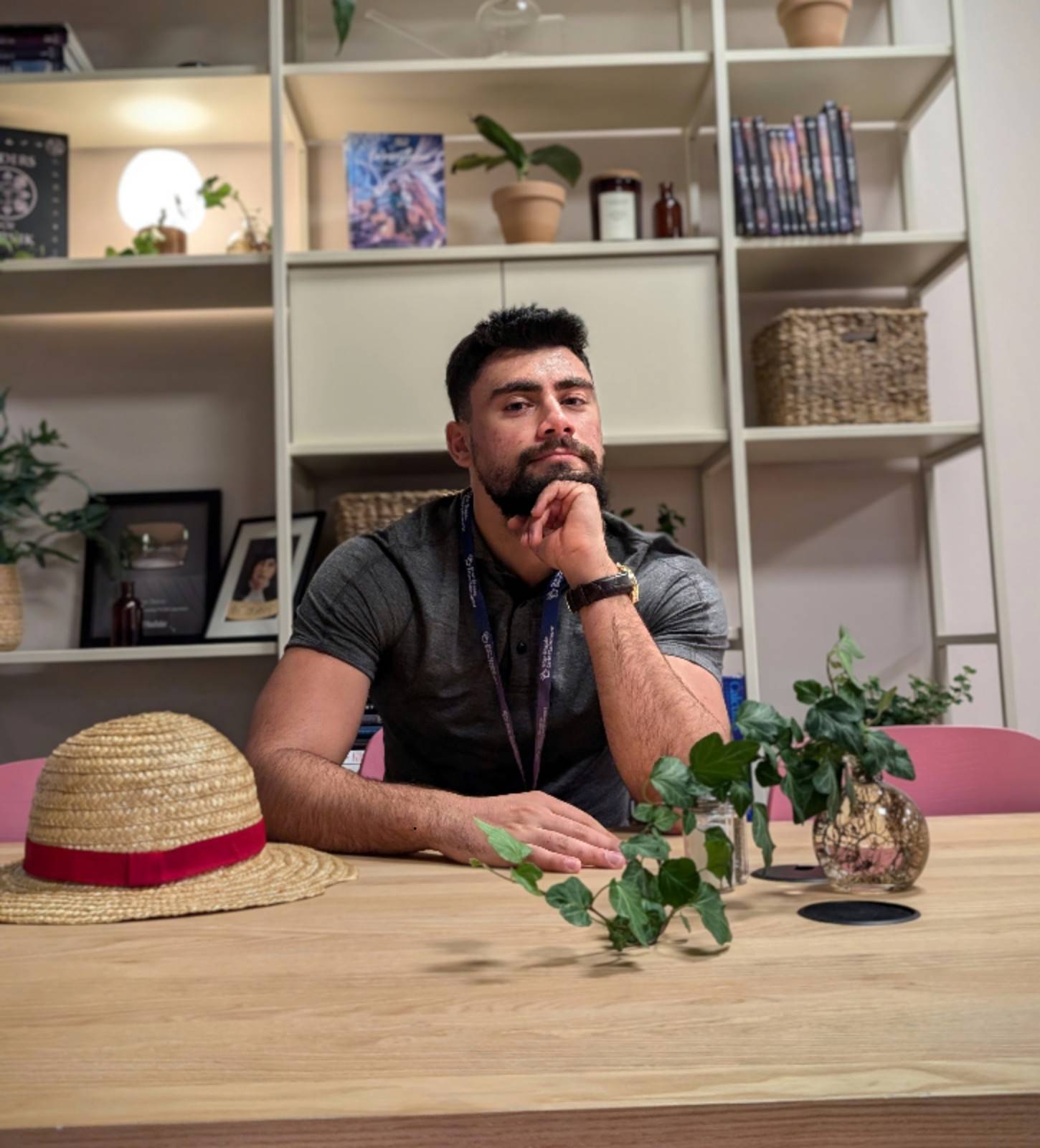
Real photo of me, patiently waiting for your DM.
Copyright ©Phokou Digital 2025
Website by: Do It Digital
It was a pleasure collaborating with Harry on our Live session. Unlike other experiences, it was good to get the feedback and in-put on content and successful Linked-In formats.
The support in the lead up and post event was great, this made all the difference in terms of reach and success. A very supportive and collaborative approach for reaching out to our industry.
Cheers Harry 🤗
Harry is an excellent coach!
I had a plan to strengthen my personal brand on LinkedIn, but I really did not where to start. I just kept delaying that. And then during the 1:1 power hour with Harry it became clear that I need somebody experienced to help me put a strategy in place. This is how it started.