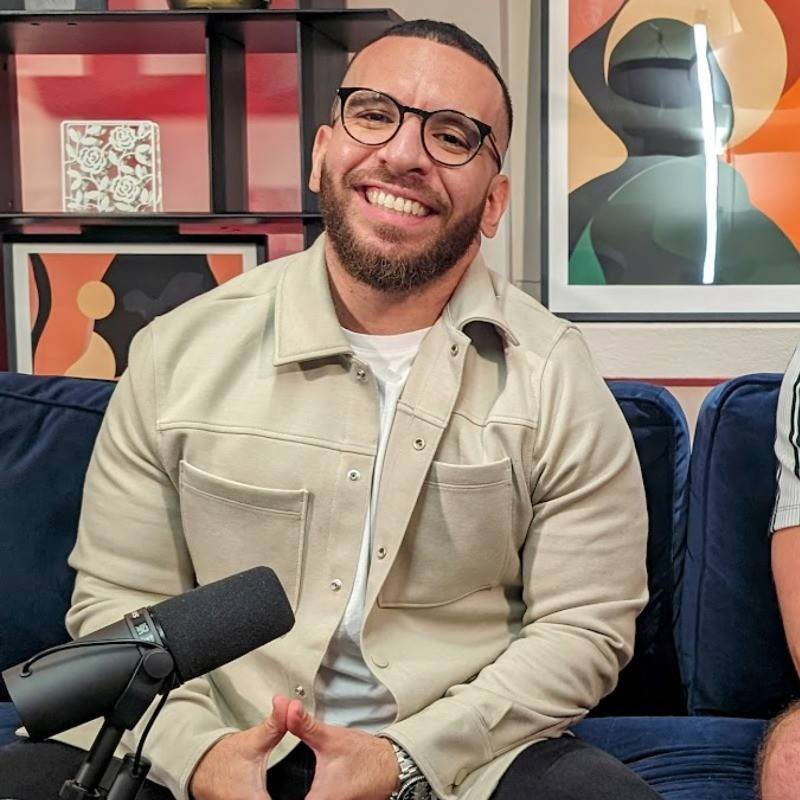
Today’s guest is Henri Lindgren, a veteran games industry leader, CEO of Kokoon Games, and former head of Lightneer.
We unpack the real side of building and leading game studios, from scaling startups to shutting down companies, rebuilding from scratch, and mastering resilience as a founder. Henri shares insights about leadership, culture, and mental endurance in the turbulent games industry, along with practical strategies for bootstrapping, raising angel investment, and avoiding the VC trap.
Whether you’re a game dev, entrepreneur, or creative leader, this is a masterclass in staying resilient when the grind gets real.
Connect with Henri:
LinkedIn: https://www.linkedin.com/in/henri-lindgren-9a388b39/
Company’s LinkedIn: https://www.linkedin.com/company/kokoongames/
Connect with Harry:
LinkedIn: https://www.linkedin.com/in/hphokou/
YouTube: https://www.youtube.com/@hphokou
Instagram: https://www.instagram.com/hphokou
Get exclusive podcast recaps & industry insights: → Subscribe to The Gaming Playbook Weekly at thegamingplaybook.com
Chapters:
00:00 Intro
02:30 Henri’s 16-year journey in gaming and founding Kokoon Games
03:44 Why resilience is the most underrated founder skill
07:22 The rise and fall of Lightneer: lessons in leadership and culture
11:37 Bootstrapping vs VC: how to survive tough markets
14:47 Building company culture and values from scratch
19:10 Tactical resilience: how to simplify and refocus under pressure
22:41 Time blocking, focus, and managing chaos as a founder
26:34 Surviving event season and keeping mental reserves
31:22 The myth of the solo founder hero
33:47 Hiring smart and avoiding premature scaling
36:17 CEO loneliness and coping with leadership isolation
41:19 Raising angel investment vs VC in 2025’s market
45:47 Cap tables, advisory shares, and avoiding equity mistakes
49:20 The state of Finland’s games industry and what’s next
55:44 Inside Kokoon’s new party game and design inspiration
01:02:06 What Henri’s playing right now & closing thoughts
When we’re talking about it now, it sounds very obvious, but then we’re not seeing resilience training. I mean, I haven’t seen many of it, right? I’m
wondering when did you make this realization that it was so important? I feel about resilience being a very
important trait because the [ __ ] is really hard at the moment for CEOs, founders, but also many other leaders
out there. We focus mostly on practicalities like how do we build a great game? How do we build a marketable
game? And not necessarily, okay, it will take you 52 tries to actually get there. Today I’m joined by a 16-year games
industry leader who’s helped studios scale from a scrappy startup to 60 person teams. He’s launched games built
on Hollywood IP, led 60 person teams at Lightener, and turned mobile titles into profitable multi-million euro
businesses. We had to make a decision of actually shutting down the company purely because it was uninvestable. You had taken the
company to a certain stage and then realization came that you know it’s uh this is not sustainable. At the end of
the day, it’s something that you know what builds your resilience. We had an honest conversation about why
resilience, not necessarily talent, is the key to surviving in this industry and had a lead through layoffs and
funding gaps. Starting as a CEO or even before that as a head of studio, you kind of like you’re still with the team, but you kind
of notice that now there’s a kind of a gap in between. To me, it was a was actually a shock like how lonely
position CEO ship can be. from someone who’s bounced back, scaled up, and is now on a mission to build the best party
games in the world. This episode’s guest, CEO and co-founder of Cocoon Games, Henry Linden.
Henry, welcome. Thank you, Harry. It’s great to be here. Great to be here. Really excited for
today. We kind of did this very by accident. We kind of stumbled across at a party in the Nordics Nordic game
conference, right? I was like, we should do a podcast. And you said, okay. True. Yeah. Surprisingly, we bumped into
each other in a party in in in the Nordics. Yeah. Yeah. And you told me like you recently raised money and you got this really
cool thing going on. I was like, “Yeah, perfect. Perfect.” So, for everyone at home, very quick kind of intro. So, 15
years in the games industry, helped studio scale from startups to kind of IPO level. So, multi- million profitable
euro businesses talking Hollywood IP, led 60 person games. And today I wanted
to talk about like the resilience like behind the scenes. What does it take to do all of this and we very easily
sometimes see the headlines and then okay what does it actually take to get there? So that’s what we wanted to get into today and also you’re building a
new business now which I wanted to get into it. So I’d love for you to yeah just maybe expand on what you’re working on right now and then we can get
straight in to the show. Awesome. So um yeah I’ve been in the
industry for for 16 uh 15 16 years. Uh I originally started as a producer back in
the day doing PC games and in in Nitro games in Finland. Uh then moved to
another Finnish company uh a bit bigger uh 60 people team leading casino game development and then 2020 jumped into
the head of uh uh lighter as a CEO. uh that uh was like a four four year gig to
me and and now uh on building on that team building on that foundations uh we
are we have set up a new company called Cocoon Games uh our mission is to bring people
together through through play and and and how we aim to do this is through uh very accessible uh next generation party
games. So so that’s kind of what we are are very uh very enthusiastically
focusing on at the moment. Beautiful. And yeah, I’m definitely your target customer. I’ve played
all the Jackbox games. We were chatting before the podcast and I’m definitely excited to see what you make. Lovely.
So, first question I wanted to open up with is kind of you’ve been through this cycle a few times. So, you’ve built one
business, now you’re building another business. Like maybe we can start with why did you want
to talk about resilience for this podcast? Do you feel like it’s something people don’t speak about enough? Um I do
uh I do and and um I also wanted to speak about something that you know I think in in your podcast you have had
great guests talking about you know uh how how to run a great business. You know Henrik Leser had a had a great
episode on on on what to do as a as a business owner and and where are the like fundamental things as what you need
to be focusing on when when you know at at the moment in 2025 when when when
[ __ ] is really hard. So uh I I guess because the sheet is really hard at the moment for for you know CEOs, founders
but also many other like leaders out there uh I just wanted to speak about
resilience and and how I feel about resilience being a very important trait
whether you are a CEO whether you are a you know a founder or or any kind of
team leader out there. So or or just you know developing games. So it’s a I think
it’s a it’s something that you know we um it it it’s a I think it’s it’s a it’s
a fundamental thing that you need to kind of have in order to be successful. Uh but also something that it is it is
not spoken that that much like we focus purely or or mostly on on the kind of
like um practicalities like how do we build a great game? what what how do we
build a marketable game and and not necessarily a like it will take you like
52 tries to actually get there. Yeah. And you obviously lived it. And it’s interesting like we hear soft
skills. And I think that’s becoming more normal to talk about and how important they are like the intangible so to speak
where it’s kind of easier to measure like how fast does this person write content like in my world or how fast do
you write code? But then if you don’t quote unquote survive or you don’t like stay in the business or mentally check
out then it doesn’t matter how fast you write or it doesn’t matter how fast you code. So yeah, it’s definitely when you
when we’re talking about it now, it sounds very obvious, but then we look at it in person like we’re not seeing resilience training. I I mean I haven’t
seen many of it, right? Or so I’m wondering when did you make this realization that it was so important? Like did you see this happen like when
you were building your business? Where did you kind of realize that it wasn’t something that we are talking about
enough? Um that’s a good question. Uh I I think for me it was uh I I started uh going to
this um like um um like a business coach uh psychological coach training uh a few
few years ago. Uh and I guess in there I I kind of like learned uh resilience
skills and and I I learned much about myself uh and and realize that you know this is something that you know we we
really don’t talk about. This is this is at the end of the day it’s it’s a fundamental thing for for any founder to
to be trained on and and and you know then then you as a founder can also help your team members to kind of you know
you can facilitate that to to your team members. So, I think uh I think that was that was kind of the point uh let’s say
like I don’t know like four four years ago uh when I when I realized that hey I mean I’m I’m getting better at this uh
and maybe it’s something that you know you know we should maybe talk more about. Sweet. So maybe take us back to
lightener. So with lightning that grew and grew and grew and I’m guessing there
was probably many moments where you thought this might not last or what have you cuz you’ve went through the cycle
right? Um maybe take us to a moment where kind of you felt that right maybe you felt the
fact that okay I need to make a decision here or I need to you know keep going otherwise it’s over. Um
could you take us maybe to that moment in time? Yeah. So um okay I I guess like
to understand uh the concept or the the context a bit better. Uh so so lighter
back in the day was uh uh founded as a as an education game company in 2015. Uh
it took couple of pivots and then 2020 when I jumped in uh there was you know
leadership changes happening. There was a lot of like uh team members leaving the company and you know there’s quite
quite a turmoil uh going on. So uh I kind of jumped in well on the hind side
I I jumped in in a in a easy place because my my my first you know gut
feeling was okay we need to first fix the team and get the culture right and and everything right. So I it was kind
of like a very fertile ground to start building on uh as as a new CEO like I I didn’t inherit like too much of the like
previous stuff that that were that was happening. So you built like a culture. It’s kind of like you had a new founding
or a new beginning for the company. Exactly. Exactly. And that’s actually what we what we initially started from. So we we started to build the culture
from from very ground up. So uh you know setting up new values with the team talking about what what are the things
that you know are important to us and and you know and and at the end of the day that really paid off. uh we we got
couple of really successful games and and really the the ship started to turn and you know 20 2122 were were really
really good years for us and uh I I guess you know talking about the resilience it’s you know you need to
keep the resilience uh in in the in the uh you know good times and bad times so it’s
it’s uh but but yeah it’s a it’s for for us it was um and and for me especially
it was I um 20 23 24 when when you know the u the
wave started to turn a bit and uh for for us it was basically uh a decision of
of like where do we get additional funding and with all of the pivots that
had happened and uh in after 2015 our cap table was quite uh how would I say
it uh busy quite busy quite quite challenging. So
uh um so so we we we just like ended up we we had to make a decision of of
actually uh shutting down the company purely because it was uninvestable. uh so um that to me was it was it was a
very tough time because you know you had taken the the company to a certain stage you have you had enjoyed you know with
team and and then you had to you know the real realization came that you know it’s uh I mean this is this is not
sustainable and and and you kind of need to um when you needed to you know bring
that to the team it was it was quite uh quite um um it’s not fun.
Yeah it’s it’s not fun. It’s it it wasn’t fun but uh at the end of the day it’s it’s something that you know again
what builds your resilience you know these are the things that you know uh when you don’t give up you just you know
take learnings and and understand that okay these are the things that I’ll I’ll not do in my in my next company these
are the things that I will continue to do these are things that we did really well these are the things that you know
have have to be you know sorted out somehow so um I think that was a great
great great learning experience for me and and the rest of the team who who now are are working with with Cocoon and uh
uh we’re we’re kind of building this from from from ground up with that team. So yes, sweet. I can imagine it’s hard but
it’s also like looking back I can imagine it’s like part of the chapter of the story you’re going to tell, right? Like it’s it’s
for sure it’s a chapter. But you mentioned a couple things there of like things you might do differently, things that you did well. So if you could kind of sit
Henry in front of you and you know a few years ago is there anything you would have told them um knowing what you know
now um thinking for people at home here who may be in a similar situation where you know they’re looking for where the
income’s going to come through should we bootstrap our way should we reimagine ourselves should we go and raise money
like what would you tell Henry a few years ago I guess what I would tell Henry a few years ago would be different to the
Henry like what I’m telling at the moment purely because of the market has changed so drastically uh I at at the
moment how we are building cocoon is we we definitely want to bootstrap as as long as uh kind of um feasible um uh so
so so basically um the the reason is that you know um VC funding at the
moment I I feel is uh it it’s um kind of unreachable for or or not not maybe
unreachable but uh it’s it’s not the best move for many of the studios out
there. Um I mean if you are um a Turkish studio that you know is developing you
know match three game and or or you know you have a good uh hybrid casual game
that you know is is is starting to pick up. Obviously VC funding is is your go to it’s it’s fuel for the fire. It’s
it’s something you know it’s a rocket fuel that you know boosts your to to the next level. Um we’re not there yet. I
feel that you know you first need to build the game find the find the perfect kind of like product market fit
understand your audience first um you know we have raised an angel around we have a couple of projects that we are
working on with the really well-known publishers that are are helping us with uh you know getting our cash flow
positive and and really kind of building this from you know from strong
foundations and and uh you know doing this allows us then you know take the
the the the next investment round like let’s let’s call it a seed round at at
some point. Let’s let’s let’s say a year from now we will raise a seed round
uh with the game that we are currently currently building. So uh it it gives us
a more advantage advantaged position on the negotiations but also you know it’s
it then it starts to make sense that okay now now we have we haven’t lost much uh you know equity uh with few
angels on on board and you know we are in a in a good position in in that way to to kind of start those negotiations
with these uh that doesn’t mean that we are not talking with these obviously we want to you know let let them know where
we are like, “Yeah, keep the door open, stay flexible.” Right. Exactly. Yeah. Yeah. And when when the
time comes, then they know that, okay, these are these are the guys with that kind of game and and Yeah, we we’ve
talked already quite some time, so let’s uh let’s start the proper negotiations now. So that’s interesting then cuz if
I’m playing that out then if you’re bootstrapping and using angel investment then you kind of need to survive for a
bit amount of time whether that’s with the runway you have to get to a state to raise the seed round or even maybe
launch a game if someone’s listen to it make some money and then go and you said something earlier which has been on my
mind personally so I’m about to be hiring and I’m like writing my job description I’m like ah I don’t have
values at least not written down you know and you said it was very good when you did that at the previous company. So
I’m wondering I guess for any founder listening or leader listening to kind of
build a team that wants to stay and will stay through the bad times. I think is easier said than done.
Yep. I’m wondering like does values play a big part in having a team that wants to keep going with you even in the bad
times. Um I think building a culture definitely is important. Uh I feel that in a
startup it’s not as important as in a more established studio. So um when you’re building a startup
your your focus I think should be on on you know getting the the product out
there iterating on the product getting that uh kind of uh loop as uh efficient
as possible but at the same time obviously you know culture is important. You need to uh consciously build uh your
team. You you consciously need to build your culture ways of working the the principles of of your company and and
your team. uh whether you want to set up values uh I think that’s that’s a tool that helps you to to set up uh uh then
communicate the culture in a in a more efficient way. So just so I understand values helps
with hiring more than like in your opinion like is it is it a hiring tool
more or is it something deeper? Um it I think um values are a tool to help build
a culture like culture is a is a is is a vast kind of like concept that you know it’s in in between the cracks and in in
the communication of of uh of the team members and I think values are something
that solidify whether you are using values or some you know these are our principles that we are using in as long
as you communicate your values or communicate your culture very clearly. Okay, this is this is the way that we
work. So when you are hiring, you know that okay, that’s probably not a good fit for our our culture and and then
again that person might be a really good fit. Uh but I do feel that culture in general, it’s a it’s a tool. It’s not
only a kind of it’s not only a recruitment tool, it’s it’s a tool for you know leading the company to a
certain direction. It’s a it’s a tool in in your toolbox to you know lead a a
larger team. But when it comes to um uh to a startup um I don’t think your focus
should be necessarily building values and building culture. Obviously it has
to be there but it’s not your primary focus. You need to survive. you need to build a product and then uh while doing
that uh I think you you should you know at the same time think about okay what
is the culture that we’re building for example what we are doing with uh with [ __ ] is that we we have decided with the
team that we will continuously and consciously think about how we are working what is the way that we actually
work and and then like uh in certain intervals come back to it and okay like
this is the way that we have worked these are the processes that we are using these are kind of the uh um
principles that we have so far used. So let’s start to solidify those one by one. And I think that’s kind of like uh
um again building the foundation. So slowly kind of building that culture, building that you know principles for
your for your team. Um yeah, just one stupid example that we we just had a had
a team night out and and we were all like um we are kind of all uh we love
rock bands and and we love rock music. So uh AC/DC’s uh what’s the what’s the
song? Um uh it’s a
wait it’s a it’s a long way to the top if you want to rock and roll. And when we we we were
we were listening to that then we were like guys this is our hymn. This is kind of like this is our song. So so it’s
it’s something that you know uh we we feel that you know it’s it it takes time to actually be on the top. It it takes
consistency it takes resilience to get there and and I think that’s like a just
an example of of what you know how you can know build culture and principle.
Yeah. So, if we know it’s going to be hard and everyone’s bought in, but like how do we actually come back? Cuz it’s
one thing to say we’re going to be resilient, but like you went through this, right? You had the pivots. So, I’m wondering
maybe I keep saying this like take me back, but I’m just thinking like in one of those pivots maybe it was like ah
like how do you bounce back knowing like okay this is not ideal right now. Um some context here for maybe from my
side. So, like I almost decided never to scale the agency cuz I kind of I’ll take
ownership. I basically failed hiring a writer like six times. Like every time I hired a writer,
the reviews on my side took more time than it saved me and I paid money and I was like, I can’t. No one can write like
me. I was like, ah, I just can’t do this. And I just gave up. And then magically, I ended up essentially
bartering advice on how to do outreach. and he helped me with some content systems and over time it’s like oh do
you want to write and then it worked like oh do you want to go full-time and then it worked and now I don’t write anymore and now we’re hiring a writer
but it kind of happened by accident right and literally because I just found it very hard and I was like I need to do
all this other stuff I don’t have time for this that’s kind of how I was thinking um about a year ago basically
and I’m wondering in your situation like time gets hard and then sometimes you feel like ah I I don’t know the feeling
of wanting to excuse yourself for not doing the hard thing, right? Which for
me, I realized the only thing I had to do was hire, but I was doing everything else apart from hire because I was like, “Ah, it’s too difficult.” Yeah, I think
that’s a great question and uh I guess I I guess um uh kind of that that also
goes to in in this kind of tactical resilience in in the dayto-day and the week to week like how do you how do you
manage the crisis decision making and and when when when [ __ ] is getting real and uh you know how do you operate under
pressure uh and and and to me it’s it’s it I don’t know like it it’s you know
simplicity like just, you know, clear everything out that that you you
necessarily don’t need. Like first calm down, sit down to think and and cuz at
at the moment when you’re you’re when the [ __ ] is getting re real, you you’re not in a hurry anymore. The the you
know, [ __ ] has already hit the fan. You know, we need to, you know, start start making like good decisions. So you know
sit down, calm down, sit down to think and and you know simplify everything like what is what is the thing that you
need right now like is it to you know preserve cash or is it to you know you
know do a hire or like uh free up free up time from yourself and how do you
then do that and or or what what is the number one need that that you that you
actually need to do and and then focus on one thing just one thing at a time And I think that that’s one one of one
of the one of the kind of worst things in in this current um kind of um social
media climate is that you have so many things happening at the same time everywhere all at once. So it’s it’s
it’s kind of like you get this like okay I need to do so many things at the same time but you actually you shouldn’t you
just like do do one thing focus on one thing. Yeah. You’re speaking to someone who’s suffering not suffering. Not suffering. Yeah. I’m
suffering. Basically, it’s because of this, man. It’s so juicy and I’ve got like ah it’s just so many
different notifications. Like I’m doing a rebrand right now. I’m hiring. I’m doing content editing. Had to prepare
for a holiday. My girlfriend needs to go on a date. I need to plan the date. And then
I’m wondering I feel like ah like maybe it’s just a practical task situation. Like I almost
relearn the lesson every now and then. I need to write [ __ ] down and then just do that stuff. And then I after a while I’m
like, “Ah, things are looking good now. I’m going to add more tasks to my task list.” And then eventually something happens. I’m like, “Ah, no. Now it’s too
much. I’m doing the stuff that isn’t like um maybe this is a tangent here, but on a recent podcast, Diary CEO Kevin
Olirri, he said Steve Jobs had this concept of noise verse signal.
M and back then people weren’t really talking about it that much. But Steve Jobs was really clear like the things that the founder or the
person needs to do there’s 80% of stuff in the day where it’s just not it’s noise and you just need to do the signal. And
I’m feeling like I need to get better at first identifying what signal is and then just actually doing the signal and
not doing the shiny object. Like how have you managed to do that? You got any secrets to like kind of focus on the
task at hand? Yeah, I think that that that is a great question. Uh, I think everyone has their
like the bet it’s not like there’s no silver bullet that works for everyone. I think like everyone has their own ways
of of organizing their work. For example, I haven’t used a to-do list in in years. Like I like really Yeah. It
just it just doesn’t work for me. Like I I I can’t work with a with with a list because I I put the list here, I put the
list there, I put, you know, stuff here and there. But calendar is my kind of like to-do list. Like if I have I know
that everything is my in my calendar I just time box stuff there like I need to do that I time box it like I it probably
take it’ll probably take like let’s say an hour I time box hour and a half there
hour and a half there and and that that is also like it like going back to the resilience I think also that will help
you um when when you time box stuff and and have like proper leeway to your to
whatever you’re doing whether it’s you know hours or days or weeks weeks uh then it there’s more reserve that you
can then you know when when something else comes that something more important or something crucial comes to you you
have that time and and focus in your reserve that okay now now I do have this time I do have this like focus because I
haven’t crammed my calendar completely full uh because you you know change is happening constantly you always get you
know bombarded with new stuff and and you know all of the sudden new crisis appears and you just you need to have
stuff on on your reserve your focus and your time and and I think that’s just
important that you know you don’t you don’t cramp your yourself in like too much because that then you come to this
like very reactive mode of I will react to that I will react to that I will react to that not like proactively
planning what you’re going to do and and adding value to to what you’re doing so I’m not sure if that kind of like answer
your question but it’s a bit bit of a tangent but no it’s Good cuz the one thing there’s
no right way I think is the important thing like you need to test these things for example I’ve tried to do this and I
tried only calendar but then I tried this calendar called motion which automatically schedules your calendar
but then I just used to get disheartened because if I had a bad morning it would just forward everything over and I was
like oh my god now I have nothing I failed and then I don’t like to look at my calendar. Yeah. Um, so yeah, it is it’s definitely
tricky, but I think knowing that this is just the human experience and that we just all need to have a different kind
of approach and then test it and then we’ll find what’s kind of working. But I think the thing in reserve is definitely
very important like this week actually this is a good I have a question for you. The if there was no events or no
travel or no like conferences or all that stuff I feel like I’d be on cloud n. Now I have a two week block where the
next two weeks I have to travel and for me conference also means the week before and the week after is more calls but
also I don’t do calls during that week so it’s even more and then what usually happens I don’t know if this happens to
you it’s like okay I can’t go gym today which is the worst thing you should do but like I don’t I don’t train and I
maybe sleep a bit less and then I come back and then I need to get into the mold and then before I know it there’s another event coming on. So like for
founders that are traveling, I find it like I find it personally and the founders I speak to because I go right
for them, right? Like after winter they’re cruising and then as soon as event season comes and it’s
like okay now we’re all over the place. Um so what happens when you have a plan
but then you get these conferences, you get all these things coming in and they’re like okay the plan is now gone and I feel like we go back into reactive
and now have to restart and become proactive again. Yeah. Um no that yeah you you touched on
on many things that that like I was taking one at a time. So um I guess like again that that like
being adaptive uh and and like um reacting to to certain situations.
society. I think that’s also know part of the resilience is that you you constantly need to be able to to adapt
and when it comes to to you know uh event season or anything else that you
know is disturbing your your found fundamentals your your basics of of you know this this resilience or mental
resilience I think that that’s you know you just need to somehow get it get it
right or you need to plan them accordingly because you know your sleep and and and and your exercise and and
your food. It’s it’s kind of that that’s the basics of your your you know your your well-being, right? Um you know,
some people do mindfulness and and uh you know, meditation. I don’t like I I play Warhammer 40k and and that’s my
account. That’s my mindfulness. Yeah. Mine is ballotrol. I’m slowly slowly completing the game. That’s my favorite
thing to do. Uh but yeah, it’s uh I don’t know like
I’ve I’ve been struggling with the same thing. Uh I haven’t I haven’t uh fixed it yet. Uh but like the only thing that
I I I have done is just to you know try to save the the morning times in every
event. uh you know you go for a run and and you you sleep a bit better and then have your your you know good meetings
and and you know the the quality meetings uh on the on the latter part of the day then you get your like the
basics and the and and the fundamentals. Yeah, I’ve started doing actually that’s interesting you saying that I’ve started
doing that for my dayto-day. So I have no meetings before 1 p.m. Right. Um that’s my like my role now
which yeah another challenge is waking up and then actually starting work um as soon
as I can because I need to be my own boss there. The nice thing is at events I’m delaying the start
in meeting more and more. So I think now I’ve also done like 11:00 a.m. is the first meeting I will do cuz every time I
do a 9:30 or 10 a.m. the night before I’m like what have I done? Why it’s just like very important to just like have
that slack, right? You need that exactly time to just be a human and just like rest or
Exactly. So things will come up. Exactly. And again like going down to your reserves, you know, if you if you
do a an an all nighter at the karaoke and and or and or or whatever, it’s you
know, the events are events. Uh then you you also need to somehow slightly like
return and and have like rebuild up your reserves back. So, uh, but yeah, like
that that’s the only thing that I’ve I’ve noticed that that has worked for me. Um, but, uh, like I’m sure there are
a lot of people that are are just like, you know, you know, raw dogging it from from 8:00 a.m. to 8:00 a.m. and, you
know, every day and like hats off to them. I’m I’m not one of those guys that
the ones and I think the ones that claimed to be able to do it, if you actually looked at what they were doing. Yeah. Like a lot
of people say, “How do you have so much energy?” I’m like, “I’m just not drinking.” And I don’t get how anyone just drinks every single night and then
expects to like recover. It’s like you’re paying a price. If I’m going to drink, it’ll be one time. And but yeah,
recently I just especially at events like I used to once or twice and I was like, “It’s just not worth it. I need my
sleep.” Yeah. Yeah. Definitely. Sleep is super important to for recovering and just
just for, you know, getting your your head in the right place. So, totally agree.
You mentioned once like the myth of the solo founder hero like the founder is
going to come and kind of save the day and I was definitely this solo founder hero a year ago. I’m doing better now.
Um I’m wondering have you ever felt this yourself? Have you ever kind of come out
of this so to speak? Like the solo founder hero like why is that a trap? Um yeah, I guess the um kind of the the
solo hero uh solo founder hero is that because well obvious as a founder you
you will be wearing a lot of hats. You will be doing this, you will be doing that in in um you know if you’re working
in a more established company you have more focused role whether you are the CEO or team leader or whatever you’re
doing there you have a you have a way more focused role and you’re focusing on on that. But as a as a founder, whether
you’re a solo founder or you have a team, you you kind of have to have as as
many hats as possible. Uh but I guess like um
you know, you you actually with with a co-founding team, I think at least for
us, uh it it’s something that you know, we kind of um the synergies are are way
stronger. So the the things that I lack uh are our designer is for example very
very good in uh where he is lacking I can I can you know help him out you know
in in in many ways uh the same applies to our CTO you know it’s the you don’t
have to do and I I don’t think like if there’s a possibility that you can have a founding team uh that that’s that’s
you know I think at least that’s that’s better but but again like in in your case I think It’s just, you know, it’s
uh because you you you can do so many things by yourself and and you you have
the ability to to do uh most of the things by yourself until the point that you kind of can’t
anymore. So then then it’s good good sign to hire. And I think that that’s something that I learned in uh in in my
previous roles is that you know hiring only when it when you’re feeling like this like when you’re feeling that okay
now okay now I’m now I’m going to you know you know burst if I if I don’t get a you know get a hire uh and you know
I’ve made the mistake of of hiring kind of okay we we it would be nice to have
someone to do this and and and ah At least in the beginning, you shouldn’t
like I think you should only hire when you actually actually like have to hire.
Why? Why? What happened? So, um for us, it it just pure pure like
uh casting like it it costs money. Uh the your your your burn rate increases
and the value that you get from that burn rate increase isn’t nearly as uh
you know um significant as it would be that. Okay. Now I now we need to have
someone in this role otherwise we we can’t you know push forward. We can’t add any more value. We can’t do this if
we don’t have somebody here. So so that is that is a mistake I’ve done in in the past that you know okay we we we kind of
um that it would it would be nice to have somebody to do to do this and uh
you know it’s not not going to do that again. Yeah, it’s not the plan. What we’ve been doing here is I’ve got access to a
virtual assistant agency. And for example, I used to do all my reports for clients. Used to take me
like a good two hours each time. Y and I just dreaded doing them because of
it just felt like I was just fighting with the data and I was like writing it all down. I was like, ah. And yeah, I
nearly just either stopped doing reports. I was like, I’m going to hire someone. I then did a Loom video and it
took a bunch of kind of back and forth, but now we have virtual assistant and we
just increase her hours every time and the only thing she does is reports. She has her own other work over there. I was
like a so much better rather than like hiring someone just for that one role cuz like no one wants to just sit there and do
reports all day as a full-time position. But it makes sense if someone else. So that’s what we’re doing here. So just if
it’s an individual task, either look at AI if it’s an admin task or you know try to get someone in to just help with that
thing on a repeatable basis. Yeah, we’ve had a lot of success with that. No, that’s super smart. And you know if
you if you can take one uh one thing uh one task or or you know a group of task
and and kind of outsource them so to speak uh you know that that’s great and I think definitely you should then you
can you know focus on on what what where you add the most value. I think that’s that’s the whole uh you know that that’s
your role right. So for sure I want to chat about loneliness a bit Henry. So, I wouldn’t say I felt
lonely, but um like the feeling of being lonely
within the company. I don’t know if that’s a way to describe it where you’re like, who do I talk to about this issue without sounding like I’m complaining?
Yeah. I don’t know. So, I don’t know if you’ve ever felt like that loneliness. I think CEO loneliness or something like have
you ever felt that? For sure. And like to me, I think that was one of the biggest shocks when I
started as CEO. Like I come from a producer background. Um like I I started
as a producer. I worked as a producer for like like eightish years. So So my
role was like very close with the team. I I talk with them every day. One of the most social roles, right?
Exactly. Yeah. And and you know, you go out, you know, you drink with the team and you know, you have fun with the team
and it’s it’s like very very close. uh you know starting as a CEO or even before that as a head of studio you kind
of like you’re still with the team but you you you kind of notice that now there’s a now there’s this kind of like
gap in between and you know um it it to me it was a it was
actually a shock like how lonely a position CEO ship can be. Um, so like I
don’t know like I I guess I’ve already used to it but uh I think for anyone you know wanting to be a CEO that’s
something that you know you you need to you need to be aware of that you know
it’s it’s a it’s a lonely place. You need to make a lot of lonely decisions. Uh and uh no matter how close your you
know board members or you know advisors are you still are alone alone with your
decisions that you need to make. and in your role that you need to you need to be in but you said you’re doing that differently right you said you’ve at
least in this new company you have a founding team and people have different responsibilities sure um it it is slightly different but
I still feel that you know as a CEO you have the like you have the legal responsibility and the responsibility of
the whole whole company and the team so so there is uh there is a difference
there is there is a slight gap in in between you And even the founding team obviously we are very close and we we
try to you know see each other as much as possible. We you know do outings a lot and so on but still like you there
there are certain decisions that you you’re just alone. You you you you run the company in in that sense alone. So
in that sense like I I totally feel you man. It’s uh yeah, it’s interesting you you’re saying
that like cuz my head my solution was ah let me just join communities or let me
get a business coach and I get someone external and chat to them about work but they’re not in the company. I’m just
hearing what you’re saying like at the end of the day they’re not there. Maybe this is what
I’ve made it a very self-centered podcast here but I guess it’s just I’m resonating a lot but I’m just thinking the question I have here is like is your
company remote or do you work in an office? Um we we actually we don’t have an office uh but we either we we don’t
work remotely either. So we we try to see each other at least once a week for for a few hours just to you know first
of all see each other talk talk about stuff uh and then to kind of plan the week. So we sit down on on Mondays at
least uh to to to really kind of like uh you know go go through the week’s plans
and and so on. But I think first and foremost it’s about you know just physically being there and seeing each
other and talking. Uh but we try to do that uh like often like for example
tomorrow we’re going to this uh arcade bar in in in Helsinki to play some party games and and drink beer and and you
know just like to take it easy a bit and and you know to to to bond as a team. I think that’s that’s super important like
uh like some teams are completely like totally remote. Um, personally I don’t uh like I don’t I don’t understand how
it works. Uh, like it’s not my philosophy of of of running things, but if they if they can get it to work, then
amazing. Like that’s uh hats off. Like it isn’t your team you said was remote for four days of the week.
Um, yeah. Yeah. But we we are still in the same city. We we can see each other anywhere anytime that we that we want.
Uh, and and to be honest, like I don’t I don’t see why people should be sitting
next to each other. Like it doesn’t really add any value that you sit next to each other every day, every every
hour because you still have your work that you are you’re focusing on like our our CTO is is very focused on coding. I
I don’t think he needs me in his back asking, you know, ho how is how is coding going or anything like that.
Then maybe that’s why it feels lonely, man. I mean could could be could be um
uh but but yeah I don’t know like it’s uh that that that actually could be one solution to to try out to you know see
even more. Yeah, it’s interesting. Um thought I’d just quickly ask for the founder
listening that may be looking to kind of raise money or you know do that because you’ve successfully had an angel
investment round and you’ve done that before. What would you tell that person who’s looking to kind of raise money in
today’s market? You did mention earlier that VC money is probably not a good fit for everyone else, but sorry for a lot
of people right now, but for example, angel investment, like how do you even approach that? Is that just through friends? You need the network before.
Can you get angel investment without having a big network? Like any comments on like raising money right now?
Yeah, great question. Uh I think um I said BC money can be a bit challenging
at the moment and I I do understand it like BC money is for you know they their
expectation is to 10x their investment and in this current market where you know we the past 10 15 years have been
especially the 20 uh 2010s had been amazing like it it just growth over
growth just purely because of mobile boom and you know then you could easily
get an investment of of like or at least way easier get an investment than nowadays. Um, beces are are more
reserved. Bees are more kind of okay, they are they are picking their battles and and that’s totally understandable.
Like uh don’t don’t get me wrong, like there’s nothing, you know, wrong about that. Uh but that what that just means
is that you as a as a founder and a studio owner, you you need to be, you know, mindful of that. you know, you you
need to build your first product if if it’s not, you know, I said if you’re not in in Istanbul building a match three uh
studio, you you might have, you know, you you might need to look into alternatives ways of of funding funding
your studio. And I think this comes to then to the VC invest uh sorry, the the
angel investments, which is one way of of actually getting getting your getting your studio off the ground. uh we are
lucky to have great uh angels on on on board uh and and we got them through uh
both uh our personal connections but also from just like networking and and
network connections that that we have made over over the years. I think it’s u when it comes to angel investment it’s
important to also understand and know which angels you are you are uh
approaching. Um, if you have a PC studio, um, you probably shouldn’t the
the ones that are going to invest into you aren’t the ones that have made their money with, you know, uh, mobile freeto
play. If you’re building a a a, you know, premium PC title,
um, you know, maybe approach the the the successful um, you know, founders from,
you know, PC world, you know, it’s what they understand, so they’re more likely to pull the trigger. Exactly. That’s what they understand.
that’s what they’re passionate about. Uh and and for us as well like it it was more mostly you know uh we we approached
people that come from the mobile background and and you know understand and and you know uh you know live that
uh or have have been living that world. So it was you know it I think that’s that’s just one thing that you need to
be be mindful when when talking to angels. Um then you know when when bootstrapping
I think it’s just important to check your um like your your your cash balance
is your your cash flow is everything right so you need to be able to get you know either it’s project funding or or
al alternative ways of of getting uh funding and and cash to the to the bank
so to speak. So um you know whether it’s publishers, whether it’s some uh you
know platform providers uh whether it’s you know governmental support um I think
just go through different options and and and bootstrap as as long as you your your core game is in a place that okay
this is now it’s ready to be to be actually like uh now you can actually start pouring VC money on it. So I think
that’s just important for uh for founders to understand and and and don’t don’t get kind of like um I think we we
slightly need to declorify the like VC money but also understand where the VCs
are coming from and and kind of appreciate the the relationship the the very kind of like uh synergy
relationship that we have with the you know founders and and and VCs. So, um,
yeah, I think the the word you use there, like del glorify it, right? Like raising money is not the big win necessarily,
like it’s what you did before and after that, right? Yeah. Exactly. And and you know, if you if you raise see if if you raise a round
a big round too fast or or you’re not ready for it, then you know, all of a sudden you you lose most of your uh most
of your ownership from the from from the company. And like that’s what that’s what happened uh with lightener in 20
2015 like it was the the the ownership was completely somewhere else than in uh
in in the team’s hand or or even in the management’s hand. How does that end up happening? Is that
through just like not projecting what do we need the company to look like in 5 10
years? Because I’m sure everyone had the best intentions back then, right? So, of course, I’m guessing people will still fall into
that trap in the future again. Like, what is something that is maybe a
warning sign like, hey, you know, slow down when it comes to either raising money or what have you? Like,
I’m trying to understand where when do we know not to kind of raise a certain amount of money or not?
Like, it feels like I still don’t quite understand when is the threshold like, okay, now now’s the time to go. Um I I
guess the um the rule of thumb is that you know you shouldn’t be giving away more than 20 to 25% for for like each
round. Uh and for uh if if you do like u advisory shares be also mindful with
with those that you don’t just like hand out ownership uh with of your company
because it’s it’s very difficult to get it back like if you want I’m very confused about that. So do people I’ve heard it happen a lot.
Yeah. So they give advisory shares and that’s means they don’t give them any money. They don’t raise any money,
right? So it’s just for quotequote free advice. They get ownership and they can
get like a board seat just for the advice. Like y is that really really
is that a good thing? Is that something to avoid? Like for me that seems like why not just pay for the advice? Surely it’s a lot cheaper.
Um I mean if you if you have the cash then then then sure. I mean that’s that’s also also possible. But I but I
also think that you know giving advisor like very strategic advisor shares uh is
good for your company in the longer term purely because you you uh incentivize
the individual to to kind of work with you stay with you you’re in the same team essentially.
Oh yeah. So your incentives are aligned. Yeah. Exactly. So so if if we do well and if if you know our you know if the
company does well then you know everyone wins, right? So you’re like kind of like hiring them for free. Well, well, kind of. Kind of.
Yeah. Well, well, you’re paying them later, right? Yeah. Yeah. Exactly. And uh and and
obviously, you know, I don’t think you should have like 15 different advisors. You should really be mindful of of okay,
who what what do I need? Like, for example, in our case, we we were
lacking, you know, publisher uh and marketing experience. And that that’s something that one of our adviserss uh
you’re probably you’re a good friend of John, right? uh he he then you know brings to our to our team.
Awesome. Yeah, he was on the podcast like last week. So that’s Oh yeah. Nice. Nice. So so so yeah, that’s that’s kind of like um I think
you just like you need to be mindful of what what you need and and then just like target individuals that are are are
are good for for your team. Beautiful. Very cool.
In terms of the industry, I guess I wanted to speak on it right now. So,
I read a post, I think it went not viral, but it got a bit of chatter on LinkedIn about like the Finnish games
industry and how it’s in a very weird situation. So, this is what I see from
the outside looking in. I’ve been to Finland a few times and, you know, plans to go again for Finnish Game Week
and actually planning to do my first big event in Finland. I was going to do it in Helsinki next year. Nice. So, yeah,
it makes sense for me to live in a world where Helsinki and Finland does well
games-wise. Now, what I’m hearing or seeing, I guess, like the
is it I think it’s the immigration situation where it’s just harder to get talent from abroad and also maybe the
funding landscape there is quite hard. So, I was just wondering like what’s the situation in the Finnish games industry
like from your perspective? Yeah. Um, you’re right. This this has been like
discussed in in LinkedIn quite a quite a few times. Um, I think to understand the current situation, uh, we we also need
to kind of go back to the 2010s and and the kind of boom of of Finnish games and
and Finnish game industry. Uh, you know, everyone everyone knows Supercell and and everyone knows Robio and, you know,
there there were like a lot of companies then that that were born and and and you know, made made, you know, great money
and and some some completely exited the the founders. Uh but at the same time
like if we compare that to the Turkish uh ecosystem at the moment uh you know
Turks had the the first wave of of successful studios and then most of that
money and those founders they reinvested back to the ecosystem and then you had
the the kind of you have access to early stage funding. You had access to good talent. you had access to, you know, the
expertise that is super important to to build, you know, games and and studios. And then all of a sudden, you had the
the second wave of successful studios from from Istanbul. And what happened is that, you know, that that wave again
back to the ecosystem and you get access to expertise and money especially the
expertise and then you know um you know rinse and repeat, right? Uh but that
kind that’s not happening in Helsinki or so so that kind of like it it kind of like stopped somewhere in I don’t have a
date for you but like I I can say that it it kind of like stopped or at least diminished quite heavily uh uh like late
2010s where people who made a exit like founders and and so on they either they
moved to uh completely uh different fields like AI or or started invest
investing into into other things. Uh or then they you know they are in in in
Supercell in their their golden chains and and you know that’s and you know there’s nothing wrong with that don’t
get me wrong. Uh so I think I’ve seen supercell they invest decent amount like I I think
they’ve done the investment into metacore right but like they’ve got investments abroad as well like I saw
they recently I think converted um space ape games right yeah in London so
they are investing yes locally but they also investing outside yeah for sure for sure yeah superell has
their own investment arm uh they they have invested into great Finnish companies and and you know great you of
uh um foreign companies as well. And I think that’s like that’s one of the um
triggers that we will probably see the one of the kind of next wave of Finnish great Finnish game studios being born
from those investments and and and from from that kind of like but just just to understand the the present day. I think
that’s one of the reasons uh like the the the ecosystem and the situation
isn’t as good as it was. Like it’s not it’s not wrong in any shape or form. Like we have great studios here. We
have, you know, great talent here. It’s like the the whole um development community is amazing. We we share a lot
of information. It it’s like the the knowledge of building studios and and building like making the fundamentals,
right? And you know, uh appreciating innovation. I think that’s those are the strengths that the the next generation
of Finnish game studios are is being built. it’s not being built with the the
the recipe that the Istanbulian uh ecosystem and and games in is is being
built. Uh so so I think we just need to focus on on what we do really well,
focus on our strengths and and I think the next wave will be uh amazing. But yeah, it’s I think just like the the
lack of early stage funding and and you know people not there isn’t you know the
hungry young entrepreneurs and and talent isn’t flooding into Finland. you
know, part of the immigration stuff that you mentioned and and you know, the taxation is what it is in in Helsinki
and and in Finland, like if you if you get a flat 25% in Barcelona and you get the sun, um you know, why Helsinki?
Cypress as well. We’ve got Yeah, Cypress has ridiculous tax rates for gaming companies and like uh I know Red
Hill Games, they moved to Cypress, at least some of their office, right? Cool.
So yeah, I think um like it’s it’s not as grim as as you know some some people
might might think and being dramatic maybe. Yeah. I mean, you know, obviously there there there’s a, you know, reasons and
and whatnot, but I I think, you know, there there are great studios in Finland or, you know, whether established
studios or or then, you know, early stage studios. Like, to be honest, I’m like, personally, I’m not too worried
about it as long as we focus on what what we do, right? And and just like keep on chugging because it’s a it is a
long game, you know? It’s it’s uh you know u slow and steady will win the
race and and I’m I’m 100% you know it guaranteed that the next wave of
whether it’s game companies or or game tech and game marketing companies like we have meta play and we have geeklap in
in in housing great companies are are spewing left and right so you know it’s uh just matter of time when they break.
Sweet. I’m curious um with the party games actually it just came to mind um I
read in one of your past interviews that you’re planning to do not much paid advertising from my understanding is
more on the social and the fact that we’re playing with friends. Um so UA and paid advertising I think
that’s that’s really important still like a really important part of the of the equation. Uh I think just the uh um
the the scale that we can then achieve with the you know social aspects of mon
monetizing the uh the the the social space uh is something that we feel that
it’s kind of like this uh power level to to the UA like you you
obviously need the UA to kind of make the the UA engine needs to work as a as a as a freeto-play party freeto-play
mobile game. That’s just like that that’s the fun of that’s the unit
economy. Yeah. Yeah, for sure. Um yeah, I’m just curious on the game. Um like is it
something that you can play I don’t know how much you can share, but I’m just very curious. Is it going to be
something that you can play like six people plus? Is it going to be I had this come up on the marketing podcast
that we do. Yeah. Um, is the game going to be quoteunquote like stream streamer friendly or YouTube friendly or is it
going to be more local um playing? Yeah. Um, great question. Uh, where do I
start? So, the the game is a is a is a physics-based arena battler. Uh, you you
uh I think it like the inspiration from the game actually comes from a very old
Warcraft 3 mod called uh Warlock. Uh it’s it’s a it’s kind of like a it’s a
it’s a party game and it’s a land game that we used to play a lot with with my friends and it’s just like u it’s a
physics based mayhem that that you you try to kind of knock out people from from from the arena. That’s kind of the
basics of it. Uh obviously we will have different game modes like you can you can you know play uh you know you have
you have football mode or you have you know ice hockey mode or you have you know you know zombies you have a co-op
mode with your with your friends and so on. So I think it’s just important that you have you know this is the mod you’re talking about.
Yeah. Yeah. That’s the one the warlock warlock brawl. So, this reminds me I used to play um Crash
Bandicoot Party game Ice Bro.
Yeah, that’s that’s also I think very close to what we Yeah. Yeah. Yeah. That’s the one. Yeah. Yeah. That’s
I used to play that with my brother all day. Um Yeah. And I was thinking you reminded me a little bit of Gang Beast. I don’t
know. Um Yeah. I mean I think as in Gang Beast it’s uh the the physics are super
important. So whe whether it’s uh you know knocking your opponents or using the environment to to explode or knock
them out, it’s uh I think the physics is is the the something that makes it uh
visually so pleasing and then you can clip it and get some clips. Yeah, exactly. Yeah.
So that’s the plan. Is the plan. It’s going to be still going to be streamable or sharable or is it just going to be like a local first game? Very just just
me being curious here. Uh, streamability is something that I think is kind of like comes with the game. It’s uh it’s
it’s very fast-paced. It’s very um like surprising. The the events are very
surprising. Uh and and it’s very easy to understand. So So basically, it is I think it’s very very streamable in that
sense. Uh I guess we’re not like designing it to be super like it’s it’s
one of it’s not one of our kind of like uh northern stars that we are following. Okay, let’s make it as streamable as
possible. But obviously something that you know we need to consider when developing the game that it needs to be
needs to be kind of YouTube friendly and and you need to have those kind of like uh clipping clippable moments of of the
game. Yeah. So you can share it. Awesome. So where can people maybe find
more about the game? Is there any um if anyone’s listening and want to check it out? So we are aiming for an alpha uh
like a closed alpha later this year uh and then uh open up to to more wider
audience uh early next year. So uh beta phase probably will be somewhere like Q
Q end of Q2 Q early Q2 somewhere there. Let’s see
let’s see how how fast. Yeah. Yeah. Exactly. So uh so yeah that that’s basically the
plan with the with the current game and and uh yeah as as mentioned we are also doing a couple of projects with uh with
u uh some well-known publishers. So uh really really excited about what those nice you’re doing multiple projects then
the multiple games. Yeah. So I think that that’s part of kind of the um uh the bootstrapping that
we uh in in addition to you know focusing on our own own game we do have
uh a couple of projects that we are running with uh with publishers to you know for short-term gains. So um you
know f finding a successful hit with a with a publisher obviously helps us but but also you know getting getting uh
monthly premiums uh is helps helps us you know with the cash flow and and getting so yeah keeps with the bootstrapping
thing. So yeah exactly. Yeah. Yeah. It’s like um a lot of studios I feel like start like that. They have the
outsourcing to keep us going and then they work on their own IP. 100%. Worst case scenario it’s not like we’ve
invested three years and then just it’s all gambled. Right. Yeah. Exactly. Exactly. and and the and the projects that we are now focusing
with the with our with our partners then uh we we have already built our own tech
and and the foundations for for our game. We can utilize a lot of those elements in in you know building uh
helping helping build the games with with these publishers. So you know I think it’s win-win for for both parties.
Yeah. Happy days. Lovely. Henry, anything in our conversation that we may have not covered today for anyone
listening? Maybe anything on kind of being a founder, anything you’d love to leave people with?
That’s a good question. Um, I don’t think so. I think we I think we covered
pretty much everything that I had in mind. In that case, I’ll ask you, what are you playing right now? Are you playing party
games or like what games are you playing? Well, at at the moment, to be honest, I’m I’m playing Microsoft Flight
Simulator purely because it it takes my uh it takes my time. No way. That’s the most random. I think
it’s the first game I’ve ever played or something because my dad used to work in the airport and he
bought it. This is I have my oldest memory of a game was actually Microsoft airport.
That’s crazy. No, it’s I I I love it because you need to focus like I have my like a rig like
a seam rig at home. So, taking me back. Yeah. So, uh, yeah, it’s just like when
you’re focusing purely on that because you need to have you need to be very focused, you know, planning your routes and flying and, you know, keeping your
airplane leveled and everything, you you’re not thinking about every anything else. You’re just like focusing on flying the goddamn plane. So, yeah.
Exactly. Yeah. So, it’s uh that’s that’s why I love it. And and yeah, in in addition to Warhammer 40k, which I play
with my friends like in in real physical uh space, that’s that’s kind of my
number one geeking out thing to do. Beautiful. Lovely. Henry, thanks so much. Where can people find you? Maybe
grab your ear, have a conversation with you. How can people reach you? Uh, well, you can reach me at LinkedIn.
Uh, Henrik Lindren, or you can you can follow Cocoon Games. Uh, Cocoon uh, I
think it’s [ __ ] or [ __ ] Games, I can’t remember which one is it in LinkedIn. And uh, uh, unfortunately I will be
skipping a lot of uh, events just focusing on on building the company and building the games. Uh but the next time
I will be available is going to be in Helsingi PGC. I’ll be speaking there as well. So happy to see a lot of people
there. Yeah. Hope to see you there too. Sweet. Thank you Henry so much for a great
conversation. And everyone at home if you’ve listened to this whole way through maybe subscribe. There’s
probably a reason. Love it. Thank you. Henry, thank you so much and goodbye everyone. Bye-bye.



Fill in the form below to request a brand audit with more details of how we work & our results
Still Scrolling?
Ok, you can DM me on LinkedIn too!
Real photo of me, patiently waiting for your DM.
Copyright ©Phokou Digital 2025
Website by: Do It Digital
It was a pleasure collaborating with Harry on our Live session. Unlike other experiences, it was good to get the feedback and in-put on content and successful Linked-In formats.
The support in the lead up and post event was great, this made all the difference in terms of reach and success. A very supportive and collaborative approach for reaching out to our industry.
Cheers Harry 🤗
Harry is an excellent coach!
I had a plan to strengthen my personal brand on LinkedIn, but I really did not where to start. I just kept delaying that. And then during the 1:1 power hour with Harry it became clear that I need somebody experienced to help me put a strategy in place. This is how it started.