Building great teams is harder than building great products.
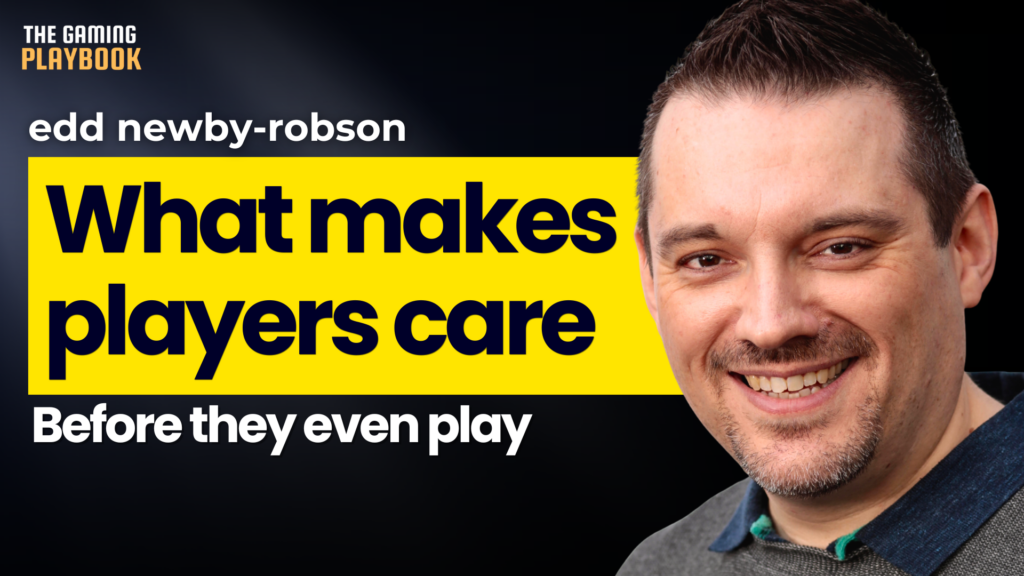
Today, I sit down with Ionuț Codreanu, Head of Studio at Funcom and veteran of titles like Assassin’s Creed and Dune: Awakening, to break down what actually makes teams work in game development and beyond.
We explore hiring mistakes founders make early, why “rockstar” employees often fail long-term, how to build a strong core team, and what remote work during COVID really changed inside studios. You’ll also hear practical advice on hiring, culture, leadership conflict, market validation, and how aspiring developers can break into the industry today.
Whether you’re building your first team, scaling a game studio, or trying to break into game development, this episode gives you real, battle-tested insight; no theory, no fluff.
Connect with Ionuț:
Website/LinkedIn: http://ionutcodreanu.ro/
Connect with Harry:
LinkedIn:  / hphokou
YouTube:  / @hphokou
Instagram:  / hphokou
Join our industry events: https://hivemind.world/
Never run out of LinkedIn content ideas again: https://idea.phokou.com/c/system
Get exclusive podcast recaps & industry insights: → Subscribe to The Gaming Playbook Weekly at thegamingplaybook.com
Chapters:
00:00 Intro
02:35 What a Head of Studio actually does day-to-day
04:52 What “building a team” really means in game studios
07:28 The biggest hiring mistake founders make
09:38 Culture fit vs skills: where most hires go wrong
16:34 Competitive personalities & cultural mismatch
17:30 Why hiring people “like you” works (and when it fails)
20:14 Profiling candidates: red flags, yellow flags, honesty
25:09 Rockstar employees: worth it or not?
26:47 When imperfect hires are unavoidable
28:31 How COVID & remote work changed team dynamics
34:33 What a “core team” really is (and why it matters)
36:38 Indie studios vs big studios: who’s actually right?
38:05 Producers, managers, and shipping games
39:30 Creative vs product conflict inside studios
41:58 How to handle disagreement without breaking teams
50:14 The biggest mistakes studios make
53:16 Why “fun” is the most misunderstood concept in games
58:41 Breaking into the games industry today
01:04:03 Unreal vs Unity & industry shifts
01:06:55 Final advice on leadership and team building
I do think you can solve things with an unhealthy culture. It’s just not worth it on the long run. If you have a good
culture and you have good people, then things will fall in place. Head of studio at Funcom, we are talking
about building teams today. A lot of experience and of course, most recently during awakening, you want to hire people and you get
someone that actually knows how to do it, but you don’t feel you you click on the short front, you will get the
results, but most likely in 6 months to a year, you’re going to start having trouble. Is there any maybe
misconceptions or any mistakes people are making when it comes to like building their core team? If it’s 10 people, you need a tech
person, you need a manager, and you need a creative. What I’ve seen with small things is that usually they don’t have a
manager, and that’s where it all falls apart. You spend most of your time with the people you work with. You’re
basically building a part of life for your team. Make it nice.
Unit, welcome to the show. Nice to be here. Thank you for the invite. Thank you for coming. Super
excited. So everyone at home, head of studio at Funcom. They just released
Dune Awakening not too long ago and we are talking about building teams today
and the goal of today is to cover it from kind of all the angles. So you has
a lot of experience. So he’s worked on obscure titles like Pac-Man, also Assassin’s Creed, and of course most
recently Dune Awakening. So what we want to get into today for the entire podcast is a bit about Inut’s story but of
course how to build teams and for the people who are building teams from the very get-go but then also as kind of
headcount goes higher and higher. So you know how does it feel cuz we were just
saying before the podcast it’s been very very busy for you right? Uh yeah, it’s
been we uh launched the game beginning of summer and uh right after launch we
had a very very busy period. We had to fix patch uh make sure that the servers
are up handle the influx of players which was a
great thing but also a stressful thing as you might imagine. Uh but uh we
actually managed after we stabilized the game to do to do it the Nordic way and
have some vacation. Uh and after that towards the fall we came back and now we
are working on improving the game, fixing what the players are complaining about and uh preparing for the big
console launch next year. Very exciting. Great. So, I want to
start this podcast with a specific question knowing a lot of studios name things
very differently. Like you’re the head of studio Funcom, but what does that actually mean day-to-day for people? Cuz
I feel like it’s very different depending on which studio. Uh yeah, it it is different. Uh for us,
it’s uh I would say it’s pretty in line with the standard. So, I’m leading the
Bugar Studio of Hong Kong. We have a studios in many locations in the world, four big
locations. Uh the headquarters is in Norway also. Yeah. And uh as I was
saying, I’m leading the Booker studio, which means basically making sure that
things run smooth, that people are happy, that we have a healthy culture, uh that we are developing our skills and
we’re improving the things that we actually can build. uh we’re improving the contribution we have to the game to
the games uh in the company. So yeah, I would say it’s a combination of uh all
the operational stuff making sure that we have a nice office and uh you know
fruits in the kitchen. Um but on the other side uh we have business all the
business uh elements which is delivering things on time or making making sure we
are well prepared for the future and uh making sure we have a healthy culture.
This is the part that I love the most. Like beautiful and we’ll definitely get into it.
Yeah. If if you have if you have a good culture and you have good people then things will fall in place.
And the opposite is also true. If you don’t have healthy culture, you don’t have good people, things start to fall apart, I imagine.
And in on the long term, I would say you can you can have a an unhealthy culture
that can work for a period of time. like it’s not super uh uh super common to
hear that, but I do think you you can solve things with an unhealthy culture.
It’s just not worth it on the long run. It’s really hard. All righty, let’s do it. So in terms of
building teams, so I want to ask you as you got into this role at head of
studio, I’m sure in your previous roles were part of building teams, but then
this is probably different with every studio. So I think for people at home, like when you say building teams, what
are you envisioning here? Like what should people keep in mind? Like what is building a team when it comes to a game
studio? I would say it’s building
a group of people that actually have the same goal.
And uh this goal can be a small one, a big one. If you’re working on game, you
might or working on a part of the game. You might have just a small thing that you want to implement like some side
quests. Let’s say let’s think of a game like Assassin’s Creed. and you may be
are implementing just some side quests and the goal is to have those side quests done as good as
possible and integrated within the game. Um, and the team there actually needs to
be passionate about what they’re building and uh have healthy interactions.
If you are building like a long last then if we’re thinking at a studio level
uh it becomes a bit more complex because you’re not just talking about the things
that you’re going to deliver in 6 months or a year. You’re thinking about what you’re going to deliver and what you are
going to be able to do in like five years from from now. And uh you need to
balance these right the short-term results versus the long-term result.
Yeah. Um having that right now with myself. So I have in my company a marketing agency and I have the writing
team and like the writing team’s been effectively in place probably since January. So I had some help now we have
more people and now I’ve moved to like more content director where I’m like reviewing quality control and one-on-
ones. But then at the same time I’ve got a different team which is the event team which is like one month old and then I’m
like oh great now I have to do this at the same time but they need different sort of attention. Then what you said at
the very end what is the master goal that everyone has and then I realize I’m being pulled in these two different
areas but we still want to get to the same area and then it started to get a lot more complicated and I have six
people like I can can’t imagine like how many people this involves in the studio.
So, I want to break this down step by step. So, when someone’s trying to build a team, even if it’s like three, five,
10 people, um, in your experience, like what is the number one maybe misconception or mistake you see people
make that kind of needs to get fixed later? Short-term thinking like you you’re you
have a need, right? Usually, let’s take your example. You you want to have
writers. So you need your goal is to have content, right? And uh you have an
opportunity. You want to get those uh texts ready and good and quick because
you you don’t want to miss the window of opportunity there. You have a business that you run. You found clients, right?
So now you want to hire people and you get someone that actually knows how to
do it. they have very good results but you don’t feel you you click with that
your company doesn’t click with the profile because of reasons right um
maybe you you’re a very resultsoriented person and you have a candidate that’s
more of a qualitydriven person and we like to really polish every little bit
of text and so on the short you will get the results. But most
likely in 6 months to a year, you’re going to start having problems because you’re going to see uh delays and you
you’ll want everything done like fast. Now, let’s get it out. Uh you know, if
it’s 90% good, we need to get it out. But then you would get into a fight
because 95% is what the writer will want. So in general it’s this type of
mismatch of personality and it might be between you as a as a founder and an
employee or even between the culture of a company and an employee
and this was our case also. Yeah. So how do you navigate that? Because I feel like there needs to be a
line, right? No one’s going to be perfect and almost we don’t want to hire like more versions of Harry because then
that is its own mess, right? We probably one Harry is enough. But like in the game studio example, I can’t imagine how
complicated that gets where you have to not only Yes. Is it a match with the
founder and the founders’s vision? Cool. But then they have the team’s vision and then the specific people in that team.
Would they vibe together? Would they vibe with the next six months? Maybe they wouldn’t vibe with the next two
months where they would vibe for the whole year. Like should we bring them in? Like I feel like there’s all these things where things will go wrong
because it’s human, right? I’m wondering like do you have any examples where you’ve seen this happen and like was there potentially a chance to like maybe
avoid it? Like uh just a quick anecdote here. When I was hiring my writers, the
first time I tried was dreadful because I had basically a paid writing task. So
I said, “Here’s a transcript. make a post and I just reviewed the post and
that was how I was making my decisions whether to get a writer. Now I flipped it recently where we have two writers
finishing a trial week right now and it was very short 30 minute chat which was
based on the values of and the vision of the company and then their personal vision checking if that aligned first
then checking if they like the process and then we moved on to the paid writing stuff and went on further. So that was
like a simple solution that I had that was really good. But I feel like how do you test that when it comes to game
development? It’s like so many things you want to test but you don’t have time because you have the realities of you don’t have 24/7 to interview people and
make sure everything’s perfect. So I’m wondering is any example that you’ve seen where we’re trying to hire someone
but it didn’t work out? Like was there something that you could have avoided or I just feel like it can be a bit overwhelming to try to get this right.
No, it can be at times and then it’s definitely energy draining. Um, congrats
uh on actually starting to hire for like the medium term.
This is a step plan. We’re evolving. We’re evolving. Not perfect, but we’re evolving.
Building. Yeah, it’s a it’s a good plan toward the building towards building a team for like the medium term. Um, but
there’s no uh clear solution, right? And uh you you were asking me about some
examples here. Uh we started to the studio four years ago and we we had like
various steps uh in its uh development and uh there’s no there’s no perfect way
of hiring people but what we did was uh in the beginning we uh developed like a
hiring bible let’s say so what we wanted in a person like the what’s the perfect
candidate and this this is a great exercise that I recommend to everyone uh
to just write down the perfect candidate uh in their mind in their
across disciplines. Yeah. Um I I would just go with the with
the what we call soft skills or core skills like the personality, right? And then in terms of actual
technical skills and when I say technical skills, I mean like artistic skills depending on the job, right? Game
design skills, I would still categorize those as technical skills. For a
programmer, technical skills means you know how to code. For a designer, technical skills means you know how to
balance game economy, for example, or do rubber banding systems in games and so
on. And then for an artist would mean knowing how to work with 3D Studio Max and so on. So I would write a perfect
candidate uh page. If we have this candidate which is very uh proactive,
which is very competitive, let’s say we want someone that wants to be number one. So we want to hire this is this is
our perfect candidate. People that want to be number one, we we’re okay with this and so on. So you write those and
then you write what are your definite no nos
on the other spectrum for example a thing that we avoided which were not definite no no uh is we
avoided people that are overly competitive which is some people would maybe hire
those um in a sales position you kind of need competitiveness but this isn’t sales so
you what Were you afraid of if someone came in that was super competitive? Cuz there was probably a reason you wrote that down, right?
Yeah, we we have a Nordic value.
A list of Nordic values, right? And then the Nordics are not competitive, not um
they don’t go into direct conflict. They’re conflict shy, right? So the company revolves around collaboration
and people working together and uh not not having any type of open conflict. So
if we hire people that are super competitive, right, and that want to be
like number one all the time, then we would start having conflicts, not inside the studio, which might happen, but it’s
not that bad. We’re from Romania and uh the culture is okay with some type of
competitiveness with some type of uh let’s say a aggressive speech. People
call it aggressive. We might call it aggressive, right? Very similar to Cyprus. I’m wondering who’s more aggressive. I think we’re
quite even like criates and Romanians. I I think we’re we’re quite the same. I we
are working with culture map. So with culture map you can actually see the
differences. I actually know the answer. He’s not even a guess. I actually don’t know because I didn’t
look at ciphers versus Romania but I can look I actually can look after.
Um yeah. So uh this would be my first recommendation. Create a list of uh
traits that you would like in your perfect candidate and the list of definite nos. For us, definite nos were
uh the obvious ones, like if we saw any sign of racism or uh misogynism, right?
Because it it’s a reality. Unfortunately, there’s still uh
some area of the of development which favors misogynism, right? It’s still a
man le industry, but it’s changing, right?
diversity will kicks in. So we have we had these um and uh yeah I think these
were the two big ones. Uh, and then we had not the nos, but to look out for
like yellow flags, red flags if we Yeah. Not red, yellow.
Yellow flags would be like if you have if we have people that are super competitive, we if we had people that
are very uh more like mercenaries, not passionate about games, but to rather
seek for, I don’t know, just a job. We we are thinking on the long term. If
you’re thinking, we were thinking at the bottom and we’re thinking uh still. But if you’re looking for someone to deliver
the job, you you might have the exact opposite, right?
Yeah. You you might want people that are good at delivering. They’re going to come in like mercenaries, deliver, really good
at that, then move on. Yeah. It’s just different goals, right?
Yeah. There’s no good or or bad. It depends. And even in your case, I think
you might be better off just hiring people that are just like you.
Well, it’s interesting because with my world specifically,
I’ll give a small anecdote here. It’s I thought about that, but then I realized I kept on thinking, how do I
make sure this person doesn’t leave? Because I’m like, as soon as they get good, why wouldn’t they just start their
own business? Because what we do once you know how to do it, you can do your own business because it’s like business
development, right? It’s a very unique situation. Uh, and what ended up working
out really well is looking for people who just don’t want that. They just want to write.
But I thought I had to find the person who looked like me in the normal places I was looking, which were business
communities, like friends of friends, but they thought like me. And that’s when I was finding the conflict. But
when I actually put a job posting up and I was getting applications from everywhere, it’s like, no, there’s people who just love to write and they
do they want to write. Yes, they want to be part of a team, but they don’t have the aspiration to go and chase clients
and do all of that stuff. And I realized this is just feeling a lot better right now. And I just didn’t realize that that
kind of group existed. So, it’s different. If I’m hiring like a sales manager needs to own their department,
I’m with you. But right now like when it was night and day difference and it was interesting because the first time I was
only looking at skills and that was the only thing I was looking for. Then when I switched to make sure okay let’s do
the sense check first and then do the skills test. Yeah it was it was a lot better performance. Of course maybe you have a different
situation right now with not wanting to hire people that want to start their own
company. So you have a very big big turnover. Yeah. But um there’s also some gain into
having people that are just like you because you know what they think you Yeah. I know how I can incentivize them.
Yeah. They they understand it’s very fast, right? It it doesn’t pay on the long term. You need diversity. You need
people that challenge you so you don’t get stuck into just one way of thinking.
uh but for the sake of speed and especially when you’re just starting it’s great to have some people that uh
understand you that you can speak to in your own language and they understand
and they move to four. So maybe you’re just moving to your second uh
to your second stage which is uh you know hiring people to create a
diverse team rather than just an exciting time scary and exciting. Um, I want to ask you when it
comes to the HR Bible, is there anything tactically we should be doing here cuz I
have a little funny story where I applied for a job while I was in university to be an ambassador of the
school for international students. I got the job. Then the next year I became the
senior ambassador. So, I applied for like leading the next group and by accident I got access to the Google
Drive and I found the interview feedback for my first interview and I was a bit
shocked. I probably shouldn’t have seen this but it said like a bunch of like positives and negatives and it was
similar to what we were saying. It’s like one of them I remember really well. He said confident question mark maybe
too confident and it was like a like a warning sign. It was so interesting seeing like they were checking how I was
and I never thought about this in the interview. It’s like maybe I was too excited, you know, and maybe I came across the wrong way. And I want to ask
your opinion on this from both sides, right? Cuz I hear what you’re saying. I’m like, “Okay, cool. Do I need to
change how I behave in the interview now or do I need to change like I It feel is
weird like cuz we only have this small window of this person who we’re evaluating them on. Like I don’t want to
make assumptions. But of course we have to make assumptions. We can’t spend all day with them, right? So I’m wondering like what do you feel about that? Like
let me maybe take the building teams side first and we can leave the kind of
joining a team version at the end. But like when you’re building a team like how do you make sure you’re not I don’t
know like profiling people. I don’t know how else to say it. Like I feel like it’s there’s a fine line.
Yeah. I mean in the end all hiring managers profile people in a way or
another. It’s not the the most uh pleasant way to say but uh even if
you’re not saying that we are profiling um you’re doing an interview so you can
understand how you would actually work with that person and what that person will do when you’re going to be in a
stressing moment when you’re going to be under pressure when things are going to go okay. Uh so you want to understand
those and uh as you get as you gain more
experience uh you start understanding people better right there are many models Google had their own way of
hiring people and Amazon and so on. Uh but in reality
I would say that uh the biggest uh winner here in terms of how to actually
assess if it will work out is to actually be honest with the candidate
and with the candidate being honest with you. I actually had a a discussion
couple of months ago with an intern about this like okay but how should I have behaved in in the
interview told I told her like you should behave
naturally because if you are with an experienced hiring manager it tells like
just as you were saying you you had in your in the notes for your interview
confident maybe overconfident, right? Maybe you’re trying to be confident when
you went there. It it’s normal in the end. We all want to pose as the best
version of ourselves. Uh but yeah uh getting back I think the best way to
assess first a person is to ask real questions and uh seek for real
answers and you you can tell if the person is bsing you in the in the interview, right? And uh
here I’m just talking about the fit with the culture. Like if you’re looking for someone that doesn’t want to
start their own company, you can just ask, okay, so what what are your your
plans for the next years? Uh do you want to get better at writing? Uh do you want
to pursue entrepreneurship or something? And
faced with the question, the person will answer. Yeah, 100%. I found asking for stories
also helped quite a bit to get a vibe from someone like what was the it’s an Elon Musk question which really worked
for me in my interviews were like what was the most challenging thing you did
in your career and the way they answered that question I just learned so much about everyone cuz what type of
challenge they picked if they were talking about wei a lot when they were talking about that or something specific
and yeah it was very telling trying to get the story out for someone then you can like you say you get the you get the
vibe of what they would do. Yeah. And if we’re talking about kins you need to also think about how that
person will interact with the team with team that you already have right and uh if you can compromise on the
interaction because of the skills of that person. I I call these people VIPs
like very good very good uh technical skills but uh difficult to work with
like a just like a VIP. You know when you have a singer traveling to a
location for a concert and they ask for the room in back hotel at room 14.
They actually call them 14. There’s rock stars. Yeah. Yeah. Those persons. It’s funny
that you’re saying it cuz literally you’re describing a rockstar like rockstar candidates where they are
really really good but like you say it’s going to be a bit more challenging for them to mingle with everyone.
Yeah. And what I found is that on the long run it won’t work out. like you
deliver, but the energy that you have to put in just to keep that person happy
and the energy that you have to put in to manage the fact that other people in
the team are frustrated on the long term will uh
do you recommend ever hiring a rockstar then in that case? Yes. If even though you know it won’t work
out in the long term. So what’s when why not just hire them as a contractor instead of hire them full-time?
Because they’re rock stars. They they might not be able might not be available to be hired as contractors, right? So
I’m I’m talking about building teams and this is like the theory, but then the practice is pretty harsh, right? When we
started the studio, we had a plan and we had a perfect perfect candidate and uh we had a structure that we wanted to put
in place and then uh we didn’t manage for the first three months to find a good candidate for like a head of
department and uh then we had to adapt. So, we found some uh leads that would
actually fit the profile and then we worked without uh without a
head and I I had to step in and do whatever needed to be done like at a
management level and then set up processes and so on. But you know that,
right? Because you you you’re founding your own company. If you don’t find talent, you’re right. Right.
Yeah. It’s exactly, you know, it’s the it’s it’s normal. So, in reality,
it’s almost never perfect, right? You have the perfect candidate and then you
cross some things off. Maybe you cross the no rockstar thing because you might
have for me for example I have no rockstar on the on the mustaps
but for example if I really need someone for launching the game like beginning of
this year then I’ll probably have an open discussion because you have no choice right? Yeah, let’s let’s do it.
Uh, okay. Let’s come here. I see these possible problems in like 6 months, a
year, but I think we can launch this game together and then we’ll see if we can make it work.
If not, uh, yeah. So, you mentioned nothing’s always
perfect and you went through this during COVID and the pandemic where everything
went remote, right? So, I think this adds a whole spanner to the works, especially
as I build my team now remotely. It’s very different to how I’m interacting with my family, which I work with, who
we’re in a coffee shop half the week, and then I have someone who works in Ecuador, UK, and then soon to be maybe
Spain or Poland, and I have a contractor based in Ukraine. So I literally have
247 time zones right now on Slack, but then I have my team in Cyprus and I’m like I can’t imagine that all happening
at once during the pandemic. So I’m wondering like how has this affected you like building teams in the pandemic and
like effectively the remote world? That’s a that’s a good question.
Everyone blamed everything on the pandemic. When uh when things started to go south in 2022,
let’s say 2023, everyone was blaming the pandemic, which is partly true. Uh our
story is that we we were just passing FPGA. So we will go we will go to
production in March 2020 and then the pandemic came. Wow.
So yeah. So we had a cordi and uh we would just go to blueprint stage which
means we were defining the whole game. We would have like a vertical slice. Uh
it was fun, it was great. Now we needed to define the whole game and what we
have in the game, what we don’t have in the game, what we can produce and so like the full planning of a of a game.
And uh we were uh in in our homes. There
was no working method, no proven method of building games remotely. Uh we didn’t
even have the technical setup to actually uh build everything. We okay,
we had teams and uh not all of us had cameras at that point
in time because we would all go to the studio before. So we had to do
everything uh in a remote environment. We weren’t even allowed. Most of us
wanted to get together because we were used to to working together in a studio
and so on, but we weren’t allowed because of the restrictions. And uh we
we had to switch our entire mentality which was built around interacting at
one desk at one’s desk and so on to having calls uh to drawing on a virtual
virtual whiteboard and so on which was pretty it was pretty harsh. But what I
what I found out is that we became less aggressive
because we cannot do that over over. The lag ruins aggression. I right.
Yeah. Yeah. The lag and the now now the tech is great but at that point in time
if you uh if two person spoke at the same time one would get cut like you
cannot yell properly. Yeah. No. Okay. You have to be a bit more polite.
Yeah. Yeah. So uh we didn’t have this type of uh interactions uh which was
great to begin with because there were tensions in every team you get tensions and it’s usually between management and
creative right creative wants everything management says you cannot
and yeah and then you have you have these at all levels. So we went home, we
stopped having this microaggressions. Um uh but we also started drifting apart
and we were people that were working together for quite a quite a while. Uh but yeah, we started drifting apart and
uh it really took a toll on on the team and what I found is that it’s very hard
to build games if you have a remote team, a remote core team. And when I say core team, I mean
your creative director. I mean your tech director, your art director, producer.
If you’re a big team, then you have all types of directors like production directors and so on, brand directors,
marketing directors. It’s very hard to to work with this core team. If you’re
in a remote environment, maybe if you built it like that from the beginning from scratch and there are companies
that are doing that with good results, but they they started
with a remote mentality and basically they have contractors. Contractors we
have the which have uh remote mentality. They know how to work in this environment. They don’t have this type
of passionate game developers that want to work together that are that feed with
human interactions. Yeah. And what I found is that most people in this industry feed with human
interaction feed on human interaction and the everything that they get they get out of it. So we started drifting
apart. Uh it was very hard at the beginning because no one knew how to
actually manage working from home. uh now it’s it’s easy now it’s easy because
many people start with this mentality you have a routine and so on at that point in time we didn’t have any so this
changed and we learned a lot in terms of uh what you need
to have a a good core team and uh I think you need physical presence to have
a good core team uh then if you have remote teams it’s
still good to have pockets of teams in other areas, but then they work together
and you have your core team working together and and so on. So, it’s not just remote people, especially when you
have big teams like hundreds of people. Can we talk about the core team thing apart? Cuz you mentioned core team being
like the directors, but in I’m guessing smaller studios as well that you’ve worked in like let’s say less than 50
people. Yeah. how important it is to get that core team right because I haven’t heard
much people talk about like the core team but I’ve heard more people talk
about that you can’t outsource like the core part of your game and that’s the
stuff I keep hearing now now that codev is on the rise and contract was on the rise like you know you cannot outsource
I think someone from Epic Games said this like you cannot outsource the person designing the game you just can’t you can’t do that need that person needs
to be part of the core team so I’m wondering like what are your thoughts on the core team like is there any maybe
misconceptions or any mistakes people are making when it comes to like building their core team?
I would say there are some misconceptions about it but uh I do
think that if you have a strong core team you have a great chance of actually succeeding. Um,
and when I say core team, even if you we’re talking about a small team, like let’s say uh we have a game with 10
people, right? Very small team, agile, basically an indie, a bigger a bigger
indie. You will still have probably a creative person and a manager person.
You need to have these two pallets uh at least. And then you need a tech person.
If it’s if it’s 10 people, you need a tech person. You need a manager and you need a creative. And that creative might
be also a writer, might be also an artist or the tech person might be also uh
in terms of design a little bit more. There’s more overlap between the roles
of course. Um, but what I’ve what I’ve seen with small things is that usually
they don’t have a manager and that’s where it all falls apart and it’s dominating in the the indie area.
Usually indie developers are against organizing things which is Yeah. and
they say big corporations are ruining game development because they are too structured and you’re just a a very
small will in a very big uh organization. Um and then if you talk to people that
are working in the corporate world say that indie developers are too uh
unorganized and they’re very dreamy and they they can’t that’s right
none are right I was I was at the game dev conference here uh last year and I
was talking to indie developers um and they didn’t know my background and they were like full on uh ranting
about big corporations like Electronic Arts and Ubisoft and why would you work for those and but then I have many
friends in Ubisoft, many friends in Electronic Arts and uh like they’re great G game developers. We worked
together like 15 years ago on games that were like mobile games. We were a team
of 10 and they’re passionate and all that stuff. So both areas could actually
earn from getting people across. Yeah, of course. But it’s very hard to get people across. Usually you either go
the corporation way or go the indie way and then you’re very upset about all the
other people. So in this in the indie area usually don’t get management because of this because they’re against
organizing. So you don’t get a manager and then you have an idea you want to
implement exactly that idea. You don’t plan you don’t uh
you don’t have like a budget. You just work you work towards your idea. Usually
it’s led by the by the creative person and that creative person has a vision
and only works in that direction. So my advice would be get a manager in the courty. A manager will actually help you
launch a game. Is this what you would call a producer then at that stage? Yes, a producer. What we would call
producers in gaming. So get a producer and that producer will uh help you
launch it. Now when you say producer, people think about someone that owns a product, right? And if you’re an indie,
when you you don’t want someone to come in and own your product because you have your idea, right? You’re the creative.
Then maybe just hire someone that’s like a project
manager to organize your stuff, right? uh producer would be ideal but there’s
egos there and you don’t want to have people uh start pumping egos and then on
the on the other end uh when you’re working on a big game in in the core team you have many many areas and there
I think are probably uh two big uh
two two be two important areas that you need to look out for one is make sure
you have a a good product. So which means you have a what we call the USB
unique selling proposition which is make sure that your game
has a place on the market has this place on the market as in before you even build right the
yes yeah yeah before once you have like a vertical slice once you know that this
is what you want to build like this will be the game right and then you expand it you add content and so on but this is the game
test against the market see that that actually uh has a place and for for this
you need either a good creative director or like a marketing director or someone that’s in touch with the market.
Mhm. Uh so uh this would be one and uh the second would be have a good uh
have a good collaboration between uh product and creative. And here I here
I would say like the uh producer, the creative director and
the the marketing director. So these three and this this trio this trio makes
sure that you have a good product like a good game, a good product and that it actually ships.
If you don’t get any of these, you might ship but you will fail. uh you might uh
have like you might have a market and you ship the game but it will be a
not s such a good game like bad reviews uh and nine out of 10 games fail so it’s
a it’s an uphill battle so I would say yeah at least to sum up Indie hire a
manager or work with a manager or ask a friend to ask you if you can actually
ship that game. And uh for big games, uh make sure you have a good trio with
marketing, with creative, and with delivery, which is produced.
Beautiful. The thing you said at the end there where you need the connection between those two departments. You have
any experience on what makes like a great connection? Because back in my day
when I was interviewing producers a lot, it was varying between companies how
connected the departments were. And I remember in a couple examples, some of the bigger studios were like the
departments were like a bit more combative than at least from other studios. So I was wondering for you like
what makes a good relationship between departments like is that the job of the directors only? Is that the job of the
head of studio someone like yourself? like how do we keep that relationship strong? Uh usually when you’re talking about
project about a game, it’s the producers role to make sure that everyone gets
along, right? Uh they they handle the team. They ship a game with a team. Now
of course you have a head of studio that handles usually handles like more projects and then that head of studio or
managing director whatever you call it will make sure that there’s good
alignment between departments and depending on how your company is structured if you have like a matrix
setup or if you have each project being its own pod then you might have the head
of studio working with each department across projects right like in a matrix thing or you’ll have the head of studio
working with a producer and that producer needs to make needs to make sure that everything works just like its
own company, right? The game is its own company. If you let’s say have three games at the same time, we have three
producers and you just have to manage
the producers and the producers have the responsibility
to make sure everything works okay. And in the past, I can give you an example. So I uh I was working with Ubisoft and
we did have this this problem. Like I I was a producer back then and uh I would
have pretty big fights with the creative director. If he’s going to see this, he’s probably going to uh give me send
me a message or something saying yes, it actually was that bad. Uh but yeah, we
were having uh quite a lot of fights and uh fortunately enough we would also have
like a marketing uh director, brand director uh and he
would bring like a third let’s say third opinion to the whole
thing. Um and I was managing the team but as you uh as you had your intuition
earlier we would have like head of studio managing director that would also help mediate this these fights right
because so why were there fights? Can you explain like what was the friction here?
The friction is it’s probably stupid. It’s egos man.
It’s uh was it the vision like you just differing on the vision? Yeah, it’s vision and uh it we’re
building games because we’re passionate and then uh each each person had a
vision. I had a vision. The creative director has that we had a vision. The brand director had a vision. And
sometimes two of us with a line. Other times other two the other two with align. But I would say the biggest
problem was that uh creative and uh
product were not fully aligned. like uh what we wanted to build creatively was
not fully aligned with what we wanted to ship on the market. So, how do we
prevent that from happening? Because that’s a big misalignment, right? Like if you zoomed out, that seems like
Yeah, it was it was harsh. Uh but as I told you, in reality, like in practice,
things get messy and it may be inevitable. What I’m thinking is like what do we do about it, right?
Like is it fight it out? Is it the head of studio’s job to mediate? And if I’m
in that situation, I need to kind of get back up. Like I’m just thinking for the people listening here like what do we
do? I would recommend so let’s say let’s try
to find three things. So three practical things that you can do. One
um be mindful when you create your your your core team in the beginning. Make
sure that you have like alignment right so this would be like a preemptive action. Make sure you have alignment on
what you want to build. uh between
producing and create. Um so this is one. Then the second one
would be what I mentioned earlier which is test your product with the market
right because if if you test later then the market might say
it needs something else. Yeah. But then the creative is building a gate, right? and they’re
getting roots in the original vision and then even if it’s objectively the right choice to chain
that’s when it gets hard. Uh and here I would also add
test with real data like you get some analytics on on it uh test with real
players. This should be ideal test with real players because whenever you test with your team and this is what
most game development teams do like they test with the development team and usually the development team is
there because they’re passionate about something. Yeah. In passion about the genre as well. I’ve
noticed that. Yes. And then they’re going to have a skewed opinion.
That’s the thing. So ideally do play tests. It’s great to have players with external uh external people, right?
Play just hand it over to your friends if you have a small company, but it’s more valuable than uh having just your
team play. Um yeah, and the third practical tip would be just yeah, let
fights happen. Fight it out. I mean, don’t don’t keep it in because it’s
still going to look at some point. Yeah, that’s a lot worse. Maybe. Yeah.
I’m wondering is there a good way and a bad way to fight? Yeah, it depends on the culture you’re
in. Right. I might have an answer here. You might be a different answer in
uh the US or in the Nordic countries, but uh I think
laying things like as they are helps. Just just state
your state your mind on it. Um there’s one one thing that leads to pretty bad
results which is uh disagree and not
commit. It’s like you you’re talking about things and uh you
you’re fighting. You’re saying you’re not disagreeing, you’re not agreeing, right? You have different opinion and uh
and you’re not committing to doing anything, right? uh what we are targeting is disagree and commit.
Yeah, you cannot reach an agreement just disagree and say okay but but you need a very good uh trust within the team to do
this. It’s like okay I I don’t agree that uh we should write this for example
in your case right you’re going to say yeah I think this this is too risky and I don’t agree but I’m going to help you
write it because I might be wrong. Yeah, let’s ship it and look at the data. At least the lucky thing about me is if we
ship it, the data will be out in a week, which is kind of a fun thing. It’s harder for game development.
Yeah, it’s the feedback loop is is very it’s tricky. Very
I’m wondering are there any pitfalls when you’re building games? I’m just
thinking about that feedback loop because you’ve been part of a few big projects now. Um, just in your
experiences, any big pitfalls you see other maybe studios falling into that you’ve kind of learned not to step into
them anymore? Like any big mistakes? The biggest one is to not know your
market and I So, how does that work? I’m sorry to interrupt. I’m just curious cuz I hear
this a lot and I’m wondering is it the role of like everyone in the studio or is it like only the marketing person or
like should this be the role of the QA? Should this like who in my head isn’t
one person going to own that right? It’s in my view this person should be
the producer. So interesting. Okay. If you if you have or the executive
producer let’s call the executive producer, right? So the executive producer needs to make sure that they
launch a successful game which is which means a successful product and a commercially successful product. So this
means you need to look at the market and you need to see that there is a niche,
there is a target audience there and that your competitors will not eat you
alive and so on and they would be like accountable for it. Now the
responsibility may be passed to marketing and and so on. If you’re in a big corporation,
it might be that marketing owns everything, right? But uh it’s the responsibility of the person in charge
of the product and that might be the producer that might be a marketing director.
Uh but usually this is done either late in the development stage or
it’s done superficially. Yeah. You know it’s very weird. You want it to succeed and because you
want it to succeed you’re ignoring the red flags. You know there there’s a a ton of memes about that ignoring red
flags. It’s like the elephant in the room like this is why it won’t work. It’s like ah ignore that. Let me look at this pretty
data here. Look at this. But this is why it it has a great chance of working.
We we won’t hit that wall, you know. And this is happening quite often, right?
Because you you want the product to live, you want
it to succeed, right? And uh sometimes you ignore. This is why you you need
diversity. You need people to challenge you on the long run. As I was saying, you need someone to come and ask the
nasty questions, the ones that no one wants to ask. Talk about the elephant in the room.
It’s uncomfortable, but I think if you have a mature team,
you need this. You need fighting. Uh yeah. So I think this is the the biggest
pitfall. The second one is uh not focusing on the fun.
Uh and what do you define as fun? Uh I we call it the toy uh the toy of a
game, right? The game will have uh that the one thing that actually uh players
want to experience and that uh might be uh maybe a stealth uh stealth mechanic
and usually that’s what the players experience or um what else? Uh like for
platformers the the toy is in the actual timing, right?
Yeah. you time your your jumps and you avoid you time your uh the way you run
and so on. So that would be the to platformer game. So what I’ve seen in a
lot of project is people focusing on
all the other stuff like the the icing and not on the core game play because
the core game play is not fun. And if it’s not fun, it’s like, okay, yeah, we’re going to fix it. We’re going to
fix it. Let’s add levels. Let’s add content, big big levels, various biomes.
It looks amazing, but it’s it might be empty. It might uh it might feel
repetitive and so on. And uh I’ve I I want I want to say unfortunately
I’ve worked on many projects that had this but I don’t know if it’s unfortunate. I think it’s just reality. It’s
Is it Is it solvable then? Like you said, it’s reality that games will be
built where they haven’t found the fun. But as an outsider looking in, can you
not measure fun by making people play the game, they rank it from 1 to 10 fun
if depending on their type of play styles and then you keep improving it? That’s true. uh you can rank it but you
can also fake it you know like just uh I’m going to give you an an example so
let’s say you you have a game where and I can actually talk about it let’s say
uh I worked on skull and bones a while ago me right and uh we you are saving
and in reality saving becomes boring pretty fast
Right. I can also talk about uh dune and the sand because that gets boring pretty
fast also like you’re in the sand. This is sand and rocks.
Uh but getting back to sailing. So that becomes boring pretty fast, right? And
then you add some other ships and you start shooting. Okay, it becomes boring
a little bit later. So you you’re testing it and in the beginning it’s
boring and then it becomes a bit more fun. You’re on a good path and then in
parallel you add good graphics to like it looks amazing.
Humans like beautiful things as simple as that. So then you have your next
PlayStation next play test and it ranks even higher. Nothing changed in terms of game play, but it looks like
and from the moment it looks pretty, the chances of going low in uh
in the play test will be very slim, right? It will still rank decently. So,
you don’t have your toy yet, but you start having good results. And
because you have good results, you start investing more. And it’s the same with small games, right? you
uh maybe you don’t have the the whole core gameplay being fun, but
you is it only because they’re like measuring effectively the day one fun
like day one retention versus day 30 like because it’s very probably hard to measure that on a game that isn’t mobile
live ops. So if you do improve the graphics then yeah if I’m playing a game for like an hour or four hours then go
up or even two right metrics go up right it’s hard to measure day 30 until you
have the the full game somehow right yeah unrealistic right
to to day 30 you measure it but later in the development process but as a as a
development team as the leadership team of a of a game like an old producer, a
creative director, a game director, an art director. They should be focusing on having a fun
game play like the second to second, minute to minute game play, hour to hour game play, right? In this order and not
the other way around like Yeah, it’s it’s fun if you play every day, but what you play every second is
basically BS. Yeah, exactly. So, so yeah, I think this
is one of the biggest pitfall I I’ve seen. Polishing too early, adding icing
the cake. Beautiful. I want to end with this. You
mentioned you were given feedback to interns um not so long ago and I want to
just get your thoughts on obviously the market right now in the games industry. It’s always been a hard market to break
into, but right now it’s probably tougher than usual. any feedback you’d give to people looking to join a studio,
any feedback to what is successful when people join Funcom, people really like that. Um, any specific examples of like
what helps people kind of get a promotion, a new job, anything like that?
Yeah. Um, thank you for the question. I actually had this question uh last week
when we had some discussions with the young aspirants who wanted to get into
the industry. Um, I would say first of all like try to be
yourself in the interview because people will understand your who you are regardless
and uh if you try to be someone else then you’re wasting your energy on being
someone else rather than being like having a good interview. The
second uh the second thing is like right now the industry is looking for people
that can deliver and uh this is in particular right now
we we we’re in this shift towards doing more with less. Uh we’ve had these
layoffs in the last years. So the industry is in a weird spot as as you said. So
just two things be able to uh to ship and have this mentality. This is one of
one of the most important things that people are looking like how studios are
looking for right now. You’re looking for evidence of people shipping this even if it’s small.
Yes. Like personal projects. No passion. Show show that you’re passionate of uh
passionate about gaming and passionate about building games. Not just about game. Many people say, “Yeah, I’m
passionate about games because I play a lot.” Right. That’s not the same thing.
Yeah. You’re not playing as a professional. You’re not playing to see what the game is good. If someone says
you’re passionate about games, but you’ve played an MMO for half your life, then
you’re not really good at that MMO, right? Yeah. You’re good as a consumer of an MMO and you probably understand what you
would like out of an MMO, but it definitely doesn’t mean that you can
build and design a thing. So people like you will be able to consume that. Um
yeah, so I would say um be able to actually ship
and show that you you want to develop games and u
yeah I think these are the two the two big things uh
be passionate be yourself be passionate and uh another big thing is don’t get
upset that you you’re not going to get a job in the in the first out of the first 10
interviews, 15 interviews. It’s very hard for juniors to break in right now.
Yeah. So, yeah, just learn it’s a lot harder than it was 20 years ago. I reckon that.
And to add on to that point, like I know some young people are getting positions and it’s usually exactly what you’re
saying, like they’ve done something, they’re doing something and it’s not their entire life, right? When I say not
their entire life, I mean job applications aren’t their entire life. They’re shipping something and that is
where most of the time is going, which is helping the application process rather than the other way around where they’re just
basically definition of insanity, keeping applying, not doing anything new. And that’s where it can get quite
sad. You can start spiraling, right? It’s like, yeah, it’s the system. It’s like, no, we need you need to do something, whatever that
ends up being. And actually now that you mentioned it, one other thing is just
like very practical start working in either AR or Unity like just do whatever
in in that engine because you’re going to become more technical and all the jobs right now require technical
knowledge either you’re a designer or QA or an art an artists even as an artist
you need to have some technical skill just start working with Unreal.
It’s probably your Yeah, the communities are crazy good as well. Like the Discord community is like
super helpful from what I’ve hear. I’m not been in them myself, but from people who do build stuff like want to get
started, like the support is there. Yeah. And if I get a an applicant that
says, “Yeah, for the last four months I’m trying to find a job, I cannot. and
I started this Unreal project and I went through all the tutorials and now I’m
building a platform. It’s the simplest thing. Just build a platform in in Unreal. It shows that you’re actually
passionate about dog games. Yeah. Versus the person who didn’t do that. So, who would you go for?
Of course. Lovely. Um, quick last comment because it just happened. Did you see the announcement of Unity and Unreal kind of
becoming best friends? No, I actually did not. You haven’t? Bro,
breaking news. It’s happened. You haven’t seen this. No, now you’re making me curious.
Yeah, it was like a massive announcement. It was yesterday. Let me get your hot
I have been under a rock. We’re doing our annual uh this is the time when you do
your annual performance reviews, you know. Okay. And I’m very curious on your hot take here.
So in Epic Games became best buddies. So they did an announcement and basically
as far as I understand Unreal Engine will start using Unity’s like payments
platform but then Unity developers can bring their Unity games to Fortnite.
So they’re doing like a little swappy swap. I I I saw about Unity games going to
Fortnite. I didn’t know about the commerce. Okay. Uh yeah. So I I do have
another hot take, not a super hot take about uh Unity games going to Fortnite. I think it’s a great move.
Yeah. And uh Yeah. And I think it opens up the market for like even small developers to
make more distribution channels. Yeah. I think new way to distribute their games. Yeah. And also
opinions are, as you might imagine, split. I had discussions yesterday on
this topic and I have colleagues that say why can someone explain I we actually
had a question from from a colleague saying can someone explain to me why is
this happening but I think it’s great I think it’s an answer to roadblocks
something like that yeah it’s basically that right you you want to uh to advance into the world of
UGC and Uh, I think it’s great for small
developers. I think it’s great for Unity because you will get more people being
enthusiastic about working with Unity and it’s a good engine to work with when
you’re beginning to to do game development. So, my take is I think it’s
a great move from all the party work and for the gaming industry. Yeah, I’m very
excited to see how that plays out. I hope I’m not going to watch this next year.
It’s okay. I Yeah, my prediction was great. Industry blew up because of this.
That’s right. Thank you so much for your time, man. Um, for this conversation, is there
anything you feel like you want to leave the people listening with? Anything maybe we haven’t spoken about? Um,
just be mindful of uh who you work with. Uh, it they you spend most of your time
with the people you work with. I know it sounds weird, but in reality, you spend
most of your time with your colleagues. And uh as managers, as people that build teams,
keep this in mind that you’re basically building a part of the of life for your
team. Make it make it nice. Yep.
Look at this bad boy. Co-workers red. It’s just it’s one of
the highest ones wherever and this is alone. So like biggest chunk of your
life co-workers biggest chunk it it’s true.
Yeah. It it really stuck me here. I looked at this the other day. Where is it? Yeah.
Basically this is more important than choosing your friends sometimes.
Yeah. That’s that’s how I see it really and that’s one of the reasons it became
one of my my passions like you you’re building a part of life for people.
You’re not just I’m hiring people and so on and that they’re going to be happier or more
upset based on your decisions which is uh you know no pressure.
Beautiful. Thanks so much. So, if anyone wanted to reach out to you, is there a
best way to contact you and get in touch? Just being me on LinkedIn and uh I’ll
Yeah, I’ll get back to you. Beautiful. All righty. Thank you so much for your time. Links to that in the
description. If you’ve listened through the whole thing, send it to your internal Slack. Maybe subscribe to the
podcast, Shock Horror, and definitely follow um and maybe Harry Fu on
LinkedIn. Lovely. I’ll love you and leave you everyone. Have a great day and you know, thank you so much.
Thank you for inviting me and yeah, do subscribe. Cheers. Awesome. Cheers.
Fill in the form below to request a brand audit with more details of how we work & our results
Still Scrolling?
Ok, you can DM me on LinkedIn too!
Real photo of me, patiently waiting for your DM.
Copyright ©Phokou Digital 2025
Website by: Do It Digital
It was a pleasure collaborating with Harry on our Live session. Unlike other experiences, it was good to get the feedback and in-put on content and successful Linked-In formats.
The support in the lead up and post event was great, this made all the difference in terms of reach and success. A very supportive and collaborative approach for reaching out to our industry.
Cheers Harry 🤗
Harry is an excellent coach!
I had a plan to strengthen my personal brand on LinkedIn, but I really did not where to start. I just kept delaying that. And then during the 1:1 power hour with Harry it became clear that I need somebody experienced to help me put a strategy in place. This is how it started.